 Credit: Matthew James Harrison
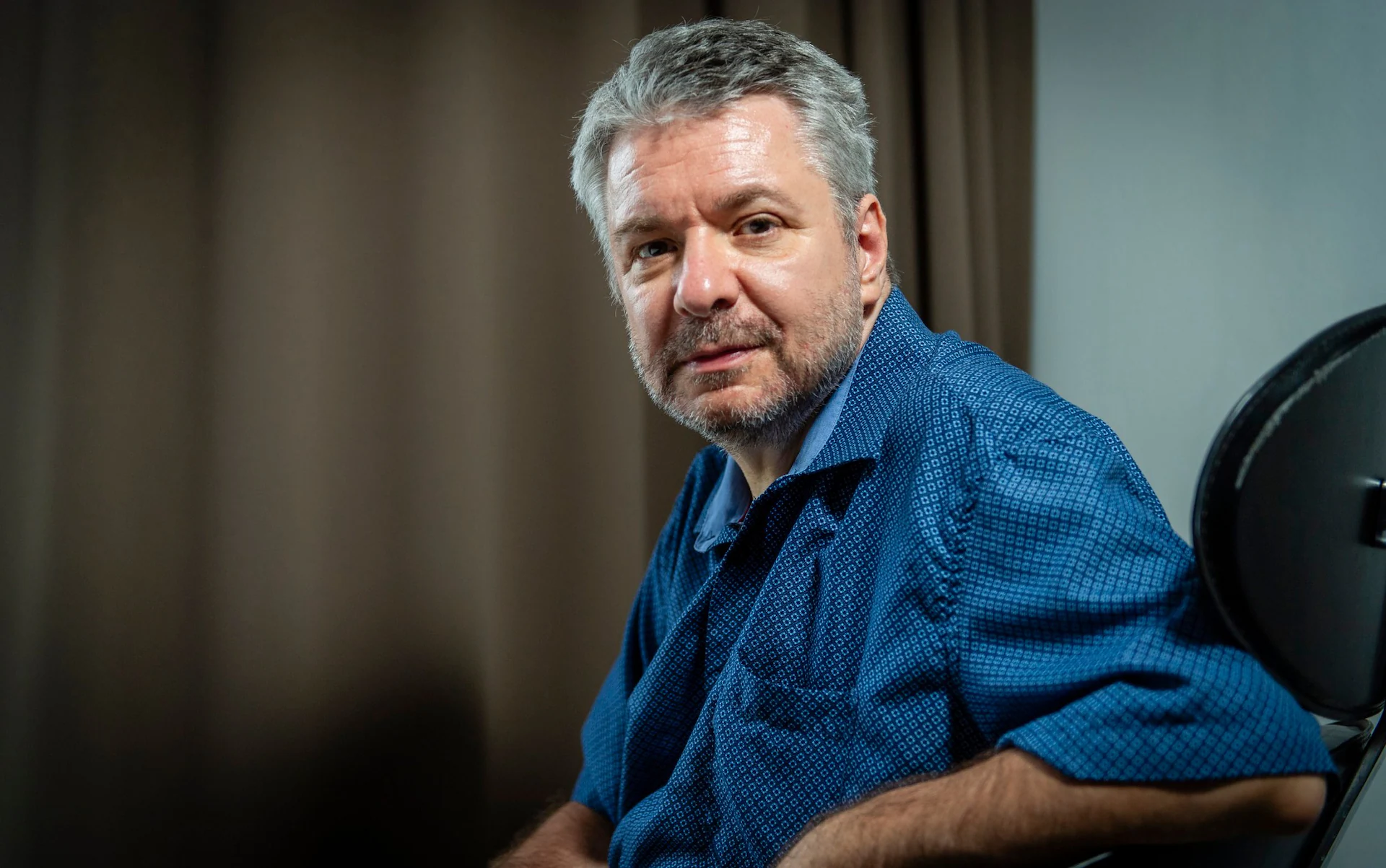
Dr. Ittai Gradel, the classical archaeologist and antiquities dealer whose research exposed the theft of hundreds of objects from the British Museum, has passed away at the age of 61.
Ittai had been a regular consultant and friend to TimeLine Auctions since early 2016, advising on translation, attribution, and the identification of forgeries across nearly a decade of work.
A scholar of Roman religion
Born in Haifa in 1965 to a British father and a Danish mother, Ittai was raised in Denmark from the age of two. He took an MA in Classical Archaeology from Aarhus University and was awarded the Aarhus Gold Medal in 1988. He completed his D.Phil. in Ancient History at Oxford in 1995.
His doctoral thesis, on the imperial cult in Rome and Italy, was later expanded into the monograph Emperor Worship and Roman Religion (Oxford University Press, 2002; second edition 2004). The book is now standard on Ancient History reading lists for the religious life of the Roman Empire.
He held a visiting fellowship at Brasenose College, Oxford, in 2004-5, and from 2005 to 2008 was Associate Professor in History and Archaeology of the Roman Empire at the University of Reading. He published widely on Roman religion, Roman epigraphy, and the archaeology of the Empire.
Leaving the university
Ittai left academic life in 2008 and moved to dealing full-time. He described himself as "temperamentally unsuited" to a research career, and named the constant pursuit of external funding as his principal cause of disillusionment. Asked by the BBC in his last weeks about his proudest achievement, he named his decision to leave the university rather than his work exposing the thefts from the British Museum. The years that followed, between 2013 and 2020, he later described as the happiest of his life.
He set up in Denmark as a specialist in engraved gems of the Graeco-Roman world, an area intensively collected in the 18th and 19th centuries but no longer well served by the academic mainstream. He retained working expertise in Graeco-Roman bronze and marble sculpture, in Latin and Greek epigraphy, and in medieval and later palaeography.
Work with TimeLine
 Credit: Matthew James Harrison
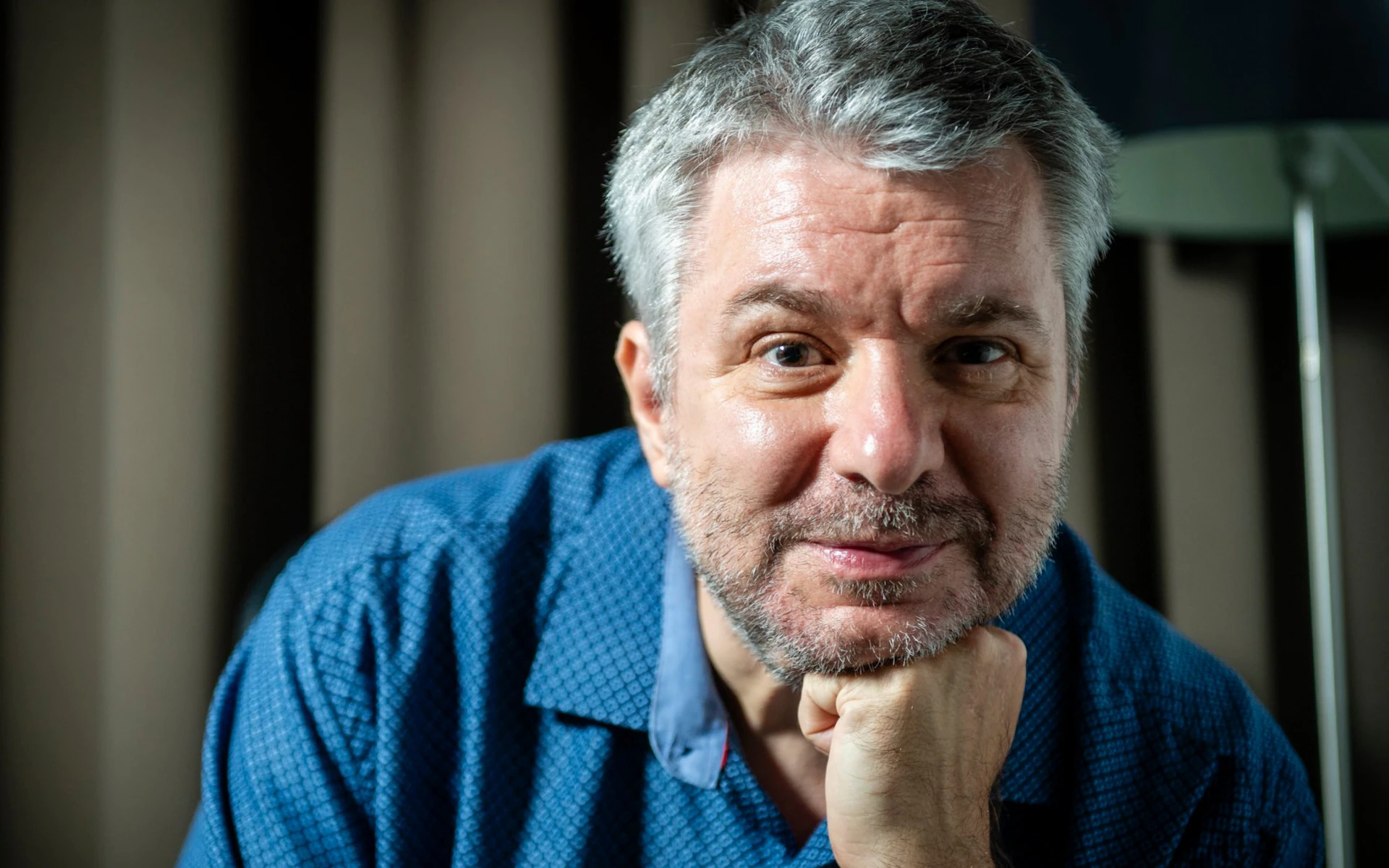
From early 2016 onwards, Ittai was a regular consultant to TimeLine Auctions. Over nearly ten years he provided translations of Latin and Greek inscriptions, readings of medieval and later manuscripts, and authentications across a wide span of objects. He read inscriptions for cataloguing, tested attributions, and was often the first call when a piece arrived that did not sit quite right.
In 2019, Ittai joined TimeLine's full vetting team, where his work on engraved gems and on Latin and Greek inscriptions was central. His command of Roman portrait conventions was unusual: he had committed to memory the hairstyles and head-dressings of the ancient world, and could date and place a portrait gem from those details with a precision few others matched. He was also a generous teacher, ready to spend time with anyone in the trade or on staff who wanted to learn more about classical gems.
Over the years his place at TimeLine deepened from working consultant to playing a key role in TimeLine's life. His death is felt at TimeLine not only as the loss of a rare specialist but as the loss of a friend, and he will be sadly missed.
The British Museum
Ittai's relationship with the British Museum was lifelong. He had first encountered it as an eighteen-year-old, after finishing school in Denmark and moving briefly to London. He supported himself with shifts at a fish and chip shop and on London Underground, and spent the rest of his time in Bloomsbury. He later told the BBC he had worked through the museum "department by department, display case by display case" over several months, looking at every object then on display.
That museum was the institution he found himself confronting nearly forty years later. In 2023 the British Museum announced that around 2,000 objects from its collection had been stolen, lost, or damaged. The museum confirmed that Ittai had alerted its leadership to suspected thefts in 2021, and that his concerns had been dismissed.
Working from his home on a Danish island, he had begun to notice engraved gems offered for sale on eBay, sometimes for as little as a few pounds, and recognised some from museum publications. He cross-referenced the listings against his own library, including a 1920s catalogue of the museum's gem holdings, and assembled a dossier of evidence which he sent to the museum; its then-deputy director replied five months later to say the claims were unfounded. When the scale of the losses was confirmed in 2023, a Metropolitan Police investigation followed, in which Ittai had given statements to detectives and was expected to appear as a key prosecution witness.
In the months before his death he was awarded the British Museum's medal, an honour the institution presents only rarely. Dr. Nicholas Cullinan, the museum's current director, wrote to him that the award recognised "your expertise and of your passionate determination that wrongs should be righted." Ittai had returned more than 360 items to the museum's collection.
A working life among the gems
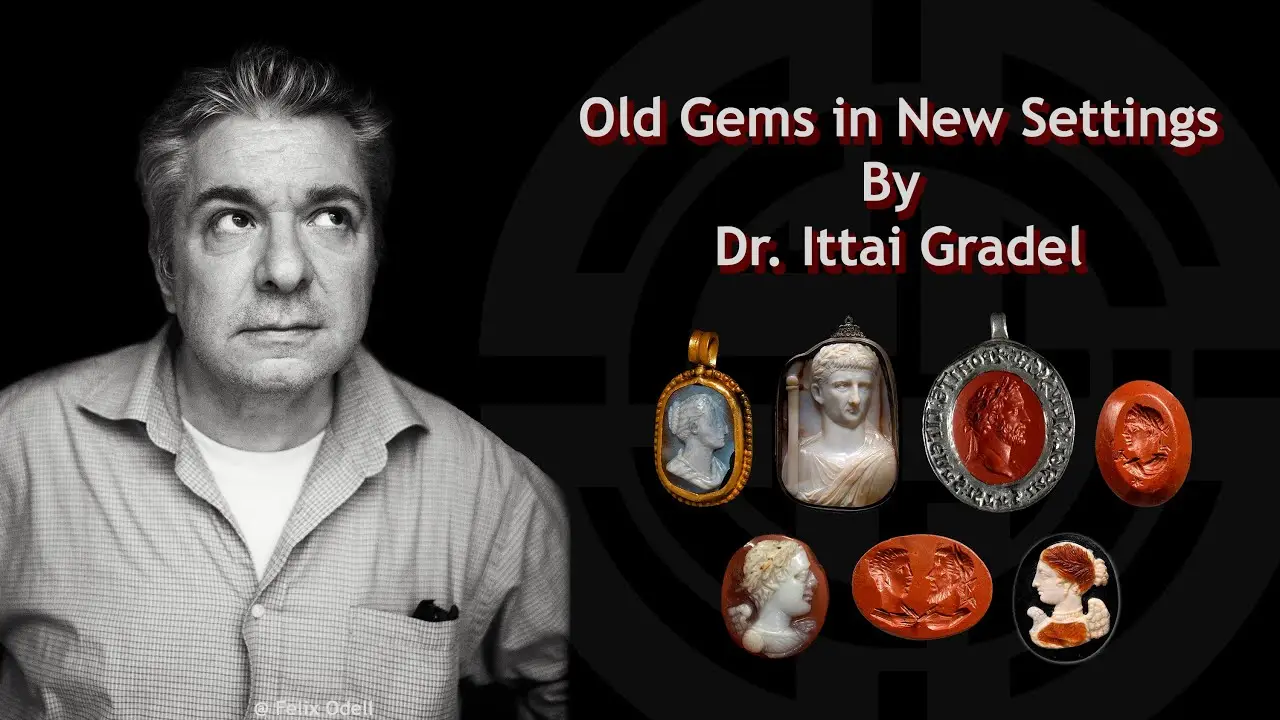 Dr Ittai Gradel - Old Gems in New Settings video with TimeLine Auctions
Those who worked with him knew an obsessive in the best sense. He read widely, kept an unusual private library, and possessed what colleagues often described as a near-photographic memory for objects. He once described the recovery of a story that had been lying forgotten for two thousand years as a "burst of pure joy." He had hoped to write a book on classical gems for a general readership, to set alongside his academic publications.
At TimeLine, where he had consulted for nearly a decade, his colleagues remember a specialist, a careful judge of objects, and a friend whose voice they will continue to listen for.