Home > Stories by TimeLine Auctions
Stories by TimeLine Auctions
A Short History: Ancient Rome
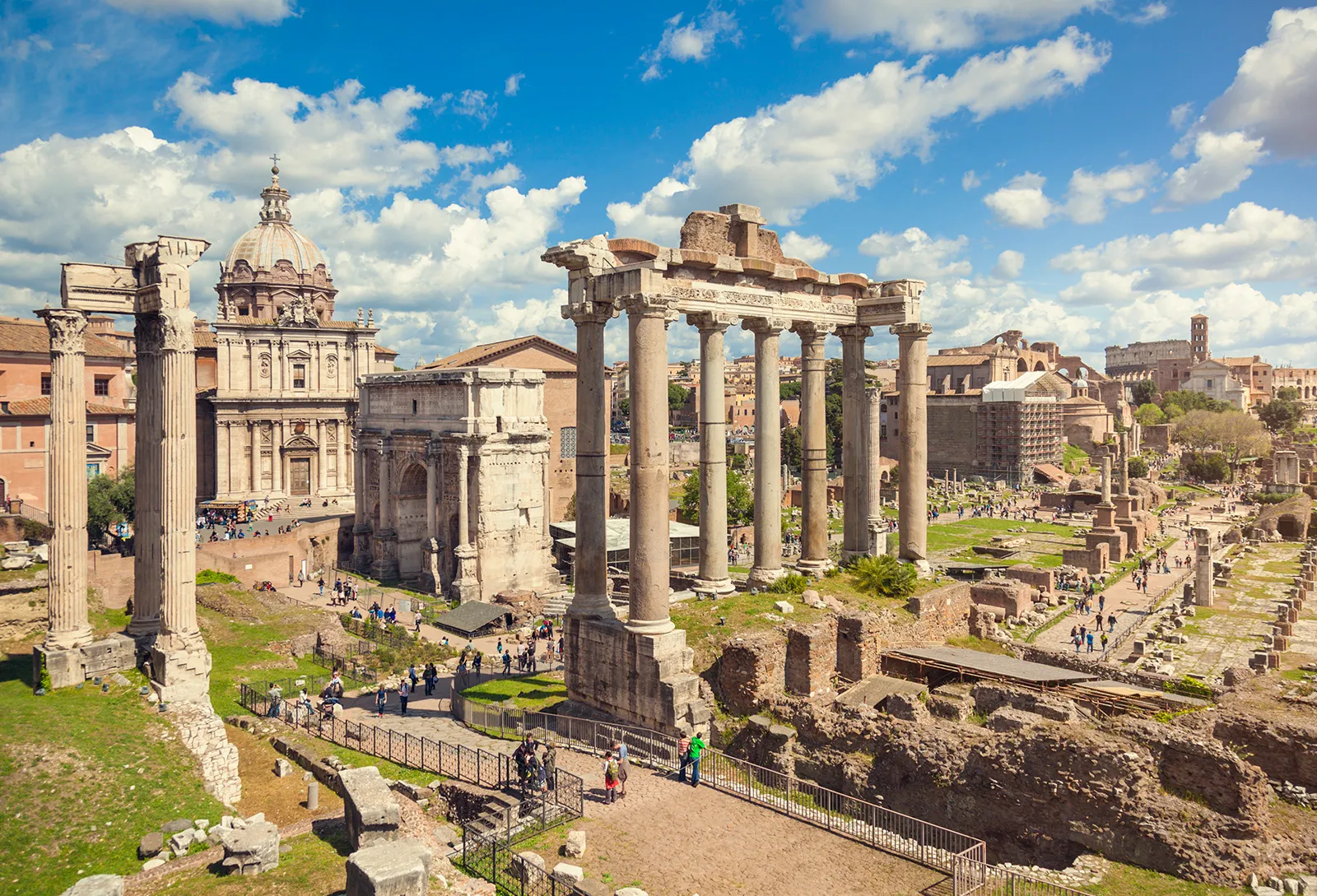
In the year 63 BC, the city of Rome was a powder keg. A bankrupt aristocrat named Lucius Sergius Catilina was plotting to burn the capital to the ground and cancel all debts, capitalizing on the misery of the poor and the frustration of the elite. Facing him in the Senate was Marcus Tullius Cicero, a "new man" from the country who had risen to the highest office of consul through the sheer power of his oratory. We can still read the blistering speeches Cicero delivered, words that pinned Catiline to the wall and eventually drove him out of the city to die on the battlefield. When we handle a silver denarius from this volatile period, we are touching the currency that paid the soldiers who fought these civil wars, and we are holding a physical piece of the political machinery that Cicero tried so desperately, and ultimately unsuccessfully, to save.
The story of Rome is not a straight line of inevitable conquest. It is a jagged narrative of improvisation, violence, genius, and an unparalleled ability to absorb outsiders. From a cluster of mud huts on a marshy riverbank to an empire that spanned three continents, the Romans created a political and cultural template that still underpins the Western world. To understand the objects that pass through our hands at TimeLine Auctions, from the humblest oil lamp to the finest marble bust, we must understand the people who made them. They were a people obsessed with status, terrified of their own gods, and capable of both extreme cruelty and extraordinary acts of citizenship.
Myth and Mud: The Origins
The Romans told themselves grand stories about their beginnings. They claimed descent from Aeneas, a refugee from the burning ruins of Troy who carried his father on his back to Italy. They spoke of Romulus and Remus, twins suckled by a she-wolf, whose rivalry ended in fratricide when Romulus killed his brother for jumping over a half-built wall. This story of a brother's murder was hard-wired into the Roman psyche, a grim premonition of the civil wars that would later tear the Republic apart.
Archaeology tells a quieter, muddier story. Digging down through the layers of the modern city reveals that in the eighth century BC, Rome was little more than a collection of wattle-and-daub huts perched on hills overlooking the Tiber. These early Romans were herders and farmers, living a precarious existence in a malarial region. Yet even the myths contain a kernel of hard historical truth about what made Rome different. Romulus, needing citizens for his new city, declared Rome an "asylum." He invited the rabble, the runaways, the criminals, and the dispossessed of Italy to join him. From its very inception, Rome was defined by its willingness to incorporate foreigners. Unlike the Greek city-states, which jealously guarded their citizenship, Rome grew by turning enemies into Romans.
This openness is visible in the material culture. Early Roman art and pottery show heavy influence from their powerful neighbours, the Etruscans to the north and the Greeks to the south. We see this cultural hybridity in the bronze mirrors and black-gloss pottery of the period, objects that blur the lines between Roman, Etruscan, and Greek.
The Republic and the Conflict of the Orders
By the fifth century BC, the kings who had originally ruled Rome had been expelled, replaced by a Republic (res publica, or "public affair"). Power was placed in the hands of two annual consuls and a Senate of aristocrats. But the early Republic was defined by a long, bitter struggle known as the Conflict of the Orders. The great mass of ordinary citizens, the plebeians, fought for political rights against the hereditary elite, the patricians.
They did not fight with swords, but with strikes. The plebeians would simply walk out of the city, leaving the aristocrats with no one to bake their bread or fight their wars. Over two centuries, this pressure forced the creation of a new political reality. The plebeians won the right to their own officials, the tribunes, and eventually access to the highest offices of state. They famously demanded that the laws be written down, rather than kept as secrets in the minds of the priests. The result was the Twelve Tables, a harsh set of bronze-inscribed regulations that governed everything from debt bondage to magic.
We often see this legalistic mind-set in the artifacts of the Republic. Bronze tablets inscribed with laws, treaties, and decrees are among the most evocative survivals of Roman authority. They represent the state speaking directly to its citizens. When we catalogue such inscriptions, we are reading the actual words that governed daily life, disputes, and religious rituals.
The Conflict of the Orders ended not in democracy, but in a new kind of oligarchy where rich plebeians joined the patricians to form a unified governing class. This new elite was hungry for glory. A tomb discovered on the Appian Way belonging to the Scipio family gives us a glimpse of their values. The sarcophagus of Scipio Barbatus, who died around 280 BC, is inscribed with a text that boasts of his beauty, his bravery, and his military victories in the south of Italy. For the Roman aristocrat, virtue was not a private matter. It was a public performance of excellence, demonstrated through winning elections and winning wars.
The Engine of Expansion
By the third century BC, Rome had conquered Italy and was looking overseas. The engine of this expansion was a unique system of alliances. When Rome defeated an enemy, it did not usually tax them. Instead, it demanded manpower. Defeated Italian communities became "allies," required to supply troops for Rome's next war. This created a momentum that was almost impossible to stop. To get the rewards of victory, the Romans had to keep fighting.
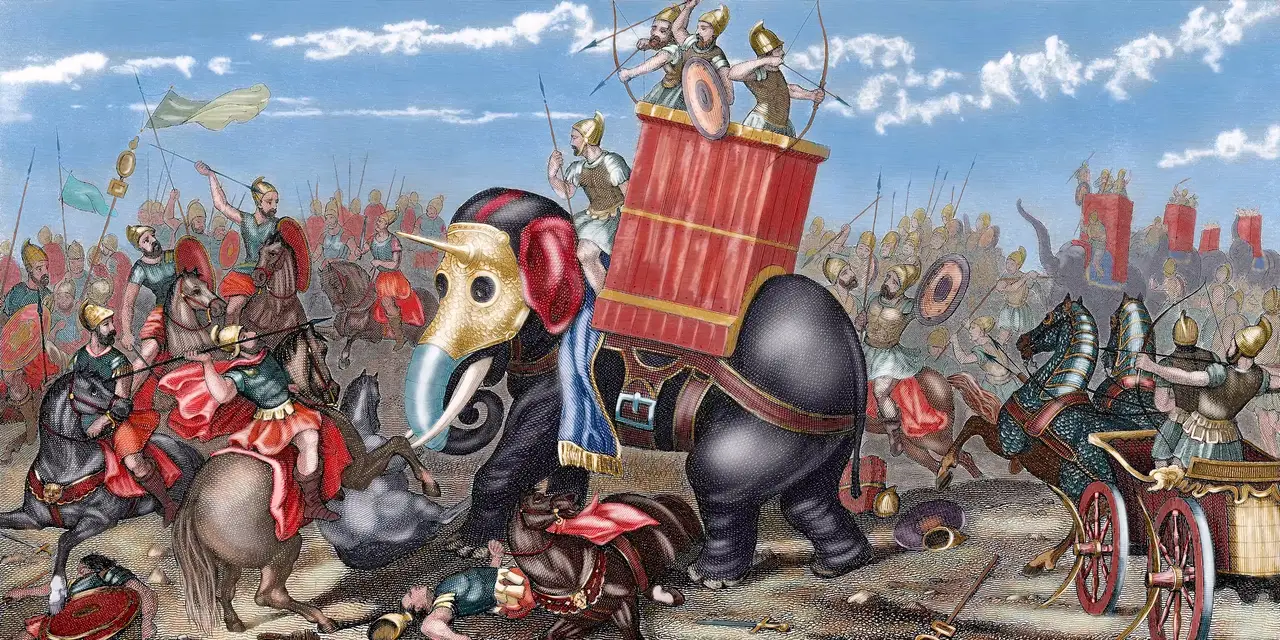
This drive brought them into collision with Carthage, the great naval power of the western Mediterranean. The three Punic Wars were a struggle for survival. In the second war, the Carthaginian general Hannibal crossed the Alps and inflicted devastating defeats on the Roman legions. At the Battle of Cannae in 216 BC, as many as 70,000 Romans were killed in a single afternoon. It was a slaughter on the scale of the first day of the Somme. Yet Rome refused to surrender. They drew on their vast reserves of Italian manpower and eventually ground Hannibal down.
The defeat of Carthage and the subsequent conquest of Greece in the second century BC flooded Rome with wealth and slaves. It also brought a cultural revolution. Roman generals returned from the East with cartloads of Greek statues, paintings, and precious metals. The austere city of brick began to fill with marble. We see this influx in the art market of the time. Roman collectors developed a voracious appetite for Greek antiquities, and when the supply of originals ran out, they commissioned copies. Many of the "Roman" statues we see in museums today are actually high-quality Roman versions of Greek masterpieces, produced to satisfy the demands of a new superpower that wanted to display its sophistication.
This period also saw the rise of the equites, or knights, a class of wealthy businessmen and tax collectors who profited immensely from the empire. They bid on contracts to collect taxes in the provinces, often squeezing the locals dry. We occasionally see the physical evidence of this commercial explosion in the form of lead seals and stamps used to mark merchandise, or in the amphorae that transported wine and oil across the Mediterranean.
The Collapse of Liberty
The influx of wealth and slaves destabilised the Republic. The rich bought up vast tracts of land, working them with slave labour and driving free peasant farmers into the city. Rome became a metropolis of a million people, a teeming, dangerous, and unequal city where the rich lived in marble mansions on the Palatine Hill and the poor crammed into rickety apartment blocks that frequently collapsed or caught fire.
Attempts at land reform by the Gracchus brothers in the late second century BC ended in violence. Tiberius Gracchus was bludgeoned to death by a mob of senators who accused him of wanting to be king. It was the first time political disputes in the Republic had been settled with clubs rather than votes, and it set a deadly precedent.
The final century of the Republic was dominated by warlords who commanded the loyalty of their soldiers more than the state did. Men like Marius, Sulla, and Pompey raised private armies and marched on Rome. Sulla was particularly ruthless, posting lists of his political enemies in the Forum and offering rewards for their severed heads. This was the "proscription," a terrifying purge that left the Roman elite decimated.
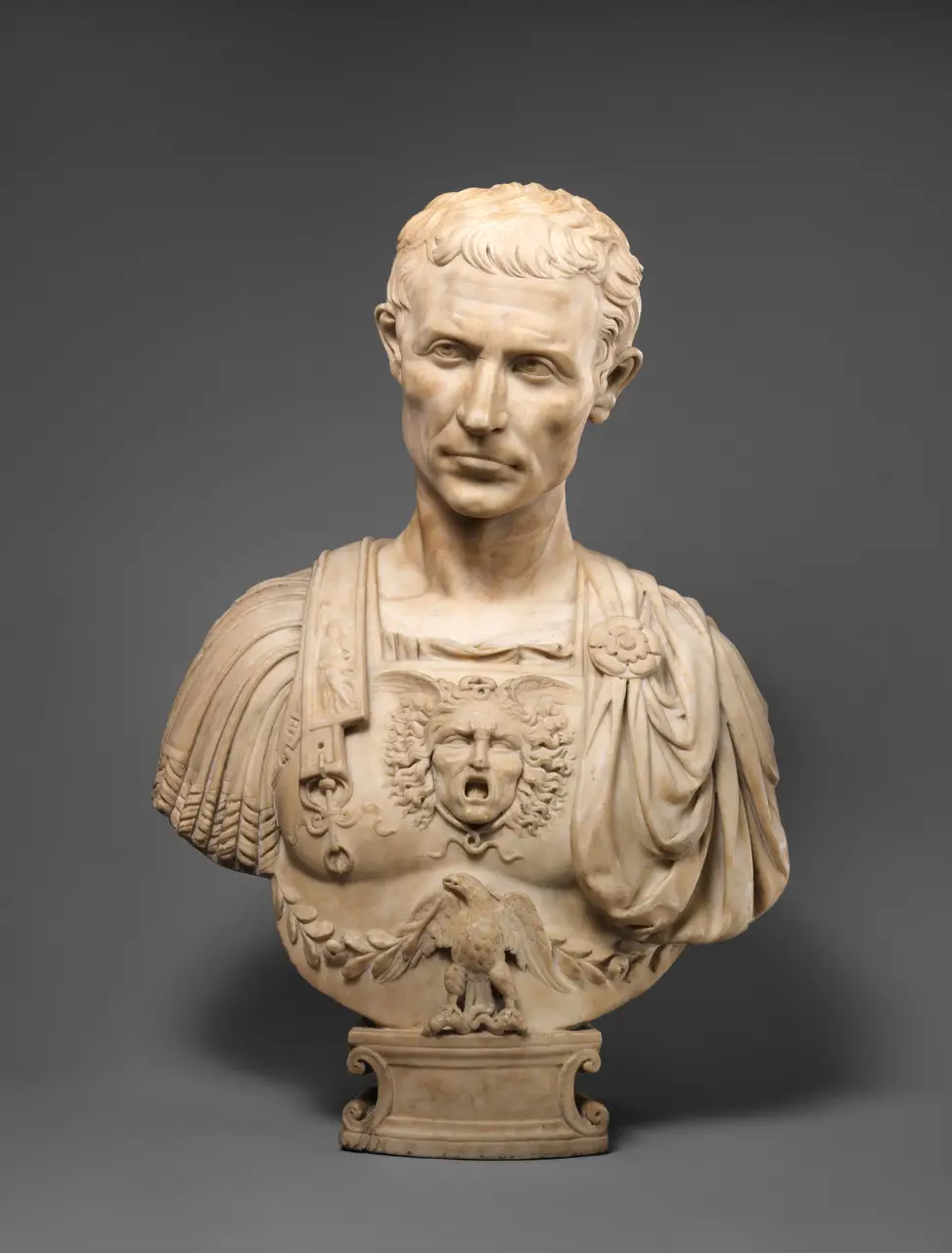
Into this chaos stepped Julius Caesar. A brilliant general and a canny politician, Caesar conquered Gaul (modern France) in a brutal campaign that he chronicled himself in his Commentaries. When the Senate ordered him to lay down his command, he refused. He crossed the Rubicon River in 49 BC, sparking a civil war that would end the Republic forever.
Caesar defeated his rival Pompey and had himself declared Dictator Perpetuo, dictator for life. He issued coins bearing his own living portrait, a shocking break with tradition that signalled his monarchical ambitions.
His assassination on the Ides of March, 44 BC, was intended to restore liberty. Instead, it plunged the Roman world into another round of civil war. Out of the bloodbath emerged Caesar's great-nephew and adopted son, Octavian.
The Augustan Revolution
Octavian was a ruthless young warlord who rebranded himself as the father of his country. After defeating Mark Antony and Cleopatra at the Battle of Actium in 31 BC, he stood as the sole master of the Roman world. But he learned from Caesar's mistake. He did not call himself dictator. He took the name Augustus ("the revered one") and claimed to have restored the Republic.
In reality, Augustus established a monarchy that would last for centuries. He controlled the army, the finances, and the laws, but he did so through traditional forms. He held the powers of a tribune and a consul without needing to hold the offices themselves. He was a master of image management. We see this in the proliferation of his portraits. From Spain to Syria, statues of Augustus depicted him as a perpetually youthful, god-like figure. These images were not realistic portraits; they were masks of power, designed to project stability and divine favour.
Augustus boasted that he found Rome a city of brick and left it a city of marble. He initiated a massive building programme, repairing temples and constructing a new Forum. This was not just vanity. It was a way of putting the unemployed population of Rome to work and giving the empire a capital worthy of its power. We can see the legacy of this building boom in the fragments of marble revetment, the architectural elements, and the stamped bricks that appear in the antiquities market. These are the physical remnants of the Augustan transformation.
The Emperors: Men on the Throne
The system Augustus created, the Principate, survived him, though his successors varied wildly in quality. The first dynasty, the Julio-Claudians, included the gloomy Tiberius, the erratic Gaius (Caligula), the scholarly Claudius, and the theatrical Nero.
Ancient historians like Suetonius and Tacitus delighted in recording the vices of these men. We read of Caligula planning to make his horse a consul, or Nero fiddling while Rome burned. While some of these stories are exaggerated—Caligula’s "horse consul" was likely a sarcastic joke that backfired—they reflect a deep anxiety about the erratic nature of autocratic power. When the emperor is the law, his whims become nightmares for those around him.
Yet for most people in the empire, the personality of the emperor mattered less than the stability of the system. The administration of the empire became increasingly professional. A vast bureaucracy, staffed largely by imperial slaves and freedmen, managed the taxes, the grain supply, and the legal system. We see traces of this bureaucracy in the lead seals and official stamps that kept the machinery of empire running.
The Flavians (Vespasian, Titus, Domitian) succeeded the Julio-Claudians, followed by the "Five Good Emperors" of the second century AD: Nerva, Trajan, Hadrian, Antoninus Pius, and Marcus Aurelius. This period, particularly under Trajan and Hadrian, marks the height of the empire's territorial reach and material prosperity. Trajan conquered Dacia (modern Romania), bringing back hoards of gold that funded the construction of his magnificent Forum and Market. Hadrian toured the provinces, obsessively building and rebuilding, leaving his mark from the Wall in northern Britain to the Pantheon in Rome.
Collecting coins from this period allows us to see the changing face of power. We see the soldierly jaw of Trajan, the philosopher’s beard of Marcus Aurelius, and the elaborate hairstyles of the imperial women, which set fashion trends across the empire. These coins were the newspapers of the day, announcing victories, distributing handouts, and introducing heirs.
Life in the Empire: The Haves and Have-Nots
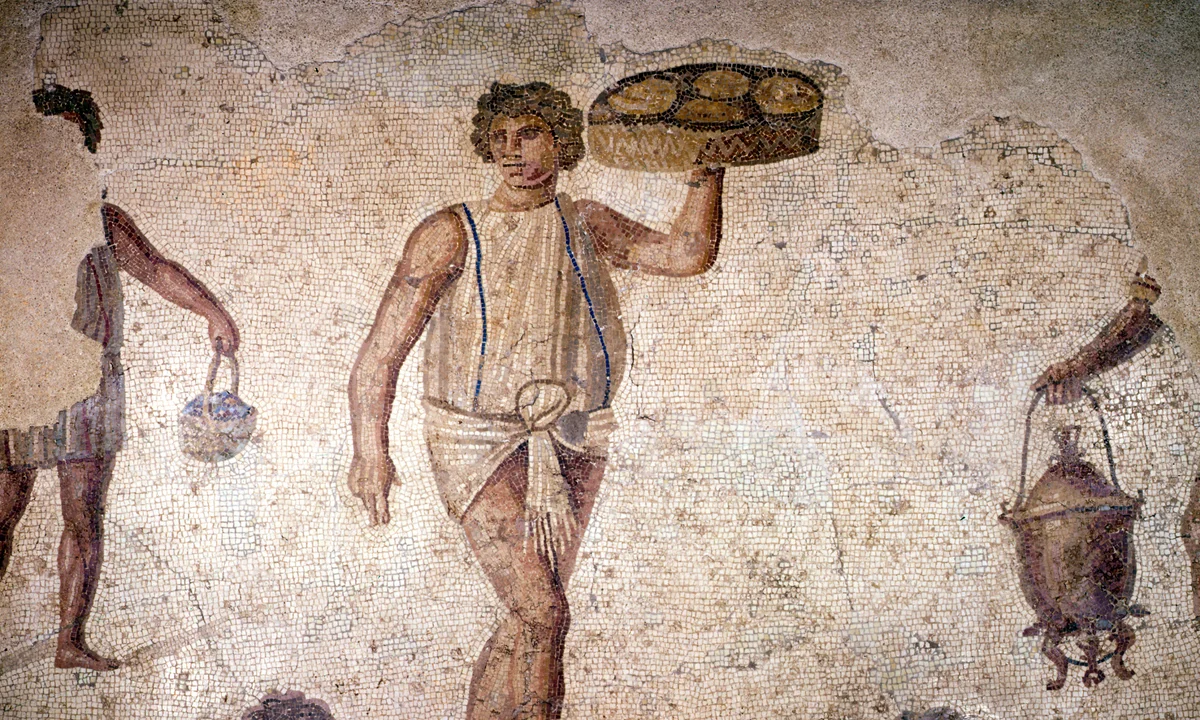
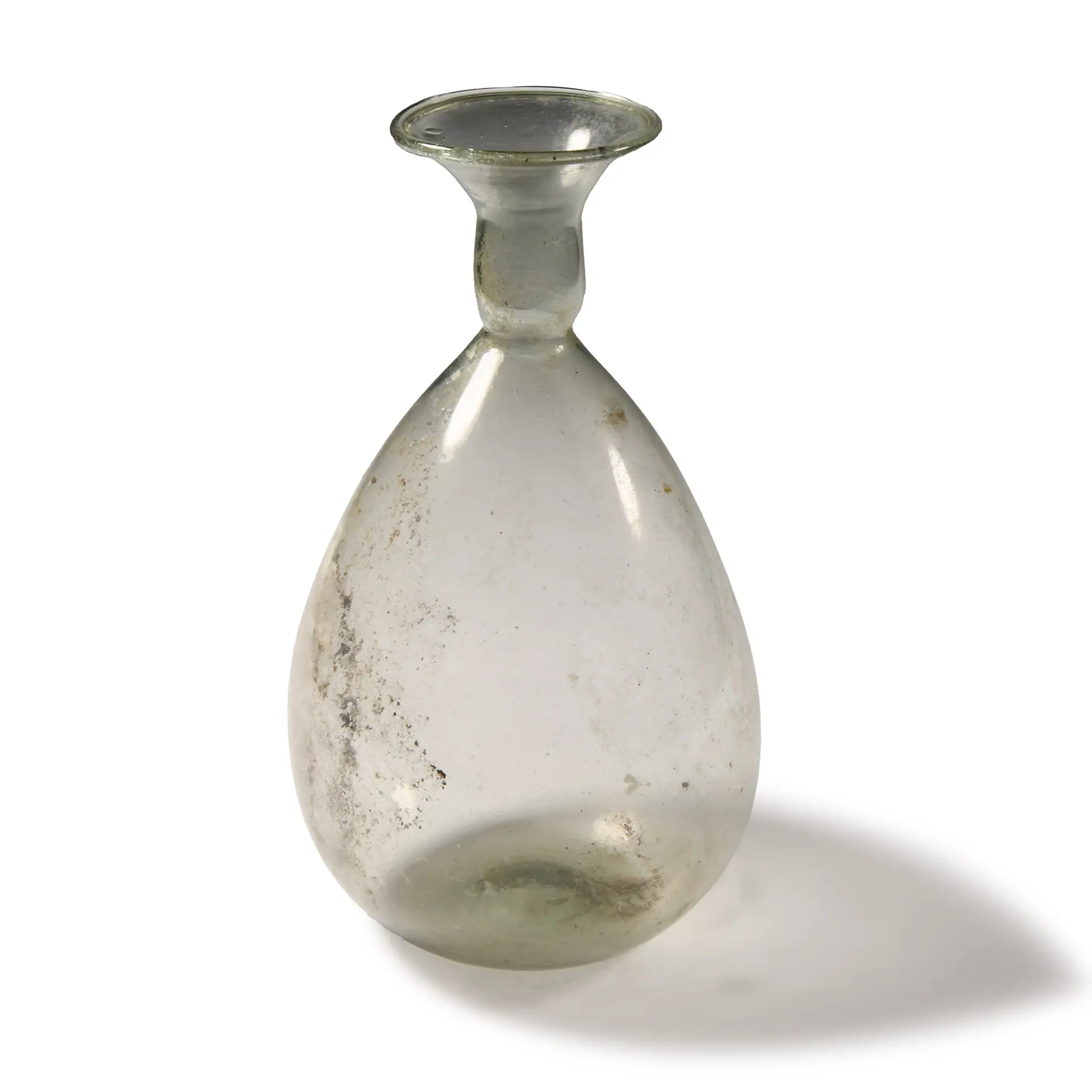
The Roman world was a place of stark inequality. The rich lived in sprawling villas with underfloor heating, mosaic floors, and private baths. They dined on exotic foods imported from the corners of the known world—oysters from Britain, spices from India, wine from Greece. We often handle the physical evidence of this luxury: delicate glass vessels, intricate gold jewellery, and finely carved gemstones used as signet rings.
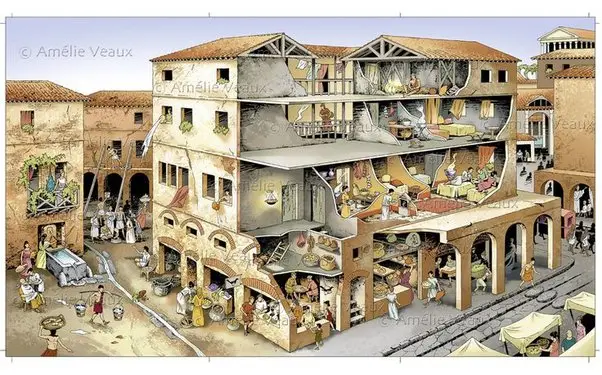
For the poor, life was a struggle. In Rome, the vast majority lived in insulae, rickety apartment blocks that rose six or seven stories high. The lower floors were respectable, but the upper floors were cramped, dark, and prone to fire. With no kitchens, the poor ate out at the hundreds of bars (popinae) that lined the streets. We can imagine these places as bustling, noisy, and smelling of cheap wine and fish sauce. Gaming counters and dice found in excavations testify to the popularity of gambling, a favourite pastime for Romans of all classes, despite the moralists' disapproval.
Slavery was ubiquitous. Slaves worked in the fields, in the mines, in households, and in the imperial administration. They were property, with no rights, yet the line between slave and free was permeable. Rome was unique in the ancient world for the frequency with which it freed its slaves. A freed slave (libertus) became a citizen, albeit with some restrictions, and their children were full citizens. The tomb of the baker Eurysaces in Rome is a monument to this social mobility—a former slave who made a fortune contracting bread for the army and built a tomb in the shape of a giant oven.
The Army and the Frontiers
The security of this vast empire rested on the legions. The Roman army was a professional force, its soldiers serving for twenty-five years in return for a pension or a plot of land. They were engineers as much as warriors, building roads, bridges, and forts that transformed the landscape of Europe, North Africa, and the Near East.
In the provinces, the army was the primary engine of "Romanisation." Soldiers brought with them Roman law, Latin, and Roman habits of bathing and dining. Around the forts, settlements (vici) grew up where merchants and locals mingled. The Vindolanda tablets, thin slivers of wood found near Hadrian's Wall, give us an intimate look at this frontier life. We read of soldiers asking for more beer, complaining about the roads, and even receiving invitations to birthday parties.
Military artifacts are a staple of the collector's world because they were produced in huge numbers and were often lost or buried. Bronze belt fittings, spearheads, and the iron hobnails from legionary sandals connect us directly to the men who patrolled the edges of the empire, staring out into the "barbarian" dark.
A World of Gods
Religion in Rome was not a matter of faith, but of ritual. It was a contract: the Romans performed the sacrifices and festivals correctly, and in return, the gods protected the state. The pantheon was vast and flexible. As Rome conquered new peoples, it absorbed their gods. The Egyptian goddess Isis, the Persian god Mithras, and the Phrygian Great Mother all found homes in Rome alongside Jupiter, Mars, and Venus.
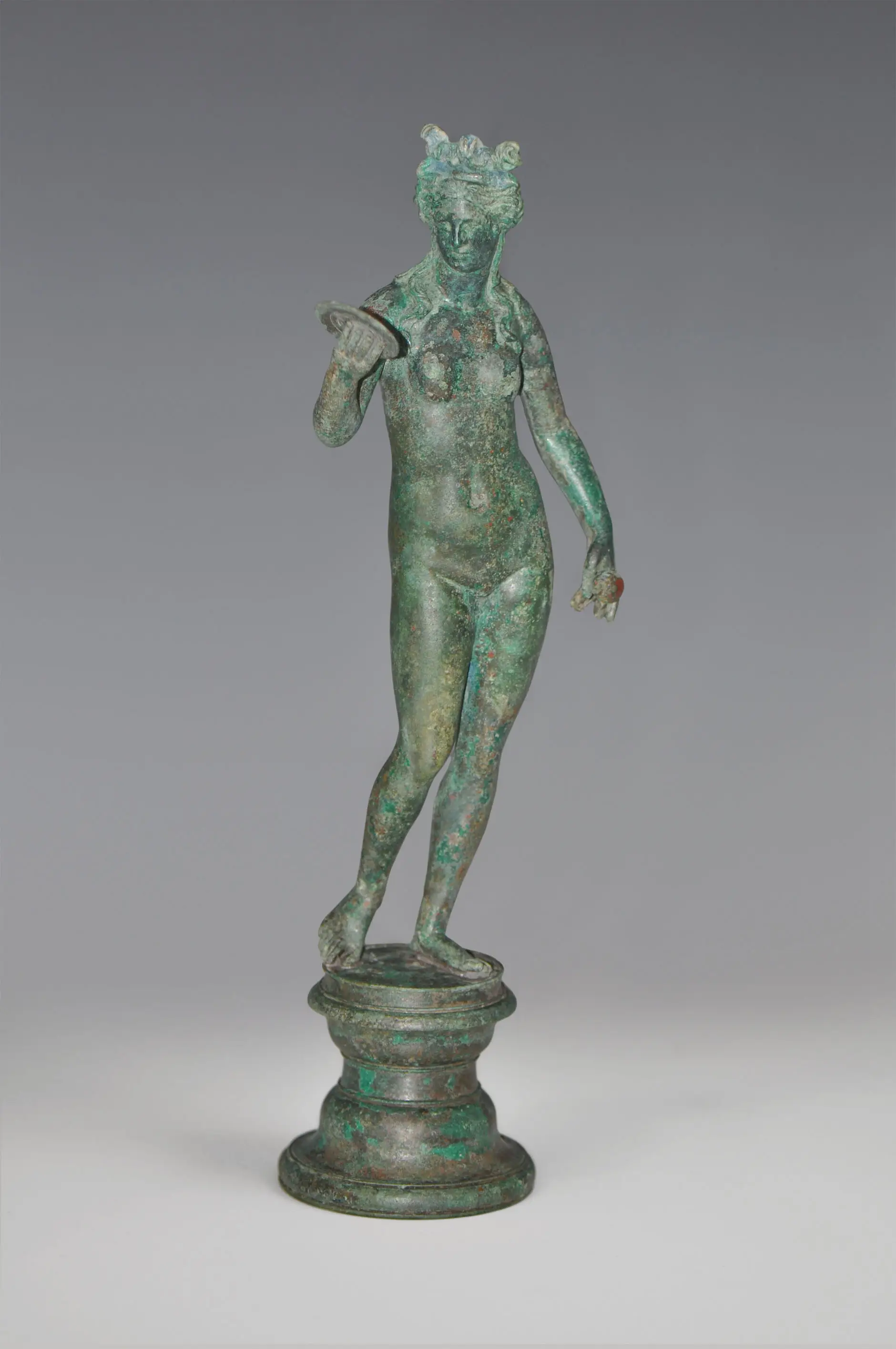
Small bronze votive statuettes were common in households, placed in shrines (lararia) to protect the family. These figures, worn smooth by touch, represent the private face of Roman religion, distinct from the grand public sacrifices.
Christianity began as a small, troublesome sect within this crowded religious marketplace. For two centuries, it was viewed with suspicion, occasionally persecuted for its refusal to honour the emperor and the traditional gods. The Romans called the Christians "atheists" because they denied the existence of the pagan pantheon. Yet, the network of Roman roads and the shared Greek and Latin languages allowed this new faith to spread with remarkable speed.
The Transformation
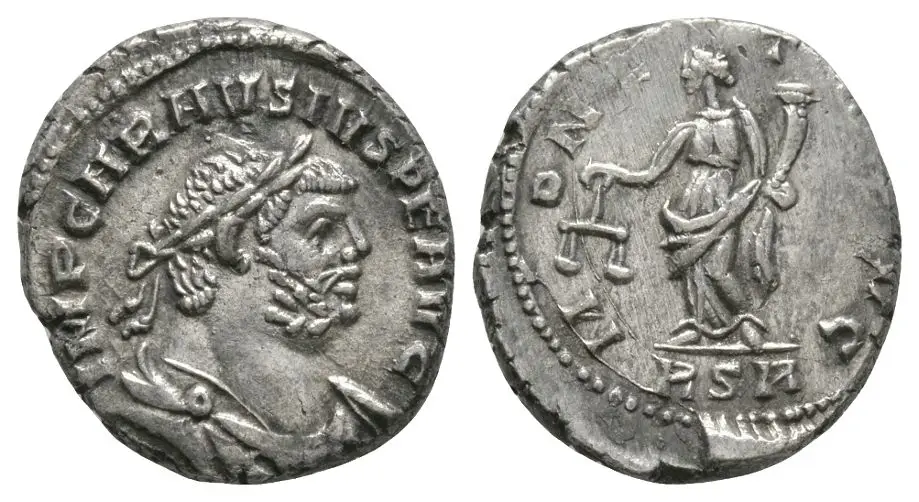
The "decline and fall" of Rome is a story often told, but it is perhaps better to think of it as a transformation. In the third century AD, the empire faced a crisis of invasions, civil wars, and economic collapse. The Augustan system, which relied on the emperor being in Rome, broke down. Emperors were now soldier-generals who spent their lives on the frontiers, fighting off Goths and Persians.
In 212 AD, the emperor Caracalla issued a decree that granted Roman citizenship to almost every free inhabitant of the empire. It was the culmination of the process Romulus had started a thousand years earlier. To be Roman was no longer a matter of living in Italy; it was a legal status shared by millions from Scotland to Syria.
By the time the emperor Constantine converted to Christianity in the fourth century and moved the capital to the new city of Constantinople, the Roman world had changed fundamentally. It had become a Christian, bureaucratic state that looked very different from the city of Cicero or Augustus.
Holding History
The history of Rome is not just preserved in books. It survives in the physical debris of daily life. A coin struck by Brutus celebrating the "Freedom" of the Ides of March puts us in the room with the assassins. A heavy gold ring worn by a senator connects us to the corridors of imperial power. A simple terracotta oil lamp, stamped with a maker's mark, links us to the dark, bustling streets of the Subura.
When we study these objects in the cataloguing room, we are not just looking at art; we are looking at the tools of life. We see the thumbprint of the potter, the wear on the handle, the scratch on the silver. These imperfections are the signature of the past. They remind us that the Romans were not marble statues, but living, breathing people who argued, loved, fought, and died.
This tangible connection is what makes collecting Roman antiquities so compelling. It is an opportunity to be a custodian of a fragment of a civilization that shaped the world we live in today. Whether it is a piece of military hardware or a domestic idol, each object carries the weight of the Senate and People of Rome.
Browse the Roman category in our current catalogue to find your own connection to this extraordinary history.
TimeLine Auctions, 15th April 2026