Home > Stories by TimeLine Auctions
Stories by TimeLine Auctions
Did Gilgamesh Get Depressed?
The History of Feelings in Egypt and Mesopotamia
Gilgamesh tore at his hair and roamed the wilderness. He had watched his closest companion, Enkidu, waste away over twelve terrible days, and now the king of Uruk could not stop weeping. He refused to let anyone bury the body. "My friend whom I love has turned to clay," he wailed. "Shall I not also lie down like him, never to rise again?" This is grief in cuneiform, pressed into clay tablets over four thousand years ago, and when we read it today, it feels startlingly familiar.
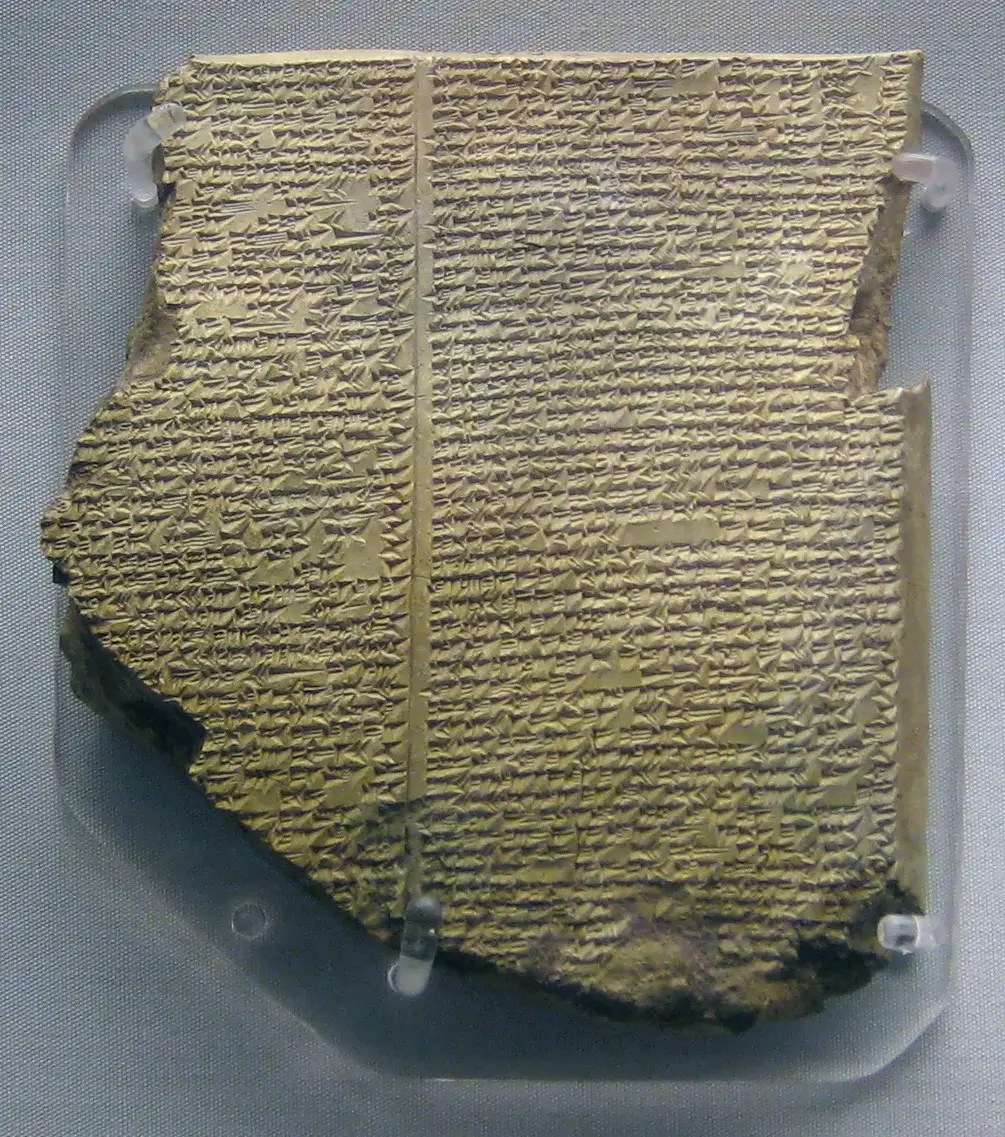
For decades, scholars treated ancient emotional expression as mere literary convention, dismissing the "pessimistic literature" of Egypt or the lamentations of Mesopotamia as rhetorical exercises rather than genuine windows into human psychology. That view has shifted dramatically in recent years. A growing body of scholarship, including the comprehensive volume The Expression of Emotions in Ancient Egypt and Mesopotamia edited by Shih-Wei Hsu and Jaume Llop Raduà, demonstrates that ancient peoples not only experienced complex emotional states but developed sophisticated vocabularies to describe them, rituals to manage them, and philosophical frameworks to understand them.
"I Wish I Could Die": When the Heart Goes Ill
In the catalogue room of a major museum, when we hold a fragment of papyrus dating to the First Intermediate Period (roughly 2181 to 2055 BCE), we are holding something that might well be called an ancient medical case study in depression. The hieratic script describes a man whose "heart is sad" and who sees no "happy occasion" anywhere. His servants, his cattle, even the creator god Khnum are described as mourning, weeping, exhausted. The text belongs to a genre scholars call "pessimistic literature," and reading it is like reading the clinical criteria for major depressive disorder.
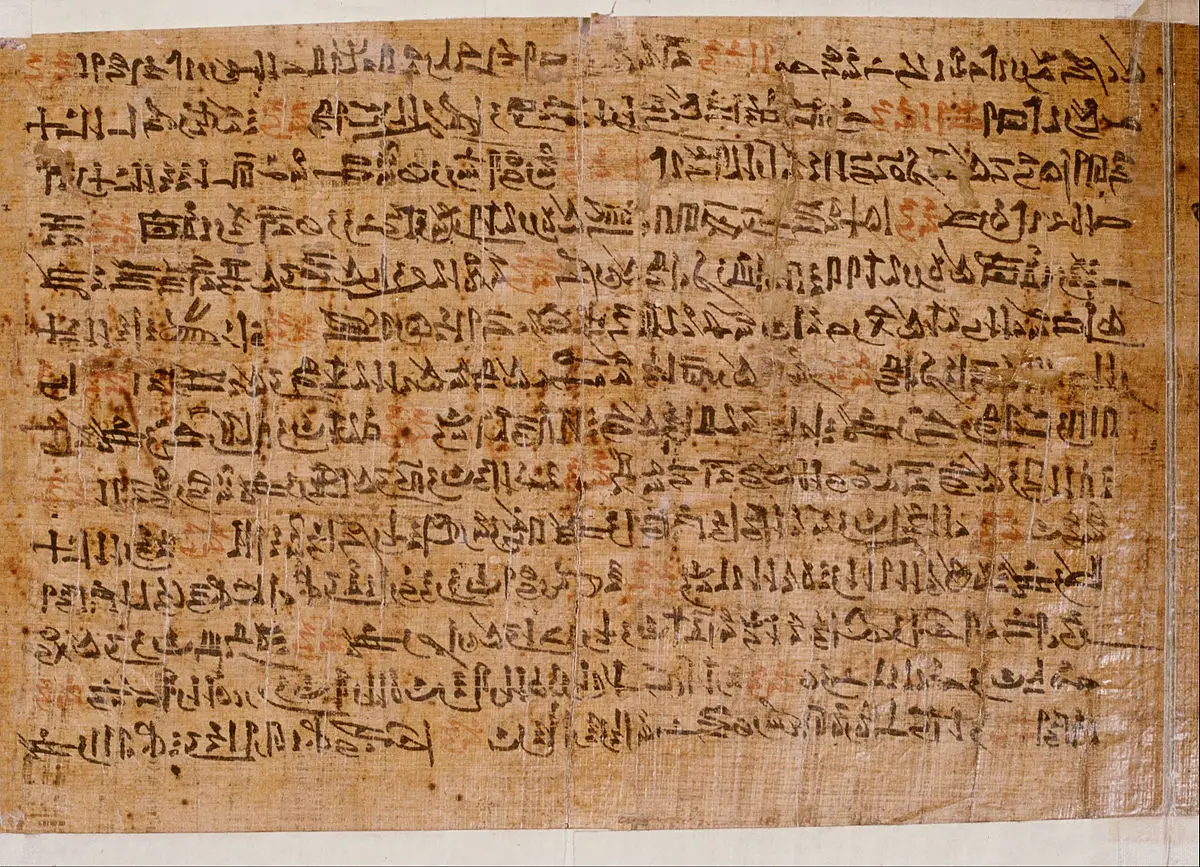
Ancient Egyptian possessed a rich lexicon for emotional suffering. The words snm (to be sad) and jškb (mourning) appear repeatedly in the Leiden Papyrus (known as the "Admonitions of Ipuwer"), alongside descriptions of tears, wailing, and anguish. The symptoms described are strikingly specific: prolonged sadness that does not disappear, interference with daily life, loss of trust in others, feelings of worthlessness, and, most pointedly, suicidal ideation. In the "Debate between a Man and his Ba" (his soul or life-force), preserved on Papyrus Berlin 3024, the protagonist asks repeatedly: "To whom can I speak today?" He cannot trust his brothers. Friends have become strangers. Evil has spread across the land. The refrain is relentless: "To whom can I speak today?"
What caused such despair? The pessimistic texts of Egypt emerged from specific historical trauma. The end of the Old Kingdom brought a collapse of central authority, crop failures from low Nile floods, widespread famine, and a complete inversion of social hierarchies. "The rich are in lamentation, the poor are in joy," records one papyrus. "The robber is an owner of wealth." Servants wore jewels meant for noblewomen. Children of officials were cast into the streets. Blood filled the river. These were not abstractions but lived experiences, and the emotional vocabulary that emerged to describe them was genuine, clinical, and remarkably modern.
The Storm of Gilgamesh's Heart
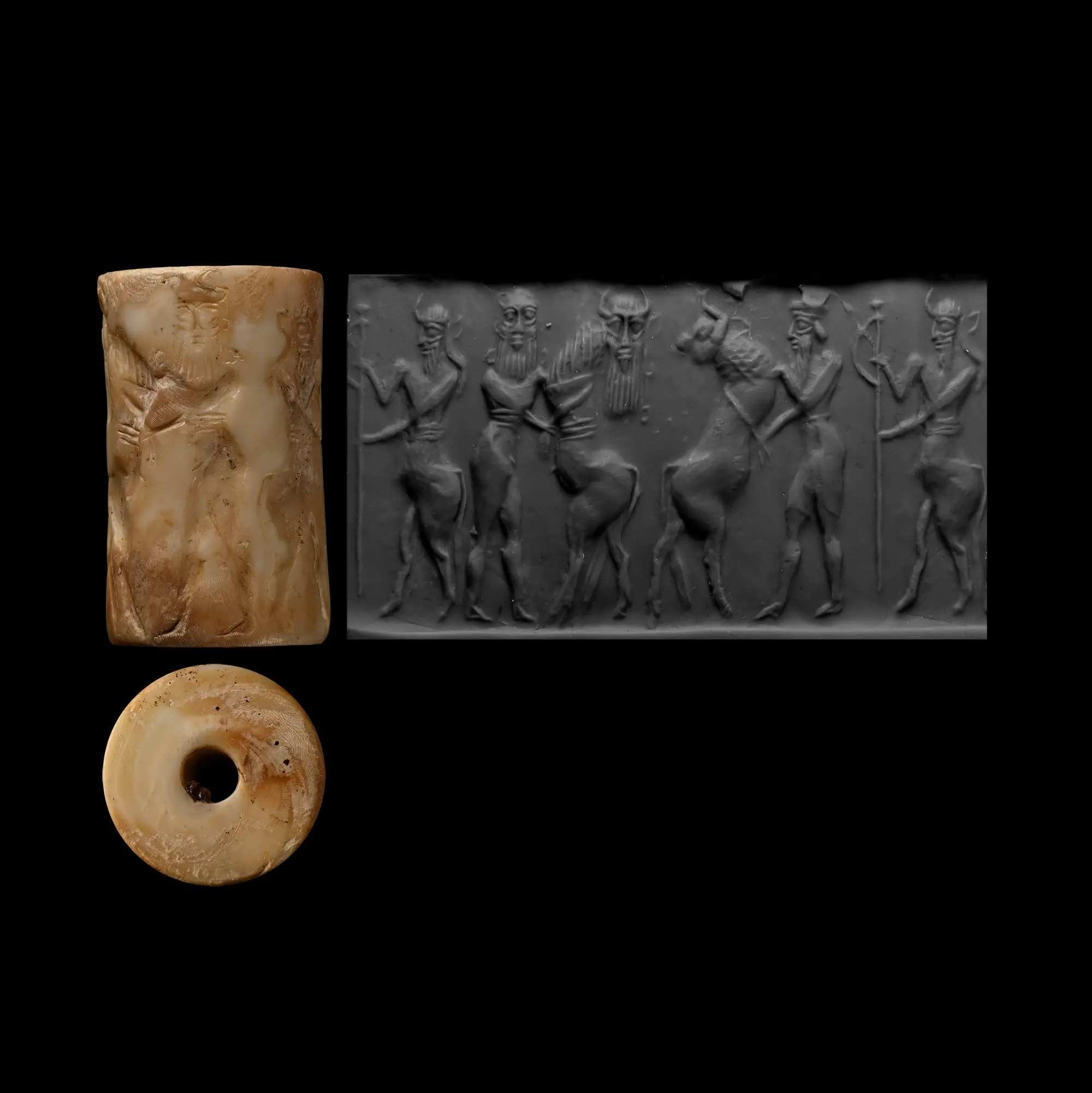
If Egyptian literature preserves what we might call depressive states, Mesopotamian literature gives us something equally recognizable: the catastrophic effects of uncontrolled emotion. The Standard Babylonian Epic of Gilgamesh, arguably the greatest literary achievement of the ancient Near East, is a sustained meditation on what happens when powerful feelings operate without the intervention of reason.
The epic's structure, as scholar Karen Sonik has argued, turns on a distinction between characters who take counsel (mitluku) and those who act on raw impulse. In the first camp stand Enkidu (after his transformation from wild man to civilized being), the tavern-keeper Shiduri, and the immortal Uta-napishti, all of whom pause, reflect, and advise. In the second camp stand Gilgamesh himself, the furious goddess Ishtar, and the great god Enlil, each responsible for a different form of devastation. Ishtar, rejected by Gilgamesh and burning with rage, threatens to "release the dead to consume the living" unless her father gives her the Bull of Heaven to unleash on Uruk. Enlil, having drowned the world in a flood, reacts with libbātu (deep anger) when he discovers human survivors.
Gilgamesh's emotional transformation provides the epic's arc. As a young king, he is all appetite and energy, exhausting his people with his enormous drives. After Enkidu's death, he becomes a man consumed by grief and existential terror, tearing at his body, abandoning his duties, wandering the edges of the world. The Akkadian vocabulary for his state is precise: nazāqu (to worry, to grieve, to be anguished) and niziqtu (grief, distress, rage). Importantly, these words blend what modern English separates: they encompass sadness, worry, irritation, and rage all at once. They describe a state of profound unsoundness, a departure from well-being that manifests both psychologically and physically.
Pounding Hearts and Burning Livers: The Body as Container
Both Egyptian and Mesopotamian cultures understood emotions as embodied experiences, located in specific organs. The heart (jb or ḥꜣtj in Egyptian, libbu in Akkadian) was the psycho-emotional centre, the seat of thought, feeling, and moral judgment. When emotions overwhelmed a person, they were understood to fill this internal container, sometimes to the point of overflow.
The conceptual metaphor scholars identify as EMOTION IS A FLUID IN A CONTAINER appears repeatedly across both cultures. One can be "filled with fear" or "overflowing with anger." The heart can be "weighed down" by sadness or "lightened" by joy. In medical texts from Mesopotamia, the "flesh" (šīru) is described as experiencing emotions, and treatments prescribe not only physical remedies but also ritual actions to restore emotional balance. When a person's heart "ponders foolishness" and their "self is beset by fear," as one anti-witchcraft ritual text describes, the appropriate response involves both verbal incantation and material intervention.
This somatic understanding of emotion had profound implications for how ancient peoples thought about mental distress. Depression was not merely a mood; it was a condition of the heart-organ. Grief literally resided in the body. And treatment, whether through the "pessimistic" literature that allowed sufferers to articulate their pain or through the elaborate rituals of Mesopotamian medicine, addressed both the physical and psychological dimensions of suffering.
Death Walks into the Bedroom
Perhaps nowhere is the emotional sophistication of ancient Mesopotamia more apparent than in its personification of death. Mūtu was not an abstraction but an agent, a figure who "slunk stealthily into bedrooms," who separated lovers, who cast darkness over his victims. In a remarkable text called the "Elegy on the Death of Nannaya," a wife laments: "Mūtu slunk stealthily into my bedroom, he took me out of my home, he separated me from my lover." The vocabulary here belongs to theft and abduction: Mūtu seizes, binds, carries off as booty.
Yet Mūtu was not merely a monster. In ritual texts, figurines of Mūtu were fashioned from lead and placed near the sick, sometimes positioned protectively. The same figure that caused distress might also guard against it. This ambivalence about death, the recognition that mortality is both threat and inevitable companion, runs through the Gilgamesh Epic as well, where the hero's frantic quest for immortality ultimately yields to acceptance. "When the gods created humankind," Shiduri tells him, "they established death for humankind, and retained life in their own keeping."
What a Clay Tablet Can Tell Us
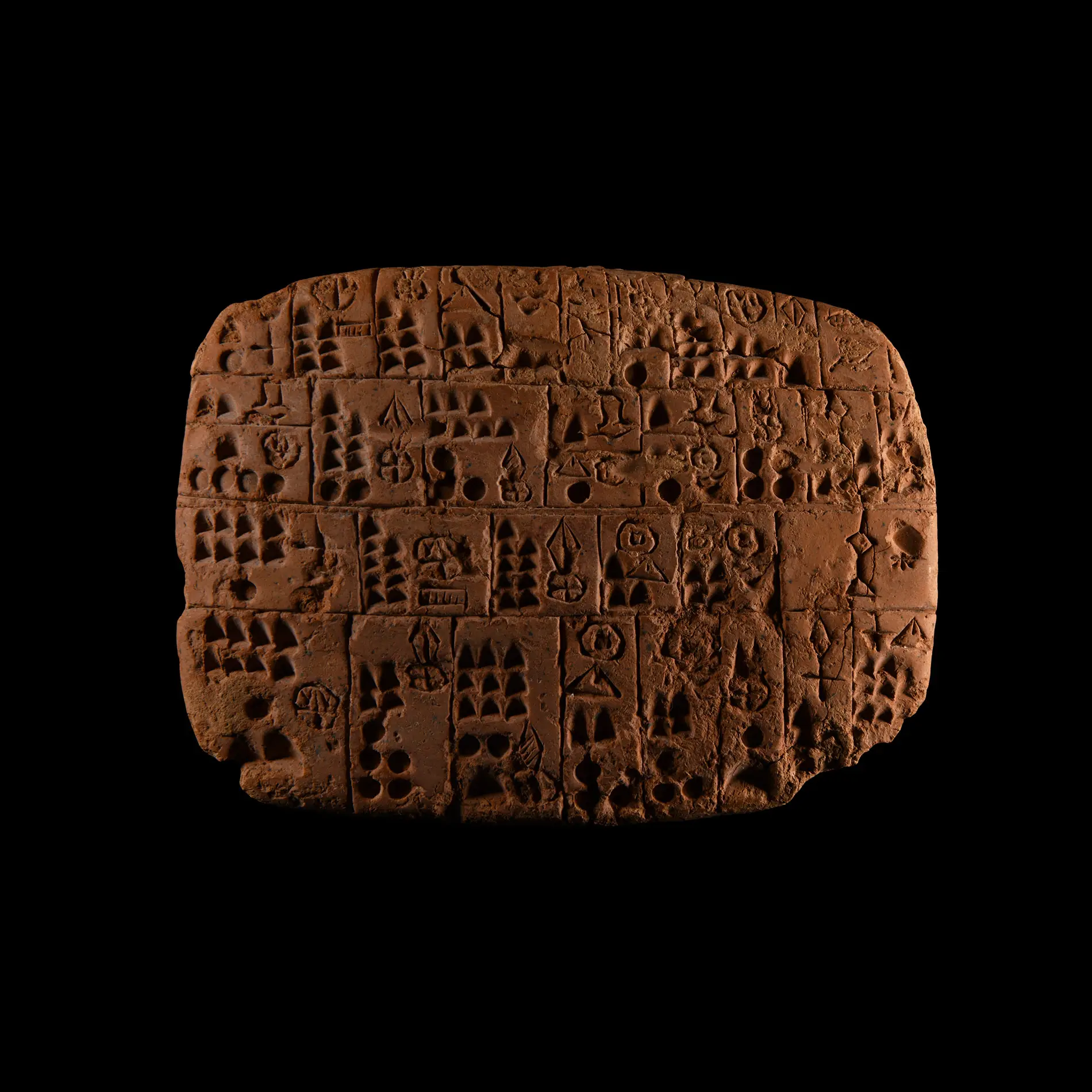
When we hold an ancient cylinder seal or examine the inscription on a bronze votive figure, we are not merely observing artistic style or decoding administrative records. We are touching objects made by people who loved and grieved, who knew fear and rage and depression, who struggled to understand why suffering exists and what, if anything, could be done about it.
The emotional vocabulary of ancient Egypt and Mesopotamia did not map precisely onto our own. The Akkadian terms that scholars translate as "worry" or "grief" or "anger" often combine what English separates, blending affects that we consider distinct. The Egyptian texts sometimes struggle to articulate states for which even their rich language had no established word. And yet, as scholar David Konstan has observed about ancient Greece, we are deeply moved by these arts and philosophies, we respond to them across millennia, precisely because something essential about human emotional experience is shared.
Gilgamesh, ravaged by grief, tearing at his hair in the wilderness, is recognizable. The Egyptian man asking "To whom can I speak today?" in the depths of his isolation speaks to anyone who has known the loneliness of depression. These are not merely literary tropes. They are records of felt experience, preserved in clay and papyrus, waiting for us to read.
Holding History in Your Hands
The remarkable survival of ancient objects allows us to form tangible connections with these emotional histories. When we hold such a piece in the cataloguing room, we can consider the hands that made it, the prayers spoken over it, the hopes and fears it was meant to address.
These objects were not created for museums. They were created by people who felt the same spectrum of emotions we feel today, who struggled with loss and uncertainty, who sought comfort in ritual and meaning in narrative. At TimeLine Auctions, we offer collectors the opportunity to own fragments of these emotional histories. A cuneiform tablet recording a lament, a bronze figure placed to protect against evil, an amulet worn against fear: these are not just museum pieces. They are history you can hold.
Browse our current catalogue to discover objects from the ancient Near East and Egypt, each carrying the weight of millennia and the unmistakable imprint of human feeling.
The scribe who copied the Gilgamesh Epic onto clay tablets at Nineveh, working by lamplight in the seventh century BCE, likely knew the same sorrow Gilgamesh describes. He, too, would have lost people he loved. He, too, would have wondered what lay beyond death. Somewhere in the world, that tablet, or one like it, survives still, waiting for someone to pick it up and recognize, across forty centuries, the feeling inside.
TimeLine Auctions, 17th March 2026