Home > Stories by TimeLine Auctions
Stories by TimeLine Auctions
Iliad Fragment Recovered with Roman-Era Mummy at Oxyrhynchus
A papyrus preserving part of Book II of Homer's Iliad has been recovered alongside a Roman-period mummy at the Egyptian site of Oxyrhynchus, where a joint Egyptian-Spanish team has been excavating a funerary complex in the Minya Governorate.
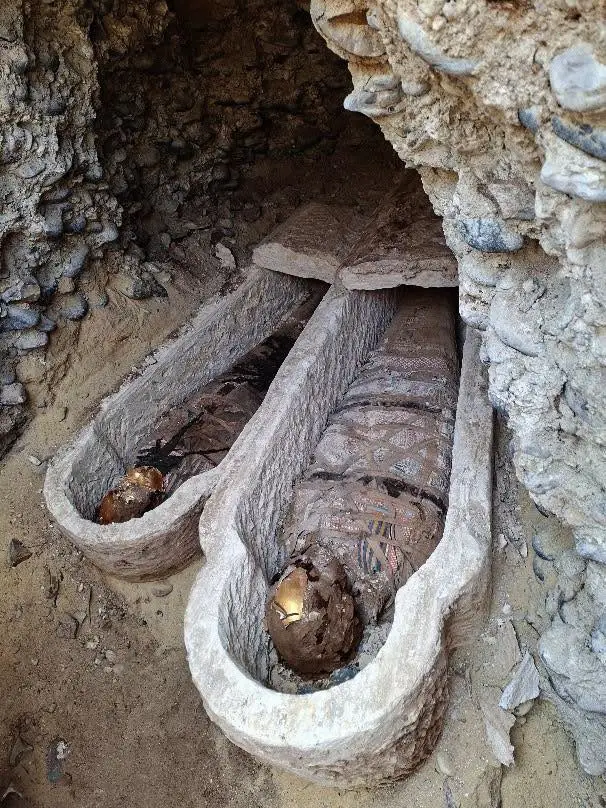
The fragment contains a section of the "Catalogue of Ships," the long enumeration of the Greek contingents that sailed against Troy. The Catalogue has been closely studied by classicists for its geographic content and for the textual variants preserved across surviving manuscripts and papyri. The find was announced by the Egyptian Ministry of Tourism and Antiquities alongside other results from the season, including gold and copper tongues placed in the mouths of the deceased and a group of limestone burial chambers east of an earlier Ptolemaic tomb.
The mission is led by Maite Mascort and Ester Pons Mellado of the University of Barcelona and the Institute of the Ancient Near East, with Hassan Amer of Cairo University directing the field excavations.
A site that has produced Homer before
Oxyrhynchus, modern El-Bahnasa, has been central to Greek papyrology since Bernard Grenfell and Arthur Hunt began systematic excavation of its refuse mounds in 1896. The site has yielded tens of thousands of fragments, most of them documentary, and Homer is the best-represented literary author in the recovered corpus.
A new Homer fragment is therefore not in itself unusual. What is less typical is the context: the papyrus was recovered with a mummy rather than from rubbish fill. Hisham Leithy, Secretary-General of the Supreme Council of Antiquities, said the find adds literary and historical value to the site's record of Homer's circulation in Roman Egypt.
The papyrus has not yet been formally published, and no comparison with established witnesses to the Catalogue of Ships has been released.
Tongues, gold leaf and mixed iconography
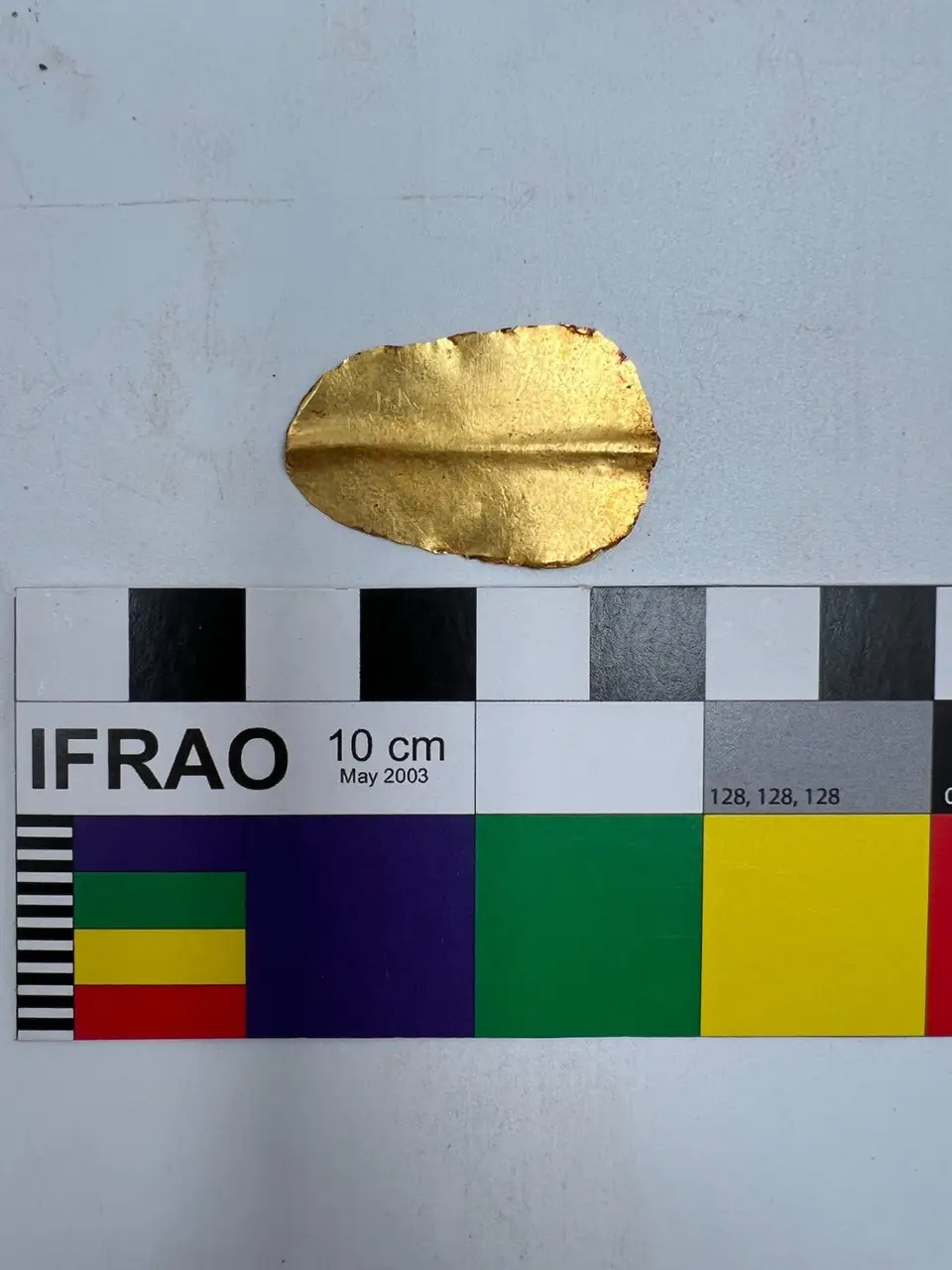
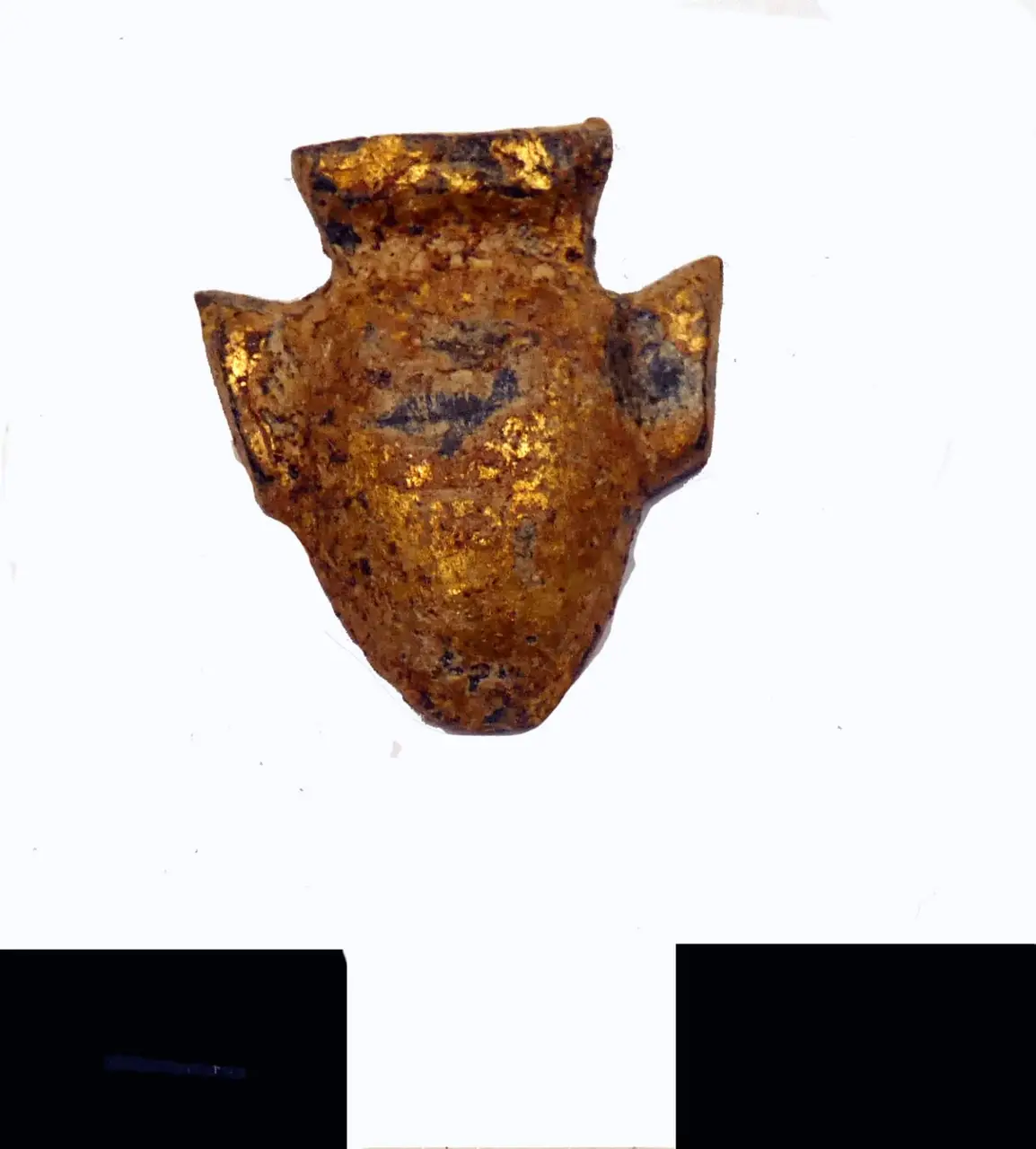
The season produced three gold tongues and one of copper, placed inside the mouths of the dead. The practice is documented across Roman-period cemeteries in Egypt and is generally understood by excavators as enabling the deceased to speak before the gods of the underworld. Gold leaf was found on some mummies, which researchers associate with higher-status burial. Some bodies had been wrapped in linen with geometric patterning; others were placed in painted wooden coffins.
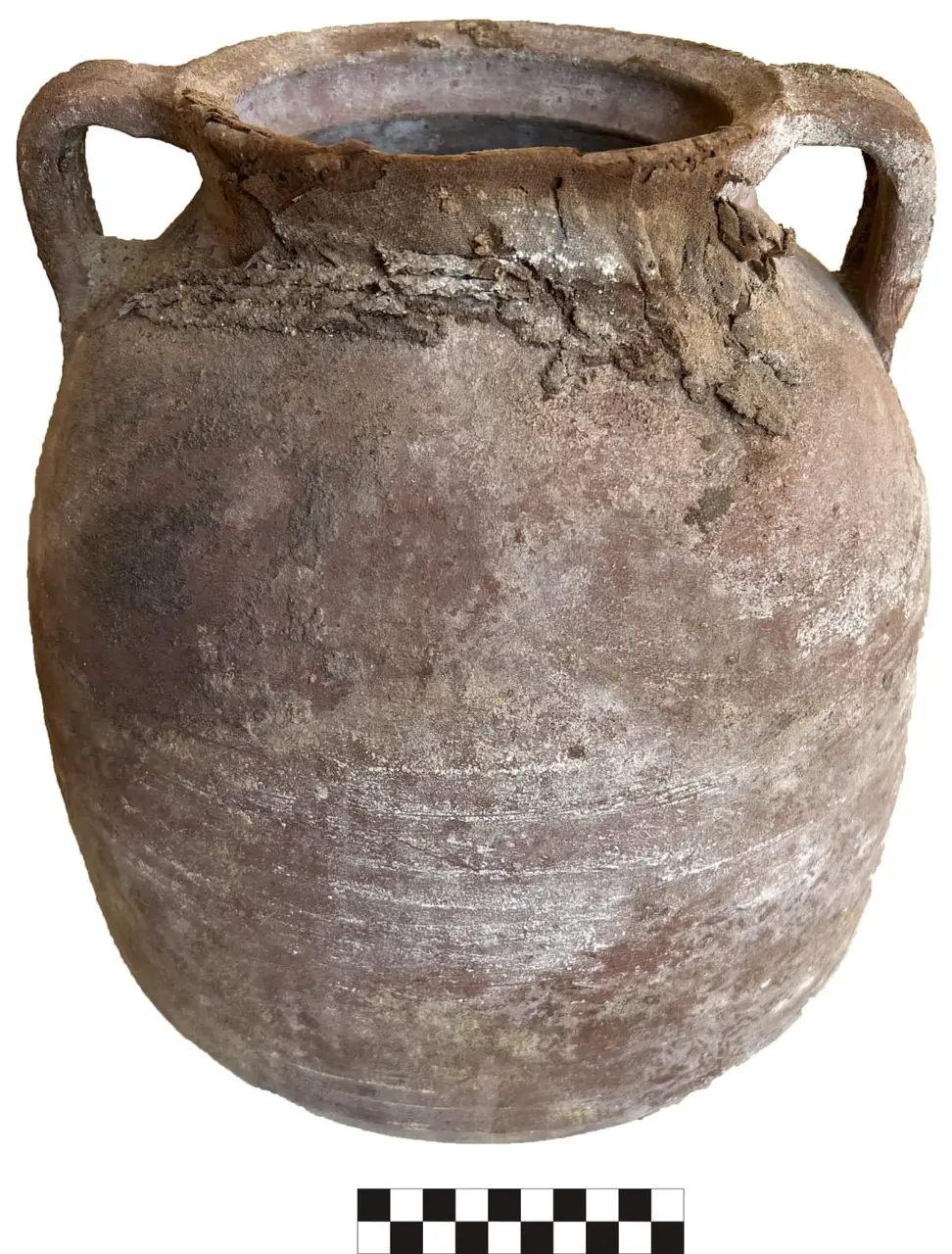
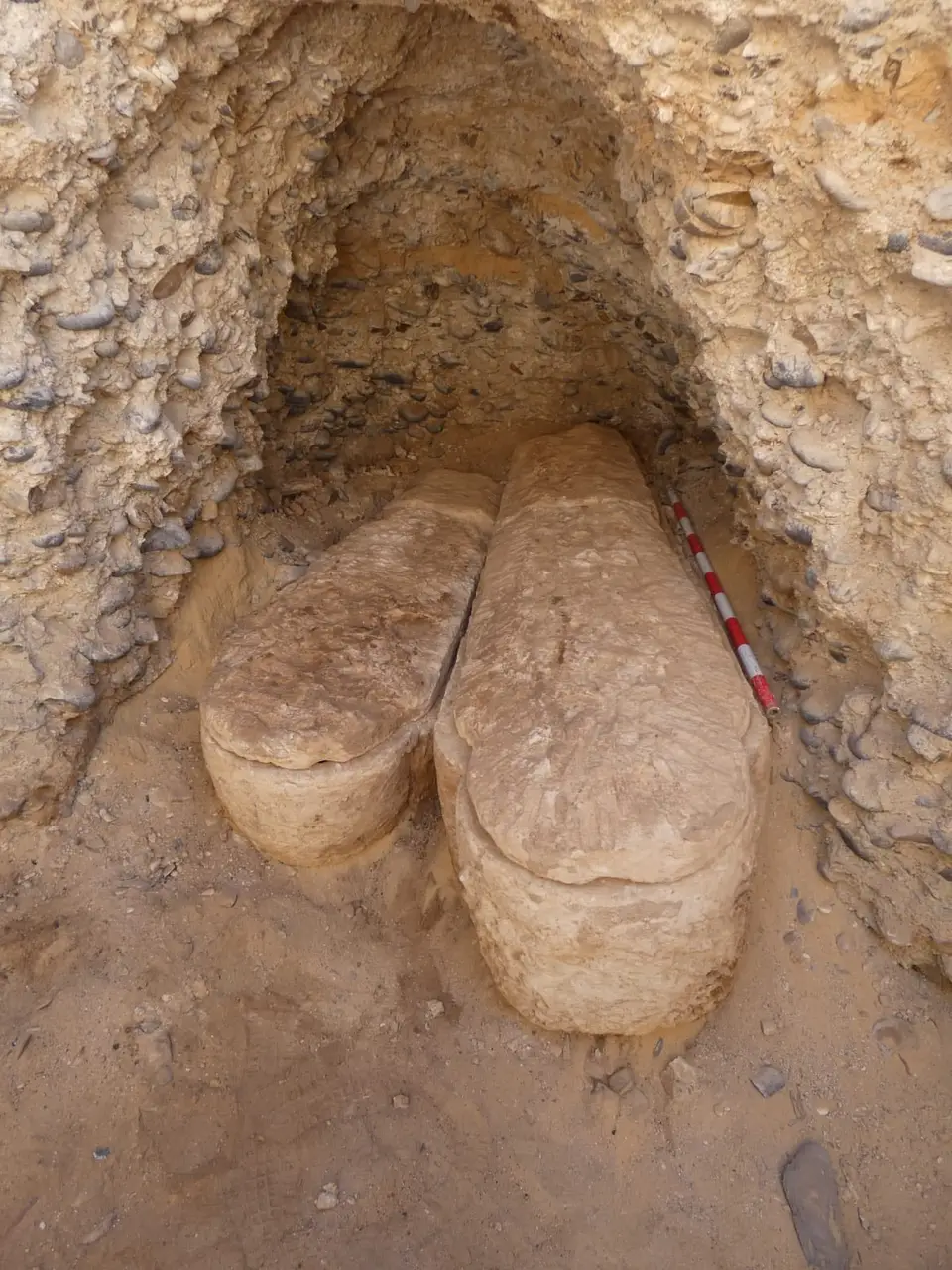
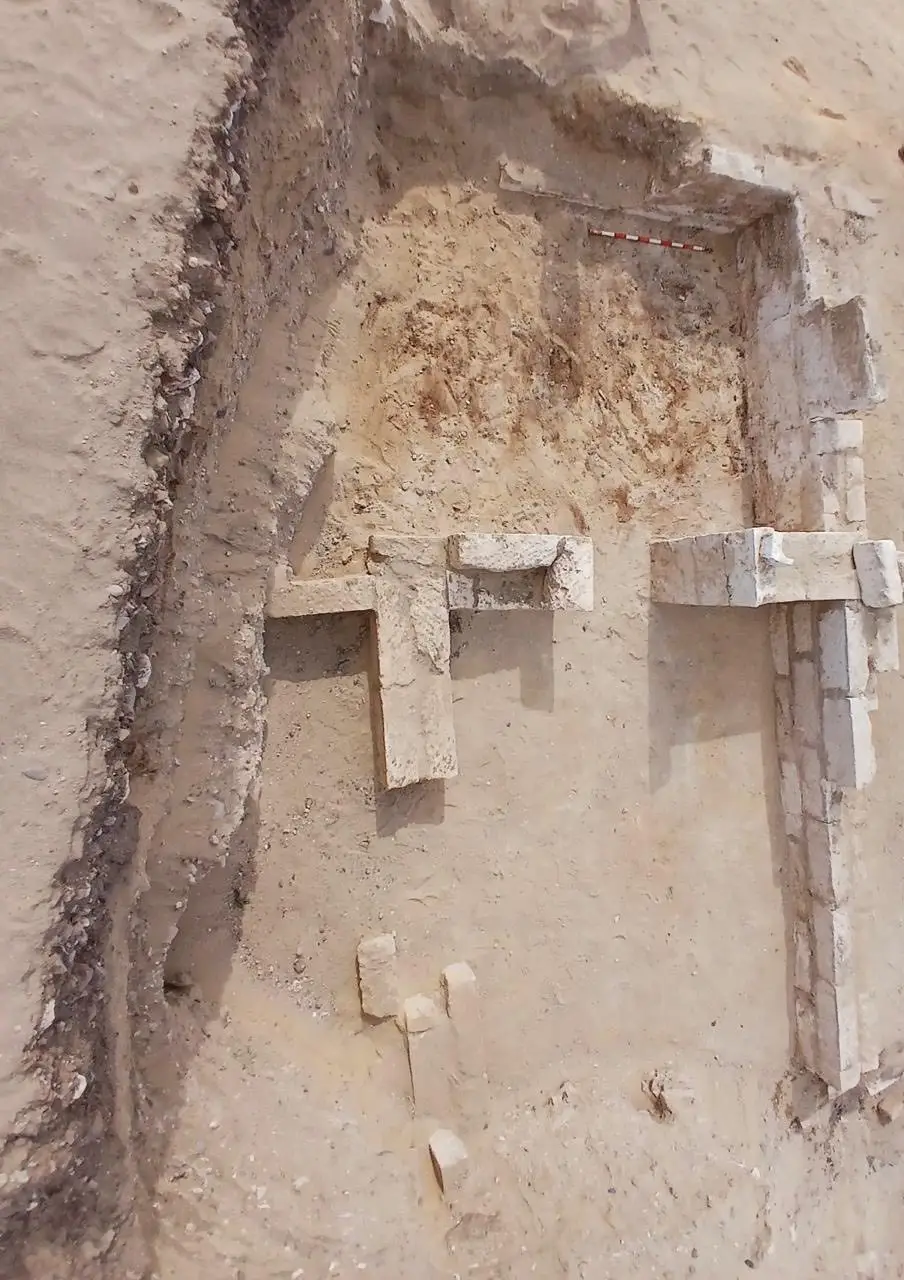
East of Cemetery No. 67, identified in the 2024 season, Mohamed Abdel-Badii, who heads the Egyptian Archaeological Sector of the Supreme Council of Antiquities, reported the opening of a trench with three limestone-built chambers. The first contained a large jar with the cremated remains of an adult, the bones of an infant, and the head of an animal, all wrapped in textile fragments. A second chamber held a similar jar with the cremated remains of two individuals and comparable animal bones, which the team read as evidence of repeated ritual practice.
To the south, excavators recovered terracotta and bronze figurines, including a mounted Harpocrates and a figure of Cupid. The pairing is characteristic of the hybrid Egyptian and Greco-Roman iconography of Roman Egypt.
Cemetery 65 and ancient looting
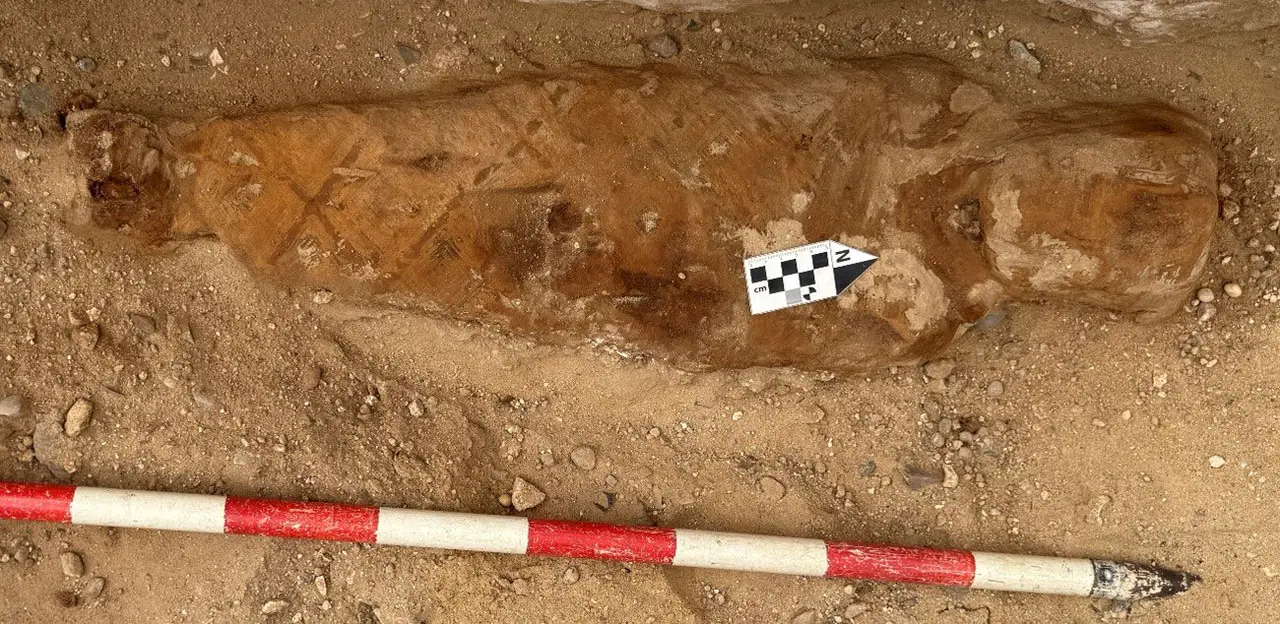
A separate underground chamber, or hypogeum, at Cemetery No. 65 yielded further mummies and painted wooden coffins, though Amer said these had been damaged by ancient looting. The extent of the disturbance, and what, if anything, was removed in antiquity, has not been specified.
Minister of Tourism and Antiquities Sherif Fathy said the season's results add to recent discoveries in Minya. Work at El-Bahnasa is continuing.
TimeLine Auctions, 8th May 2026