Home > Stories by TimeLine Auctions
Stories by TimeLine Auctions
Metal Detectorist Unearths Gold Ring Linked to the Saxon God Woden: Now Heading for Public Display
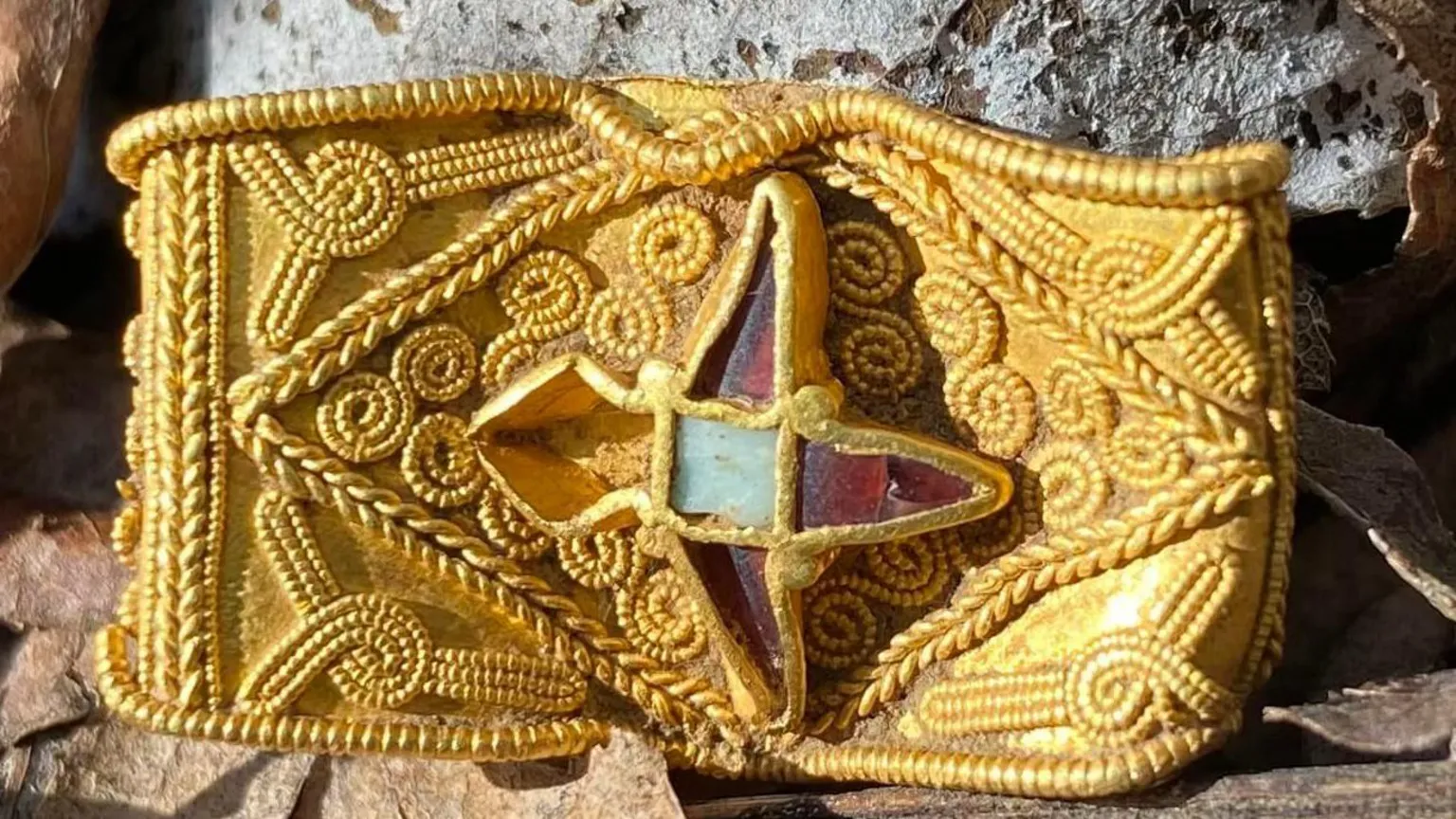
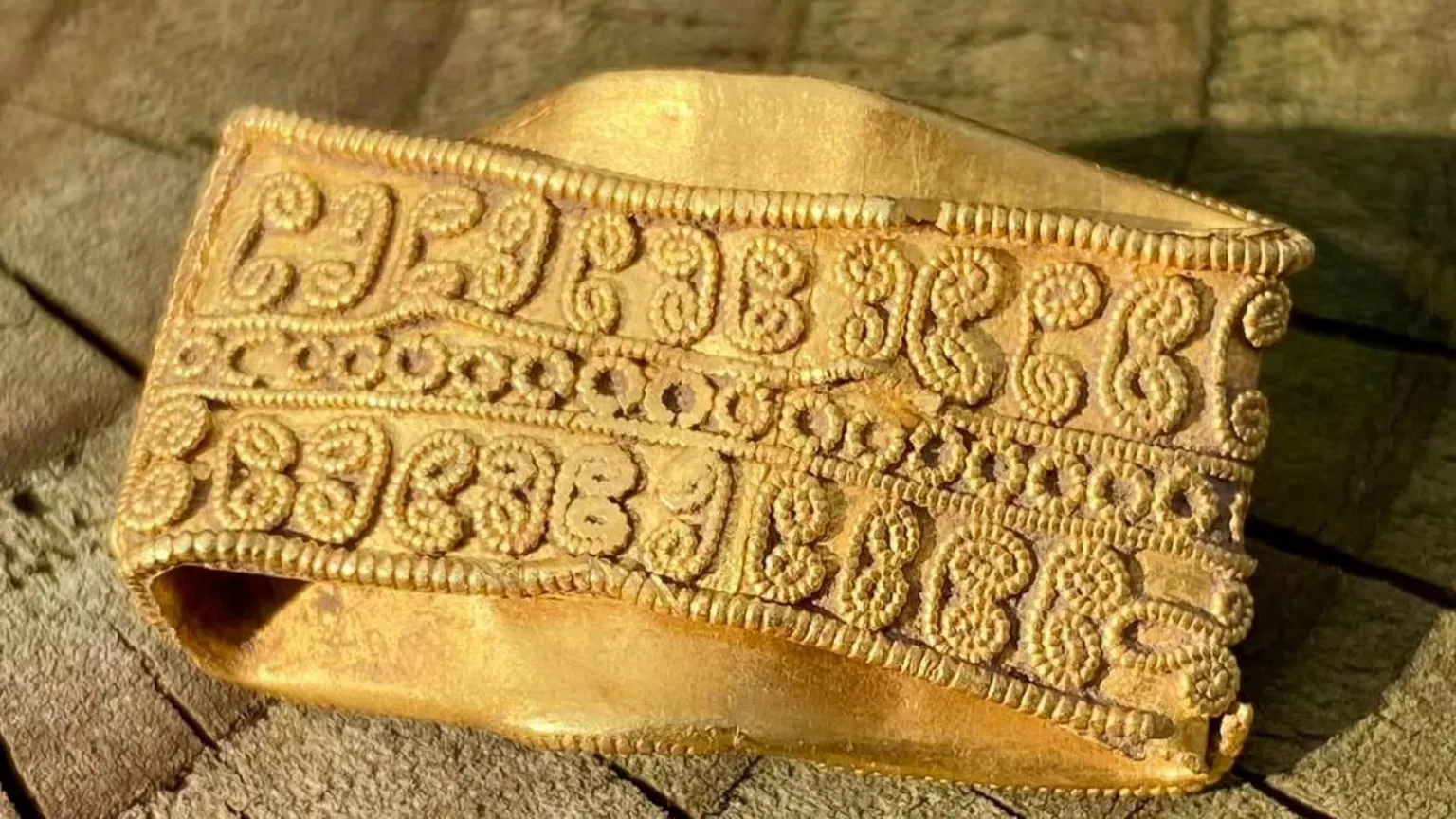
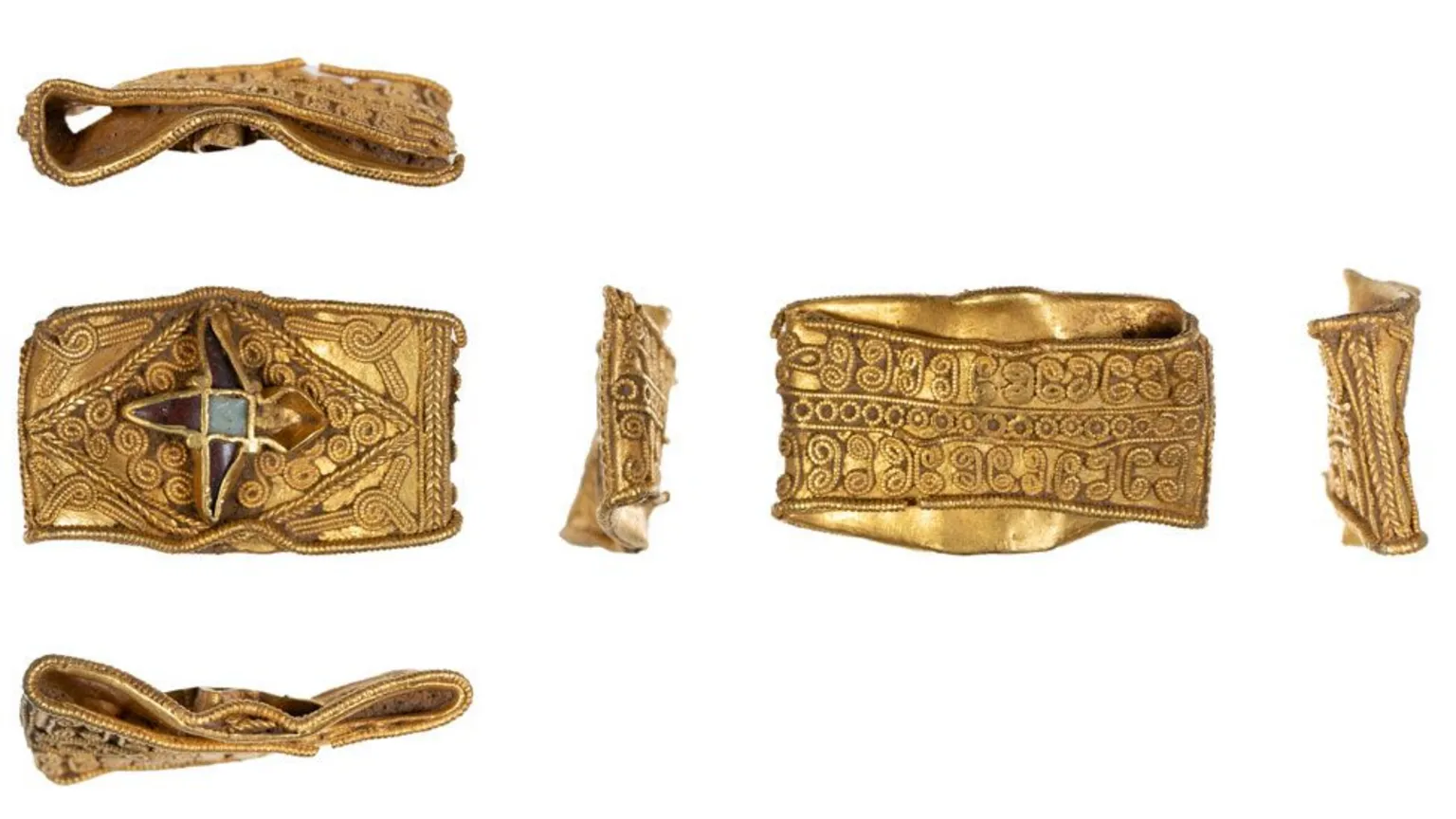
A finely worked gold ring decorated with a garnet and quartz cloisonné bird, likely representing one of the god Woden's raven companions, will go on display at Epping Forest District Museum in Waltham Abbey, Essex, this May. Metal detectorist Dean Young found the ring near Matching Green, Essex, in 2023, and it has since been declared treasure by a coroner, clearing the way for the museum to acquire it with the help of grants from the Arts Council England/V&A Purchase Grant, the Headley Trust, the Art Fund, and several local heritage organisations.
The band measures 27mm by 16mm and would have been worn by someone of considerable status. According to Ian Channell, museum manager at Epping Forest District Museum, the ring belonged to "one of the social elite, potentially a warrior or member of the Anglo-Saxon royalty." Finds liaison officer Lori Rogerson, who assessed the discovery for the Essex finds liaison office, described it as "on a par with" the celebrated objects recovered from the Sutton Hoo ship burial in Suffolk.
A Detectorist's Instinct
Young, a 49-year-old antiques and reclamation dealer from Wickford, initially thought he had hit a scrap of tin foil. His metal detector had started pinging at a site near Matching Green, and when he pulled the object from the ground, its weight immediately told him otherwise. "It was not until I picked it up and by the weight of it, I knew it was gold, and my friend could see from my face I'd found something really good," Young recalled. He took up metal detecting about nine years ago and called this ring his best find so far.
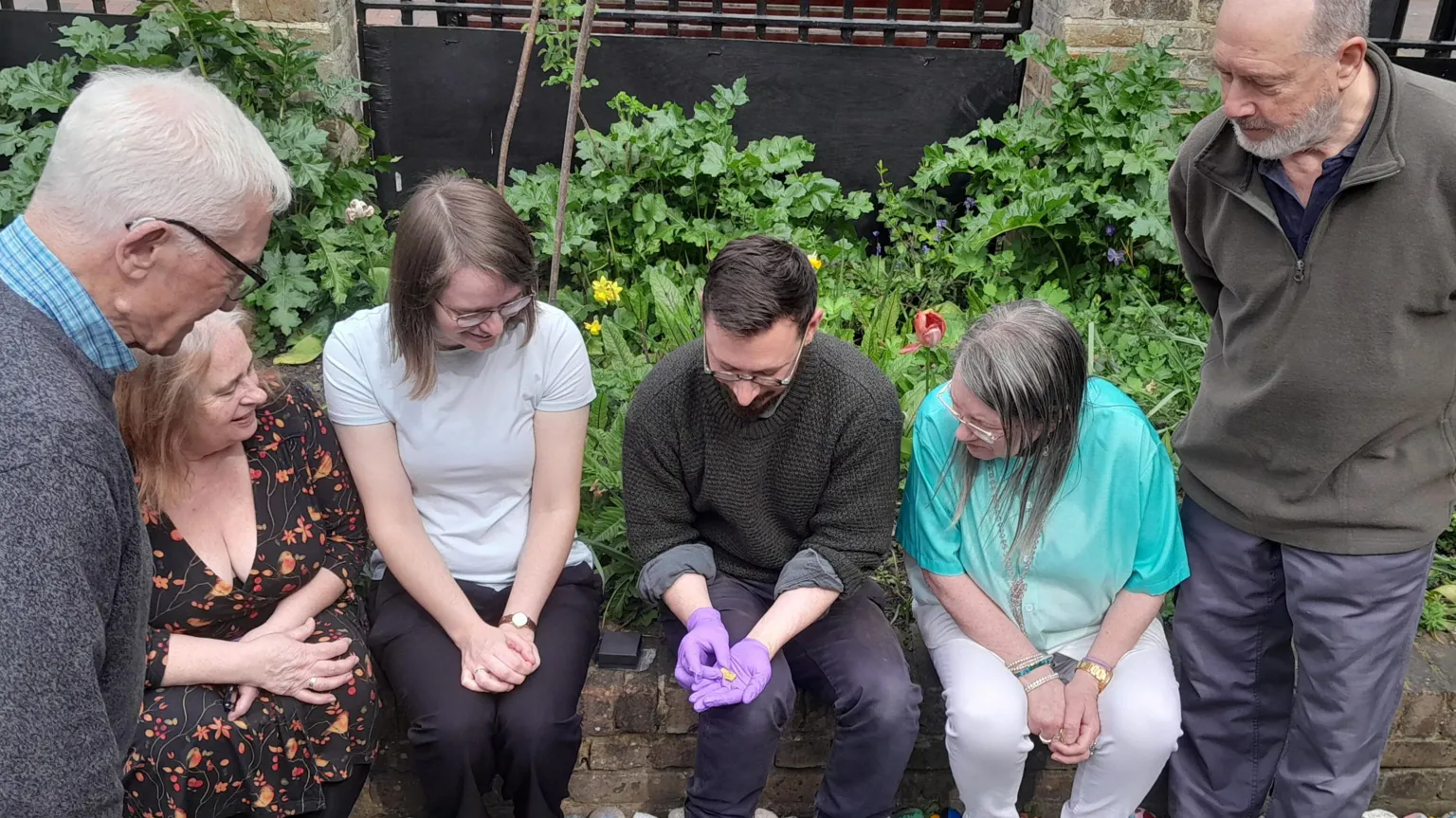
Young reported the discovery promptly to Rogerson, the Essex finds liaison officer, following the legal requirement under the Treasure Act to notify a local finds liaison officer within 14 days. After the coroner's inquest declared it treasure, the museum began the process of acquisition.
Woden's Ravens and Pagan Essex
The ring's design carries particular significance. Woden was the Anglo-Saxon equivalent of the Norse god Odin, a one-eyed war deity accompanied by two ravens, Huginn (thought) and Muninn (memory). The bird motif on the ring, Channell explained, suggests "the wearer could be seeking the protection of Woden and his raven god persona."
That kind of overtly pagan symbolism places the ring in a specific and turbulent moment in early English history. Anglo-Saxons in Essex were initially pagans, and the kingdom's conversion to Christianity was neither swift nor straightforward. The neighbouring kingdom of Kent converted around AD 597, and its influence pushed Essex toward the new faith over the decades that followed. But the transition was uneven. Channell noted that there were "multiple years when Essex bounced between paganism and Christianity," and this ring stands as physical evidence of local pagan practice during that period of religious flux.
Filling a Gap in the Collection
For the museum, the acquisition addresses a genuine need. Epping Forest District Museum holds a limited number of Anglo-Saxon objects, despite the region's deep connections to the period. Essex has significant Saxon-era sites, including Waltham Abbey church (whose wooden predecessor dates to the 7th century) and Greensted church, believed to be the oldest wooden church in the world. Channell called the ring "the jewel in our museum's crown" and said it "fills a gap" in the collection.
Young, for his part, said he was "over the moon" about the ring going on public display rather than disappearing into a private collection. "Putting things like this away in a private collection is such a shame," he said.
From the Ground to the Collection
The ring's journey from a muddy field in Essex to a museum vitrine is a model case for how the Treasure Act and Portable Antiquities Scheme are designed to work: a responsible finder reports a discovery, a finds liaison officer assesses it, a coroner's inquest determines its legal status, and a public institution has the chance to acquire it before it enters the open market.
Objects that do not meet the legal threshold for treasure, or that museums choose not to acquire, do sometimes reach collectors through specialist sales. Anglo-Saxon metalwork of this calibre is exceptionally rare on the market, but smaller items from the period (strap ends, dress pins, and coinage) appear with more regularity. We handle Anglo-Saxon and early medieval objects in our own sales from time to time, and pieces with clear provenance and find records remain among the most sought-after by collectors.
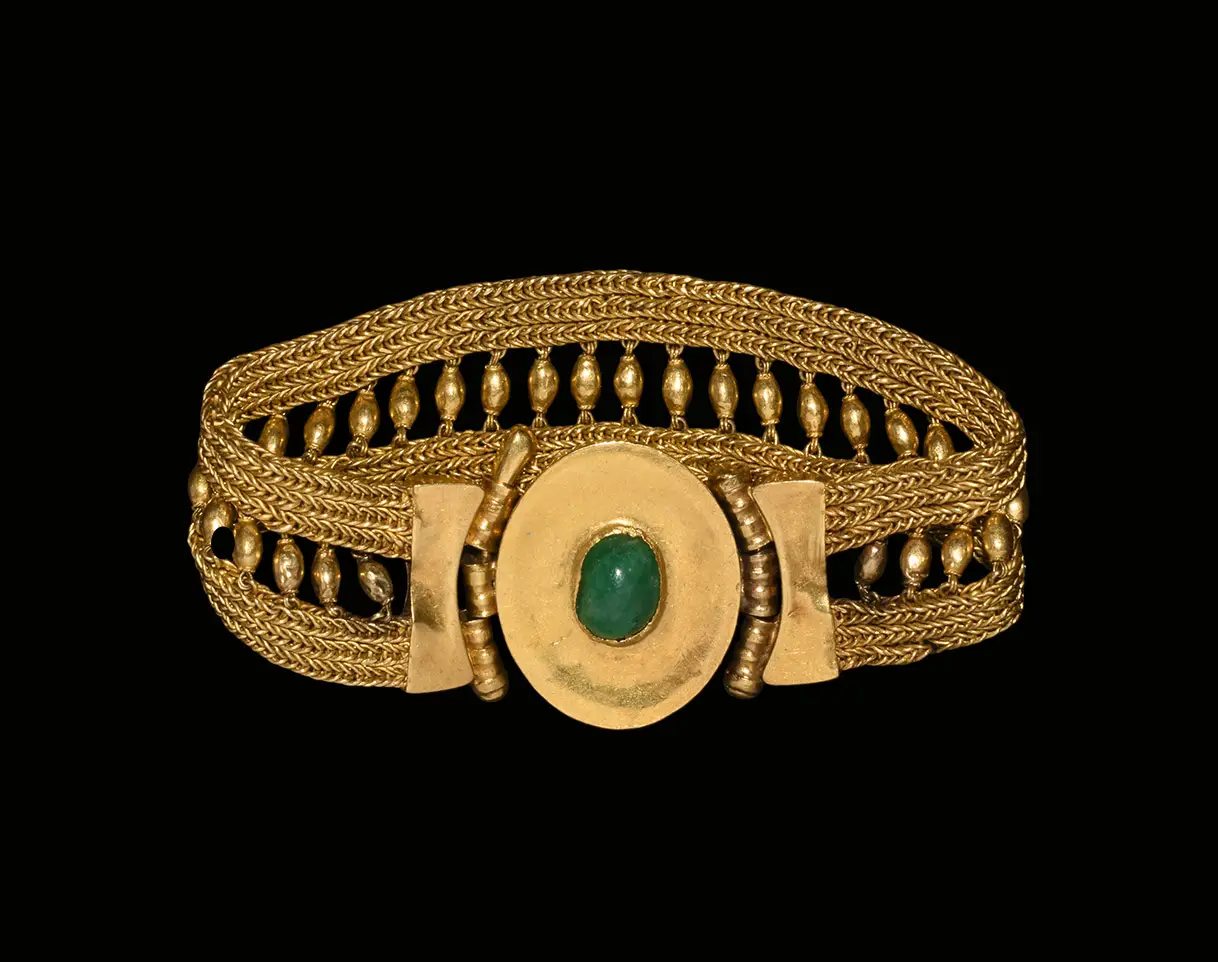
The ring will be displayed in the museum's Core Gallery from May 2026. Admission to Epping Forest District Museum is free.
TimeLine Auctions, 20th May 2026