Home > Stories by TimeLine Auctions
Stories by TimeLine Auctions
The Grand Tour: Standing Before the Colosseum, Coin Purse in Hand
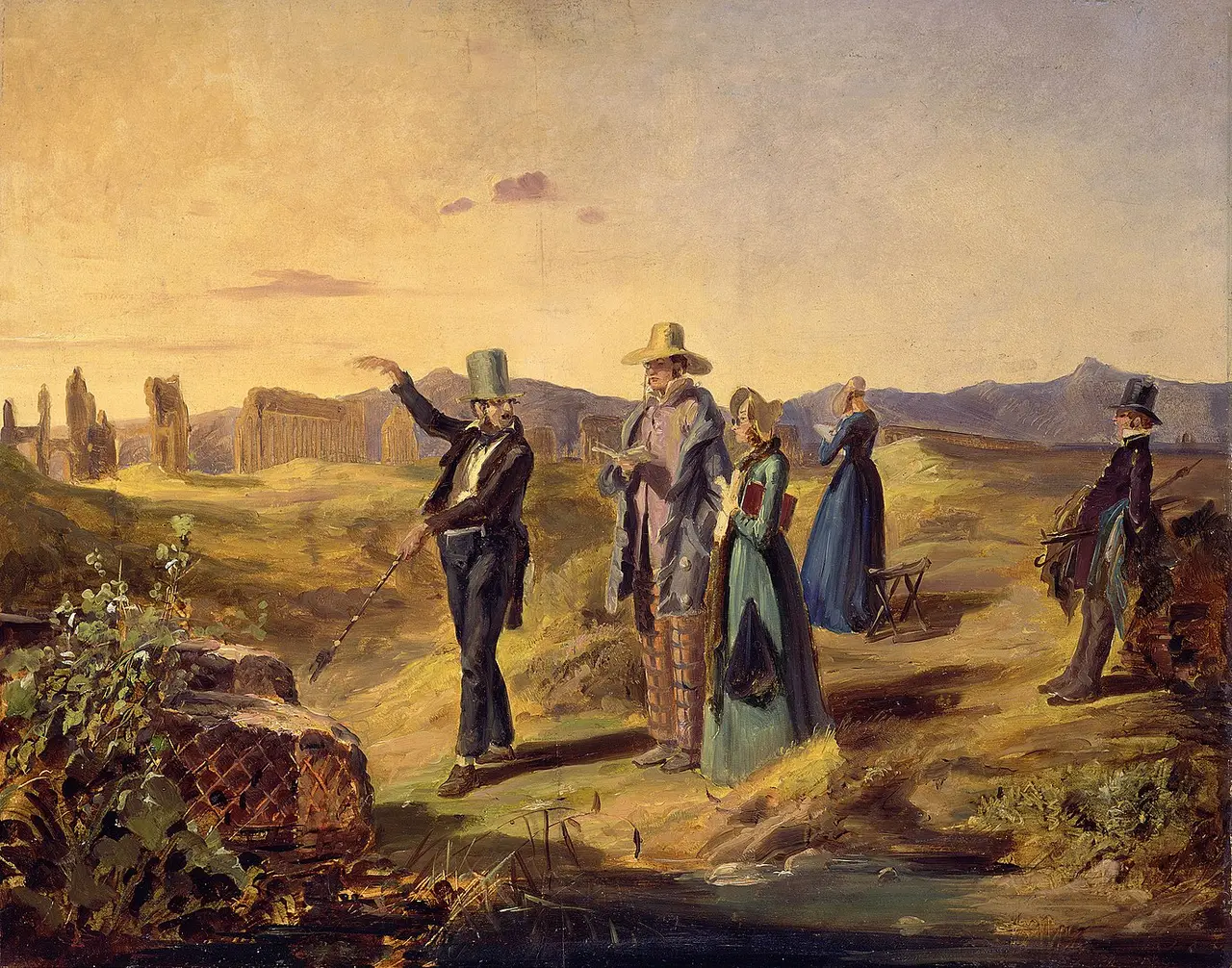
Picture yourself in Rome, 1765. The morning fog lifts off the Tiber as you stand before the Colosseum's arches, your Grand Tour guide negotiating with a local dealer over a bronze figurine just excavated from the Forum. You finger the coins in your purse, calculating whether you can afford both the bronze and passage back to Dover.
This scene, repeated thousands of times across three centuries, created the antiquities market as we know it today. When we examine the Roman intaglio rings or marble busts in our cataloguing room, we handle many objects that first entered private collections during this remarkable period. The Grand Tour didn't just shape Western taste; it established the very idea that ordinary citizens could own pieces of the ancient world.
Young Men Loose Among the Ruins
Between 1660 and 1840, something extraordinary happened. Wealthy Northern Europeans, particularly the British, began sending their sons south in droves. These weren't holidays. A proper Grand Tour could stretch two years, winding through France and Switzerland before descending into Italy, where the real education began.
Rome was the ultimate classroom, what scholars have called an "archetypal palimpsest city," where each century had written over the last. A young aristocrat who had conjugated Latin verbs in drafty Yorkshire could now touch the actual rostrum where Cicero had spoken. The Forum wasn't yet fully excavated; cows still grazed among the fallen columns. You could chip a piece of marble from the Baths of Caracalla without anyone batting an eye.
But touching wasn't enough. These travelers craved ownership.
The Economy of Ruinenlust
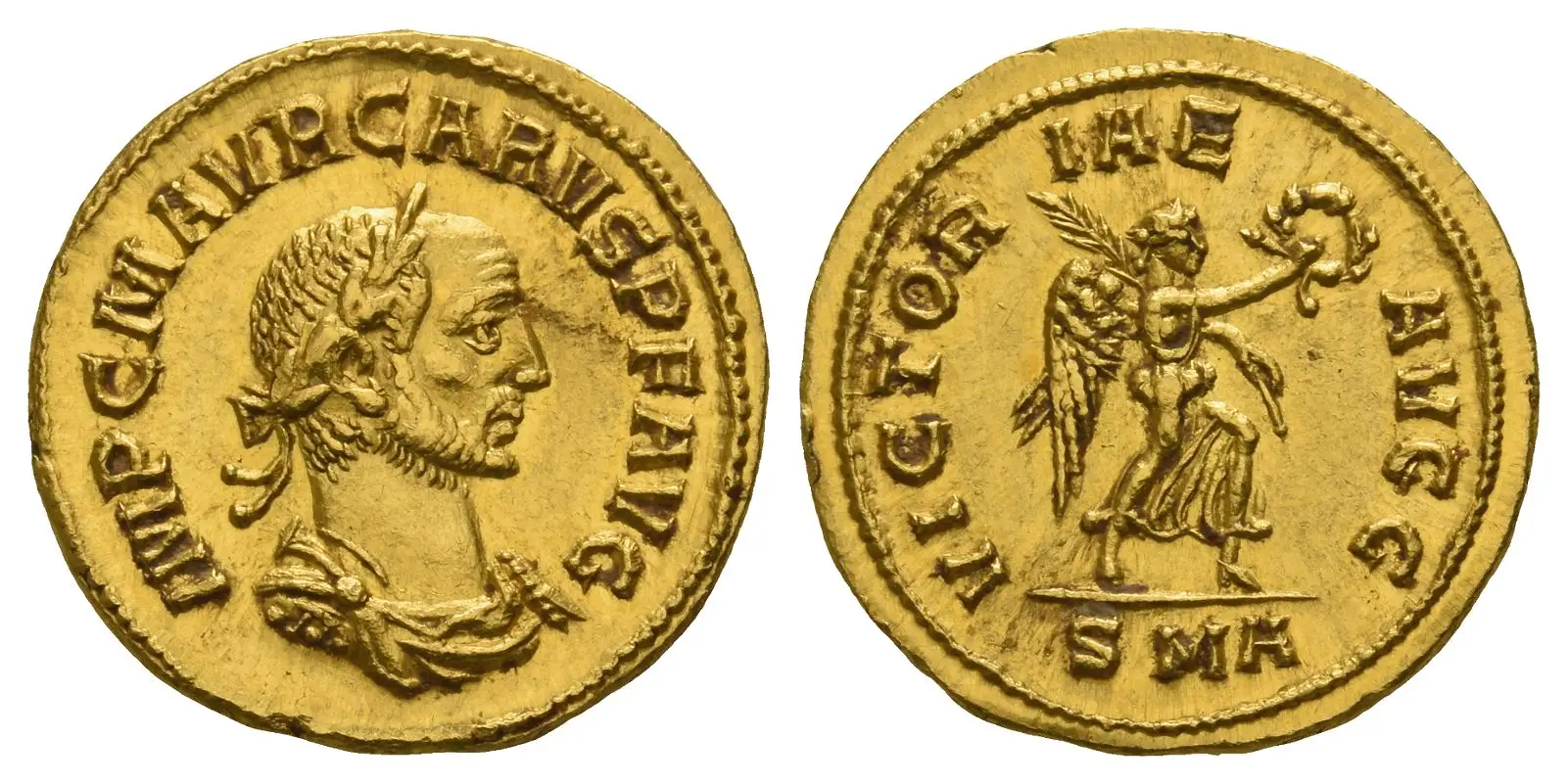
The Germans coined a perfect word for this period: Ruinenlust, the peculiar pleasure found in decay. When we hold a weathered Roman coin in our hands, feeling where countless fingers have worn the emperor's profile smooth, we experience the same sensation that drove 18th-century collectors wild.
Rome adapted brilliantly to this hunger. Cash-strapped Italian nobles began selling family collections that had gathered dust for generations. The Pope sponsored excavations while turning a blind eye to the private digs funded by eager tourists. Near the Spanish Steps, Europe's first true tourist district emerged. Coffee houses like the Caffè degli Inglesi buzzed with dealers, restorers, and artists, all catering to visitors with deep pockets and romantic notions.
Your Man in Rome: The Cicerone
If you wanted to buy antiquities in 18th-century Rome, you needed a cicerone. Named after the great orator, these local experts served as guides, educators, and, crucially, brokers. They knew which cardinal's butler might quietly sell a bronze lamp, which excavation sites were producing the best finds, and how to ship a two-ton statue back to England without it ending up at the bottom of the Mediterranean.
The antiquities market remains complex, with questions of authenticity, provenance, and value that can overwhelm newcomers. Like those early ciceroni, at TimeLine we guide collectors through the maze, helping them find pieces that match both their passion and their budget.
Beyond the Aristocrats
Here's where the story gets interesting. Initially, only dukes and earls made the Tour. By 1750, however, lawyers, merchants, and doctors had overtaken the nobility on the roads to Rome. This shift changed everything about collecting.
A duke might purchase a monumental statue for his country estate's sculpture gallery. A merchant had neither the space nor the funds for such grandeur. Instead, the rising professional classes collected coins, carved gems, small bronzes, and pottery lamps. They bought what they could carry home in their luggage.
Walk through our current catalogue and you'll see this same range. The large marble statue may catch the eye, certainly, but a perfectly preserved silver denarius or an exquisite terracotta jar offers the same direct connection to the ancient world, just as these smaller pieces did for Georgian era professionals building their collections one careful purchase at a time.
Macaronis and the Art of Showing Off
Some returning Grand Tourists became so intoxicated with Italian culture that they adopted outrageous foreign manners. They wore Venetian silks, spoke with affected accents, and earned the mocking nickname "Macaronis" (after the exotic pasta dish they'd discovered abroad). The British press lampooned them mercilessly.
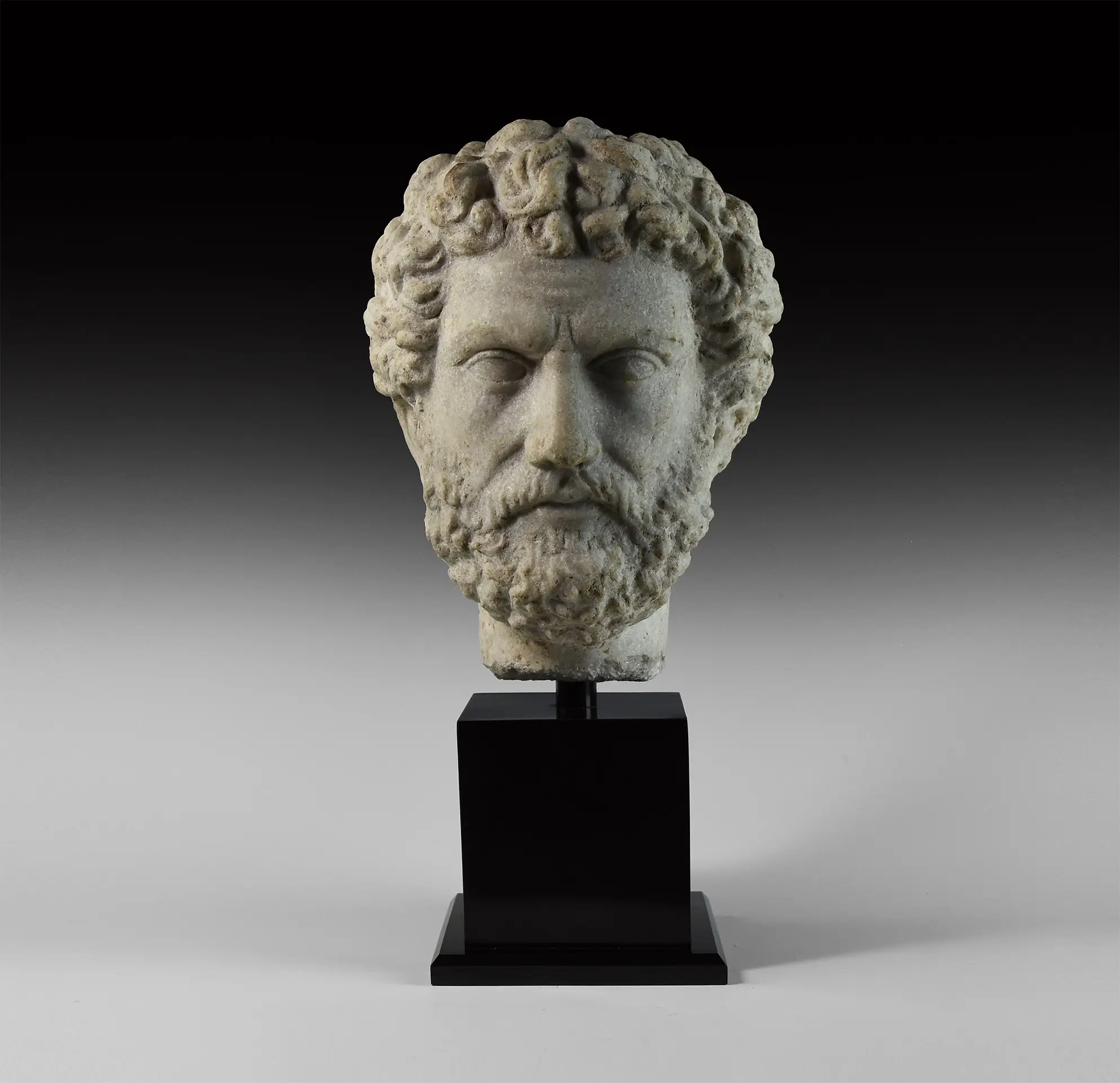
Yet beneath the satire lay something profound: the desire to be transformed by encounter with the past. Displaying a Roman bust in your library was the respectable version of this impulse. It announced to every visitor that you were cultured, educated, worldly.
When clients tell us they want to live with ancient objects, they're expressing the same desire. Placing a Greek vase on your mantel or a Roman ring on your finger remains a statement about who you are and what you value.
Piranesi's Dark Magic
Giovanni Battista Piranesi understood the psychology of collectors better than anyone. This architect-turned-printmaker created etchings of Roman ruins so dramatic, so impossibly grand, that they made the actual monuments look modest by comparison. His prints sold the feeling of antiquity, not just its facts.
Piranesi also dealt in actual antiquities, restoring fragments and selling them to British clients. When the Earl of Charlemont failed to pay for a dedication in one of Piranesi's books, the artist publicly erased the Earl's name from the copper plates, leaving visible scratches as a warning to future patrons. The relationship between dealer and collector, we note, has always had its moments of drama.
Your Own Grand Tour Begins Here
You don't need two years and a trust fund to join this tradition.
Start by Looking: The Grand Tourists spent months observing before buying anything. Register for our upcoming auction, even without planning to bid. Watch the estimates, read the descriptions, see what pulls you in.
Ask Everything: We are your modern ciceroni. Want to know why one Apulian vase costs more than another? Ask us. These conversations are where real collecting begins.
Begin Modestly: Remember those 18th-century merchants buying coins and gems instead of colossal statues. A bronze fibula or a pottery oil lamp offers the same authentic connection to antiquity as any museum piece.
Love the Fragment: The Grand Tour taught us that a broken marble hand can be as beautiful as a complete statue.
When we handle these objects in our London rooms, preparing them for auction, we often think about their strange journeys. Created by Roman hands, buried for centuries, dug up during the age of the Grand Tour, passed through generations of collectors, and now waiting for their next custodian.
Perhaps that will be you. The Grand Tour never really ended; it just changed shape. Browse our current catalogue and find your own piece of this continuing story.
TimeLine Auctions, 13th March 2026