Home > Stories by TimeLine Auctions
Stories by TimeLine Auctions
The Oldest Confirmed Dogs Lived 16,000 Years Ago, and They Were Already Everywhere
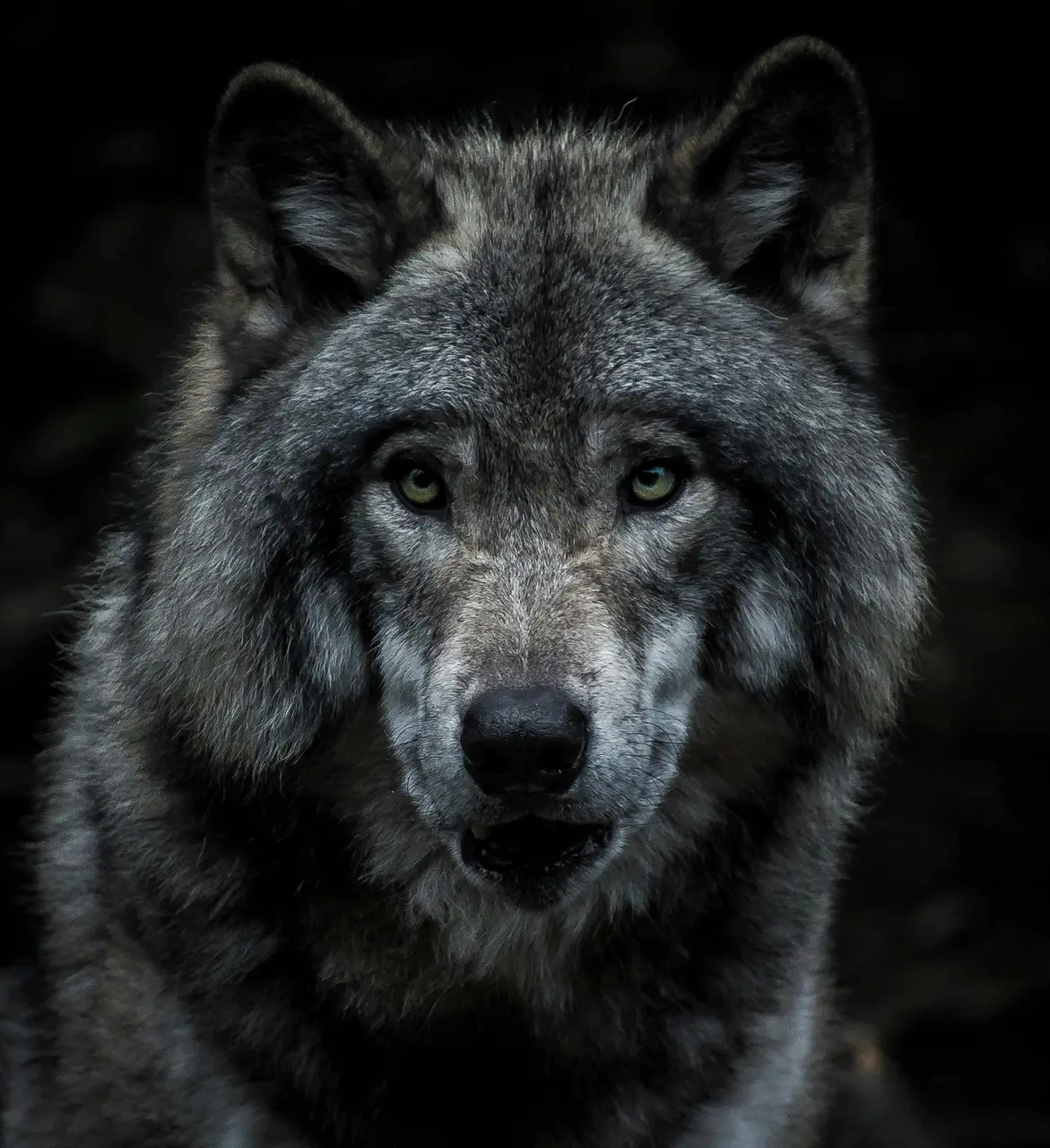
A jawbone from a cave in Somerset and a handful of tiny bones from a rock shelter in central Türkiye have just rewritten the timeline of humanity's oldest partnership. According to a study published this month in Nature, DNA extracted from animal remains at Gough's Cave in the UK (approximately 14,300 years old) and Pınarbaşı in Türkiye (approximately 15,800 years old) confirm that both animals were domestic dogs, not wolves. These are now the earliest genetically verified dogs on record, pushing the definitive evidence for domestication back by roughly 5,000 years.
The international research team, led by William Marsh and Lachie Scarsbrook alongside senior authors Greger Larson (University of Oxford), Ian Barnes (Natural History Museum, London), and Laurent Frantz (Ludwig-Maximilians-Universität, Munich), sequenced DNA from eight ancient canid specimens across four archaeological sites. Six of those eight turned out to be dogs rather than wolves.
A Single Population, Spanning a Continent
What makes the finding especially striking is how closely related the Gough's Cave dog and the Pınarbaşı dog were. These two animals lived more than 3,000 kilometres apart, separated by sea, mountain ranges, and at least 1,500 years of calendar time, yet their DNA tells a story of close kinship. The team's statistical modelling suggests their most recent common ancestor lived roughly 16,900 years ago, and across the whole genome these two dogs are more similar to each other than either is to any other known dog.
The researchers propose that a single, closely related dog population spread across western Eurasia between roughly 18,500 and 14,000 years ago, most likely travelling alongside the expansion of a widespread Ice Age culture known as the Epigravettian. The five Ice Age dogs identified in this study (from the UK, Germany, Switzerland, Italy, and Türkiye) were each found alongside one of three genetically and culturally distinct human populations: the Magdalenian in the northwest, the Epigravettian across continental Europe and Italy, and Anatolian hunter-gatherers in what is now Türkiye.
Dogs Moved Between Peoples
Here the story takes an intriguing turn. At Gough's Cave, the humans belonged to the Magdalenian culture, but the dog's genome fits squarely within the population otherwise linked to Epigravettian sites. The implication is that dogs were exchanged between culturally distinct human groups without people themselves interbreeding. Dogs, it seems, crossed cultural boundaries that people did not, or at least not at the same rate.
The broader data supports this. Across 35 sites spanning the late Ice Age to the Medieval period, the team found that where human populations were genetically similar, so were the dogs, and vice versa. But the Pınarbaşı and Gough's Cave dogs broke the pattern: they were far more genetically similar to each other than the humans at the same sites were to each other. Dogs had their own population history, entangled with but distinct from our own.
Treated Like Family, Even in Death
The closeness of this relationship extended beyond the practical. At Gough's Cave, where human remains show evidence of ritualistic cannibalism (skulls shaped into cups, bones deliberately engraved), the dog remains received remarkably similar treatment after death. A deliberate piercing on the jaw muscle attachment of the dog's mandible mirrors the modifications made to human bones at the site. At Pınarbaşı, newborn and juvenile dogs were buried in the same area as human burials of the same period. These patterns of shared treatment push the symbolic inclusion of dogs in human funerary practices back thousands of years earlier than previously confirmed.
Chemical analysis of the bones offers a further window into daily life. At Gough's Cave, the dogs and humans appear to have eaten a broadly similar diet, both of them omnivorous. At Pınarbaşı, the data point to the dogs eating small freshwater fish, which are well documented in the site's human-occupied layers. The dogs were almost certainly being fed, directly or indirectly, by people.
A Legacy Written in Modern DNA
The ancestry of these Ice Age dogs did not vanish. It persisted through the millennia and into the present. The team's modelling shows that a major wave of eastern Eurasian dog ancestry arrived in Europe during the period after the Ice Age, coinciding with the westward movement of eastern hunter-gatherer populations. By roughly 10,900 years ago, both the western and eastern Eurasian ancestry components that define European dogs today were already in place. Modern breeds, from German Shepherds to Cavalier King Charles Spaniels, still carry roughly 20% eastern Eurasian dog ancestry alongside their dominant western Eurasian heritage.
The study also found that dogs remained almost entirely reproductively isolated from wolves throughout this period, picking up little to no wolf DNA aside from limited interbreeding with Near Eastern wolves before 7,000 years ago. This stands in sharp contrast to pigs and cattle, which interbred extensively with their wild counterparts after being brought to Europe.
From the Cave to the Collection
The relationship between humans and dogs stretches back further than most of us appreciate, and the material culture of that relationship, from worked bone to funerary goods, surfaces regularly in the archaeological record. We handle Palaeolithic and Mesolithic bone, stone, and ivory artefacts regularly at TimeLine. Browse our current catalogue for prehistoric items from the periods discussed in this research.
TimeLine Auctions, 2nd May 2026