Home > Stories by TimeLine Auctions
Stories by TimeLine Auctions
The Smoke of the Mede
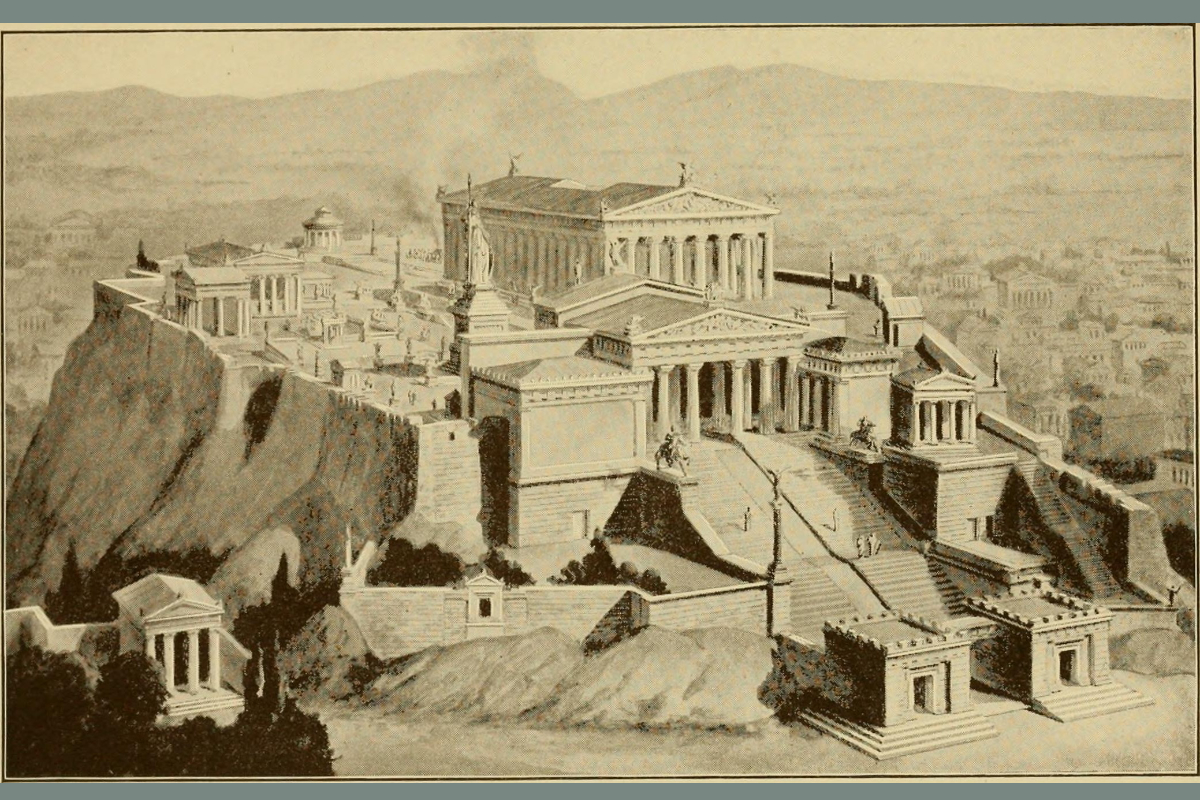
When the smoke finally cleared from the Acropolis in 479 BC, the Athenians returned to a city of ash. The Persian King Xerxes had burned the temples and leveled the houses, leaving behind a scarred landscape that would define the psychology of a generation. It is here, in the dust of the Persian retreat, that the story of Classical Greece truly begins. We often think of this era as a procession of white marble statues and calm philosophers, yet the reality was far more volatile. It was a period defined by a frantic energy to rebuild, a desperate thirst for security, and a radical experiment in human governance that would eventually consume itself.
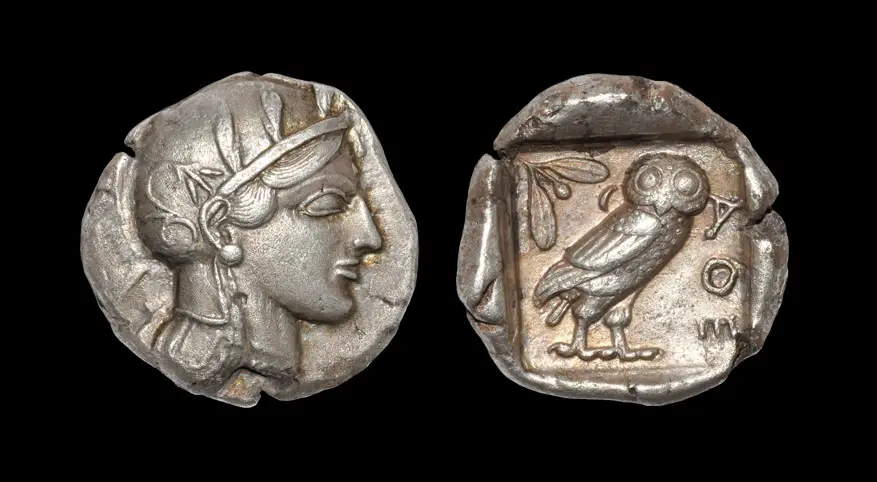
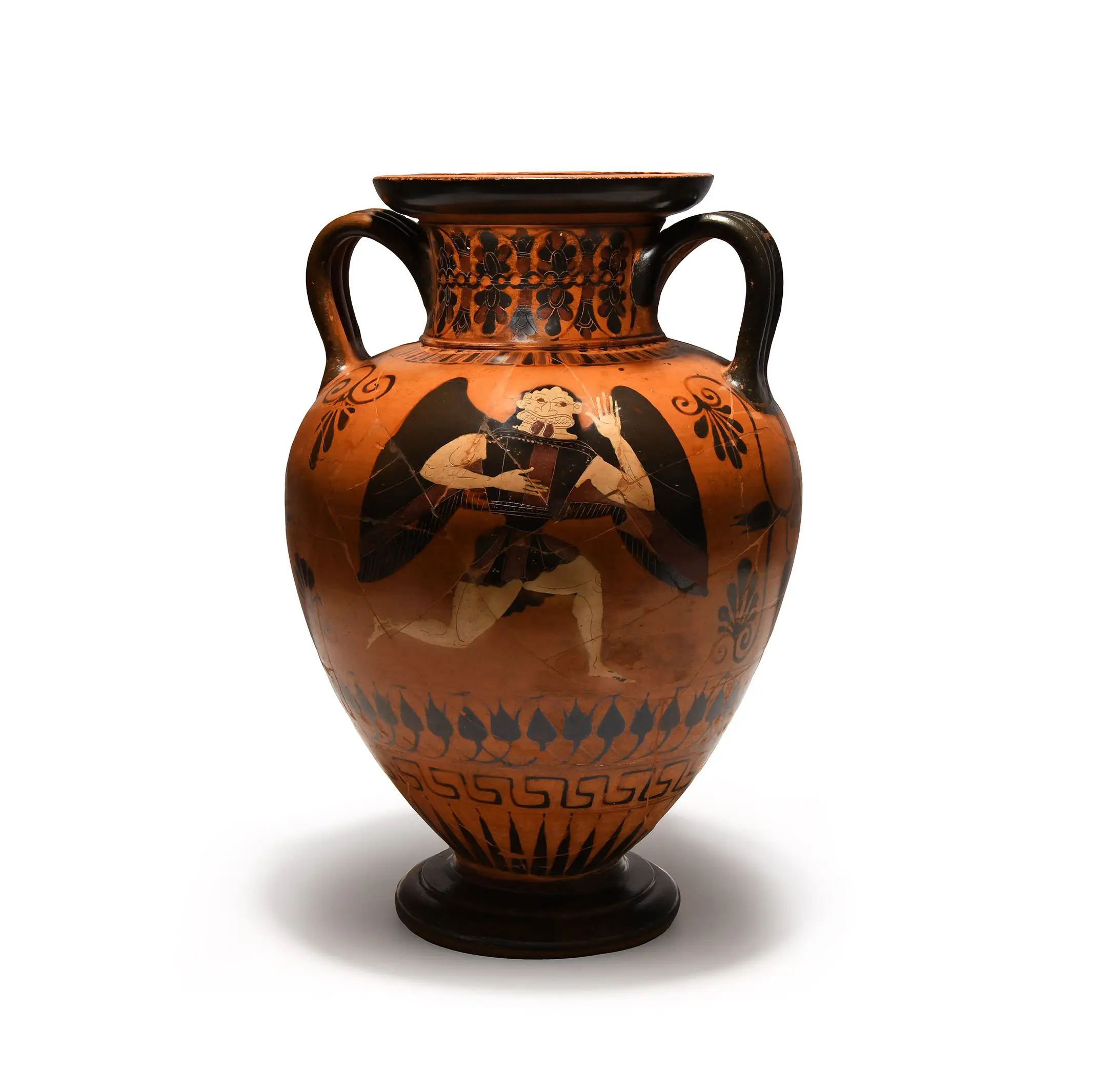
To understand the objects from this period (whether a silver tetradrachm bearing the owl of Athena or a fragment of black-figure pottery) we must first understand the relief that washed over the Greek world. The impossible had happened. The fragmented city-states, the poleis, had united just enough to repel the superpower of the age. But as the Persian fleets limped back to Asia, the unity of the Greeks began to fracture almost immediately. The Spartans, whose heavy infantry had held the line at Plataea, retreated into their austere isolationism in the Peloponnese. They left a vacuum in the Aegean, one that the Athenians were all too eager to fill.
We see the physical evidence of this transition in the archaeological record. The "Themistoclean Wall" of Athens was thrown up in such haste that gravestones, broken columns, and rubble were shoved into the foundations. It was a fortification born of paranoia, not just fear of the Persians returning, but fear of fellow Greeks. This tension between the land-power of Sparta and the rising naval power of Athens would become the engine of history for the next century.
The League and the Drachma
In 478 BC, the Greek allies looked for leadership. The Spartan commander Pausanias, who had led the victory on land, had begun dressing in Persian robes and acting the tyrant, alienating the Ionian Greeks who had just been liberated. They turned to Athens. The result was the Delian League, named for the sacred island of Delos where the treasury was kept. It began as a voluntary alliance to keep the seas safe and the Persians at bay.
When we handle the coinage of this period, particularly the ubiquitous Athenian "owls," we are holding the mechanism of empire. The League required contributions. Larger states provided ships; smaller states, lacking the timber or manpower, paid phoros (tribute) in silver. The initial assessment was set at 460 talents, a colossal sum that flowed into the war chest. This silver paid for the triremes, the sleek warships with three banks of oars that patrolled the Aegean. It paid the rowers, often drawn from the poorer classes, giving them a stake in the city's success that would anchor the radical democracy.
Yet, the line between protection and extortion blurred quickly. When the island of Naxos tried to leave the League, the Athenians besieged them, forcing them back in as subjects. The alliance was becoming a cage. By the middle of the century, the treasury was moved from Delos to Athens, ostensibly for safety, but in reality to fund the glorification of the city itself. The surplus silver that should have fought Persians instead bought the Pentelic marble for the Parthenon.
The Golden Age: A City of Words and Stone
The middle of the fifth century, often called the Periclean Age, offers us the highest concentration of artistic and intellectual achievement in western history. It was a time when the physical city was reimagined. The rubble of the Persian sack was cleared away (some of it buried in pits that modern excavators would uncover, revealing perfectly preserved archaic statues) and replaced with monuments of unprecedented ambition.
This was not merely an architectural boom; it was a political statement. Pericles, the aristocrat who led the democracy, argued that the city was an "education to Greece." The buildings on the Acropolis were funded by the tribute of the allies, a fact that Pericles' political enemies railed against, claiming he was dressing the city up like a "wanton woman" with the money of others. But the assembly voted him the funds. This connection between imperialism and art is uncomfortable but undeniable. The friezes of the Parthenon, the gold and ivory statue of Athena, the Propylaea: these were bought with the safety tax of the Aegean islands.
Life in this city was intensely public. If we look at the small lead tokens or bronze ballots found in excavations, we see the machinery of justice. Juries were massive, sometimes numbering in the thousands, to prevent bribery. Citizens were paid to serve, a radical innovation that allowed even the poor to sit in judgment. The theatre, too, was a state organ. During the Great Dionysia, the city stopped to watch tragedies that were not mere entertainment but civic rituals exploring power, hubris, and the will of the gods. When we see a theatrical mask or a painted krater in our catalogue, we are looking at the mass media of the ancient world.
However, this society was strictly stratified. The democracy was exclusive. In 451/0 BC, Pericles introduced a law limiting citizenship to those with two Athenian parents, closing the ranks of the privileged. Women lived in near seclusion, their lives visible to us mainly through their depictions on grave stelai or on the white-ground lekythoi (oil flasks) left at tombs. Metics (resident foreigners) drove the economy and crafted the pottery but had no vote. And beneath it all was a vast population of slaves, working in the silver mines of Laurium or in domestic service, the invisible energy source of the Golden Age.
The Earthquake and the Helots
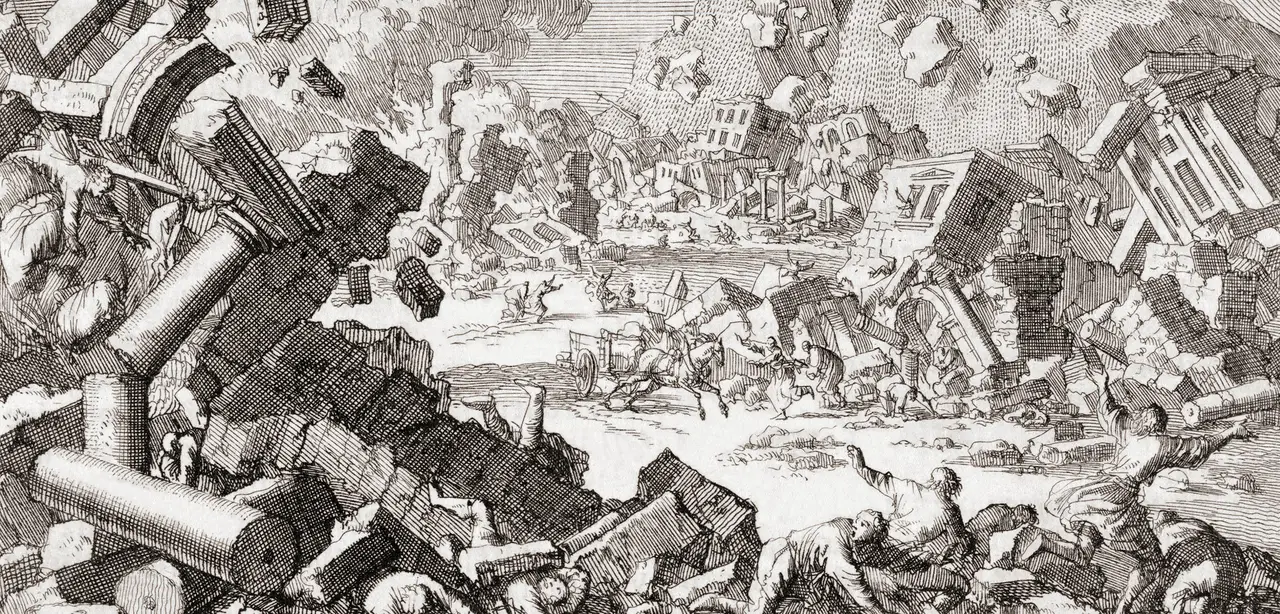
While Athens grew rich, Sparta grew anxious. The Spartan state was a unique military machine, entirely dependent on the labor of the Helots, a subject population of Messenians who farmed the land while the Spartan citizens trained for war. The fear of a Helot uprising was the constant nightmare of the Spartan psyche.
In the 460s, that nightmare became real. A massive earthquake devastated Laconia, killing thousands of Spartans. The Helots seized the moment to revolt, retreating to the stronghold of Mount Ithome. Desperate, the Spartans called for help from their allies, including Athens. The Athenians sent a force under the pro-Spartan general Cimon, but upon arrival, the Spartans, fearing the revolutionary spirit of the Athenians might infect the Helots, rudely sent them home. This diplomatic insult broke the peace between the two powers. It discredited Cimon and paved the way for more radical democrats, including Pericles, to take the helm. The "First Peloponnesian War" that followed was a messy, sporadic affair, but it set the stage for the cataclysm to come.
The War of the World
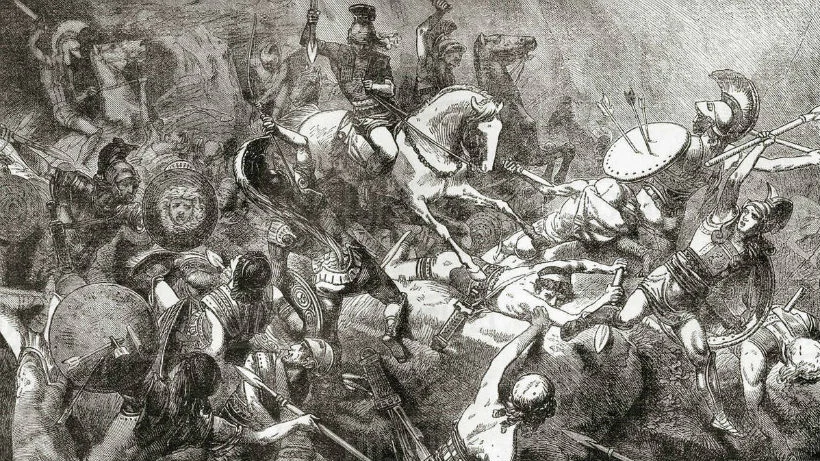
In 431 BC, the "truest cause" of war, as the historian Thucydides wrote, was Spartan fear of Athenian growth. The Peloponnesian War would last twenty-seven years, dragging the entire Greek world into a conflict of attrition. It was a war of elephant against whale. Sparta dominated the land; Athens ruled the sea.
Pericles' strategy was cold and rational: abandon the countryside of Attica to Spartan invaders and retreat behind the Long Walls that connected the city to the port of Piraeus. The empire would feed the city by ship. It might have worked, had nature not intervened. In 430 BC, a plague arrived on grain ships from the east. It ravaged the overcrowded city, killing perhaps a third of the population, including Pericles himself. The descriptions of the mass graves and the breakdown of law and order are harrowing. Yet, the war ground on.
We see the economic impact of this long struggle in the debasement of coinage and the emergency measures taken by the state. At one point, the Athenians melted down gold statues of Victory to mint coins, a desperate act of stripping the gods to save the city.
The war brutalized the Greeks. In 427 BC, after the revolt of Mytilene on Lesbos, the Athenian assembly voted to kill every adult male in the city and enslave the women and children. They rescinded the order the next day, sending a second trireme racing across the Aegean to catch the first before the sentence could be carried out. They were not so merciful to the island of Melos in 416 BC. When the Melians wished to remain neutral, Athens besieged them, executed the men, and enslaved the rest, asserting the chilling doctrine that "the strong do what they can and the weak suffer what they must."
The Sicilian Disaster
The turning point came not in Greece, but in the west. In 415 BC, seduced by the eloquence of the flamboyant aristocrat Alcibiades, Athens launched a massive armada to conquer Sicily. It was a staggering overreach. The expedition was doomed by indecision and the recall of Alcibiades (who promptly defected to Sparta). The Athenian fleet was trapped in the Great Harbour of Syracuse. The retreat by land was a slaughter. Thousands of Athenians were herded into the stone quarries of Syracuse, where they died of exposure and starvation. It was a loss of men and ships from which Athens could never fully recover.
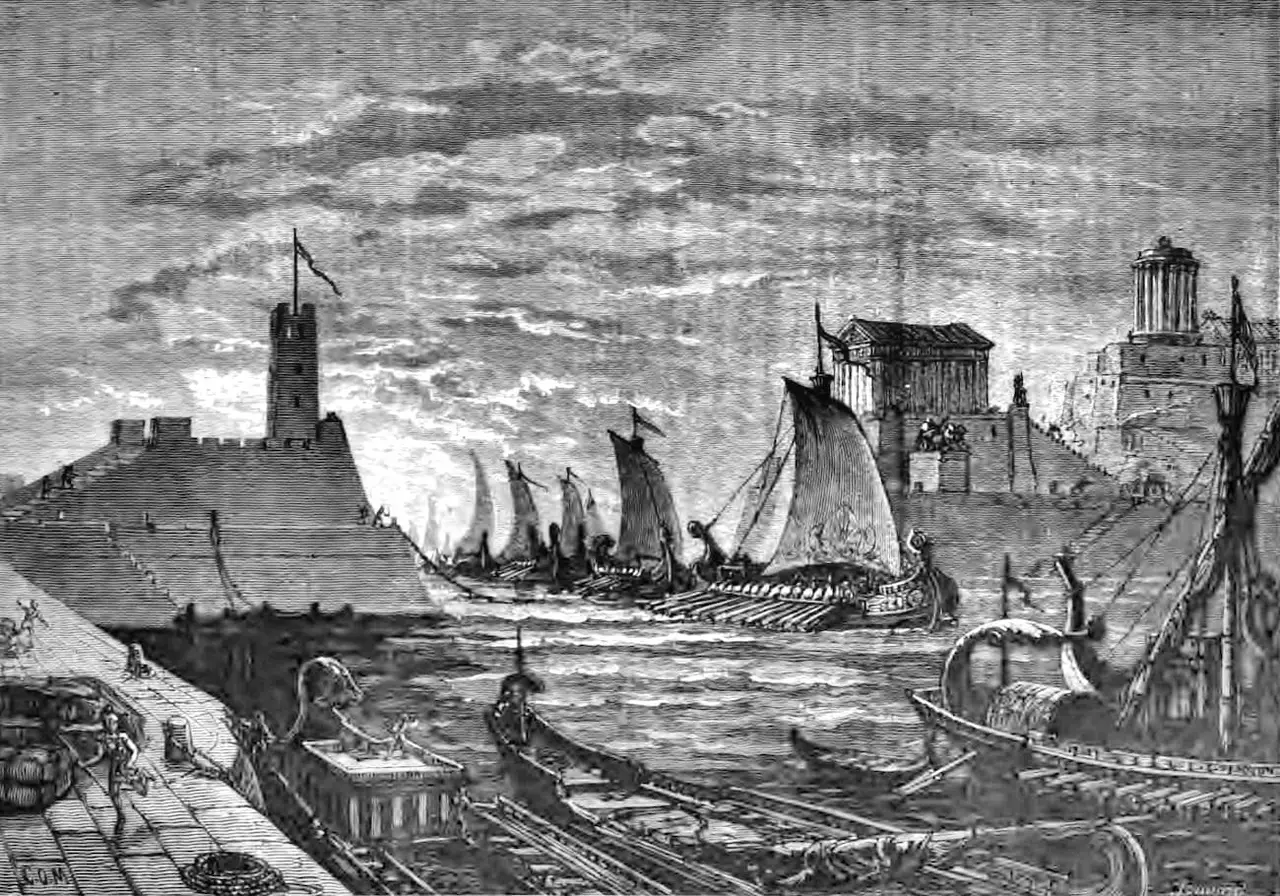
The Spartans, advised by the traitor Alcibiades, established a permanent fort at Decelea in Attica, choking Athens year-round. More critically, they finally looked east. To defeat the Athenian navy, Sparta needed money, and the only source of unlimited gold was the old enemy: Persia. In a pact that traded the freedom of the Ionian Greek cities for Persian gold, Sparta built a fleet. In 405 BC, at Aegospotami in the Hellespont, the Spartan admiral Lysander caught the Athenian fleet on the beach and destroyed it.
In 404 BC, a starving Athens surrendered. The Long Walls were pulled down to the sound of flute girls, and the empire was dissolved. The Classical Age of Athens was over, but the story of Greece was far from finished.
The Spartan Hegemony and the March of the Ten Thousand
The end of the war did not bring liberty. It brought a Spartan empire that was often harsher than the Athenian one. Spartan governors, called harmosts, were installed in cities, supported by oligarchic juntas. The "Thirty Tyrants" ruled Athens for a bloody year before democrats reclaimed the city, an event marked by a remarkable amnesty where the citizens swore not to remember past wrongs.
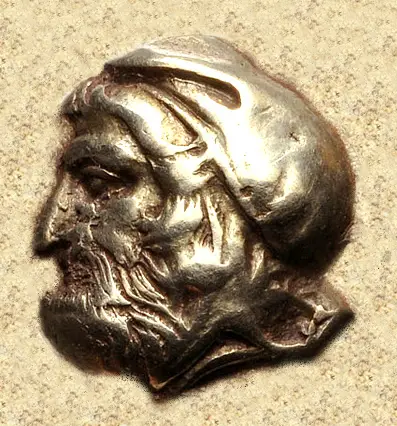
In the east, a singular event occurred that exposed the rot at the heart of the Persian Empire. In 401 BC, Cyrus the Younger, brother of the Persian King Artaxerxes II, hired thousands of Greek mercenaries (mostly veterans of the Peloponnesian War) to seize the throne. They marched deep into Mesopotamia. At the Battle of Cunaxa, the Greeks were victorious, but Cyrus was killed. Leaderless, the "Ten Thousand" had to fight their way north to the Black Sea through hostile territory. Their survival proved that Persian vastness was no match for Greek hoplite discipline, a lesson that was noted in the kingdom of Macedon.
The Rise of Thebes
Spartan dominance was brittle. Their citizen numbers were crashing; the "shortage of men" (oliganthropia) meant that by the early fourth century, there were scarcely a thousand full Spartan citizens left to police the world. Their arrogance alienated their old allies, Thebes and Corinth.
In 371 BC, the unthinkable happened. A Spartan army invaded Boeotia to punish Thebes. At the Battle of Leuctra, the Theban general Epaminondas unveiled a new tactic, stacking his left wing fifty men deep to smash the Spartan elite. The Spartans were broken. The Thebans invaded the Peloponnese, liberating the Helots of Messenia. It was a fatal blow. Without the Helot labor base, the Spartan military system collapsed. Thebes became the master of Greece, but their hegemony depended entirely on the genius of Epaminondas. When he died in battle at Mantinea in 362 BC, confusion reigned. As the historian Xenophon wrote, there was "more uncertainty and disturbance" after the battle than before.
The Northern Storm
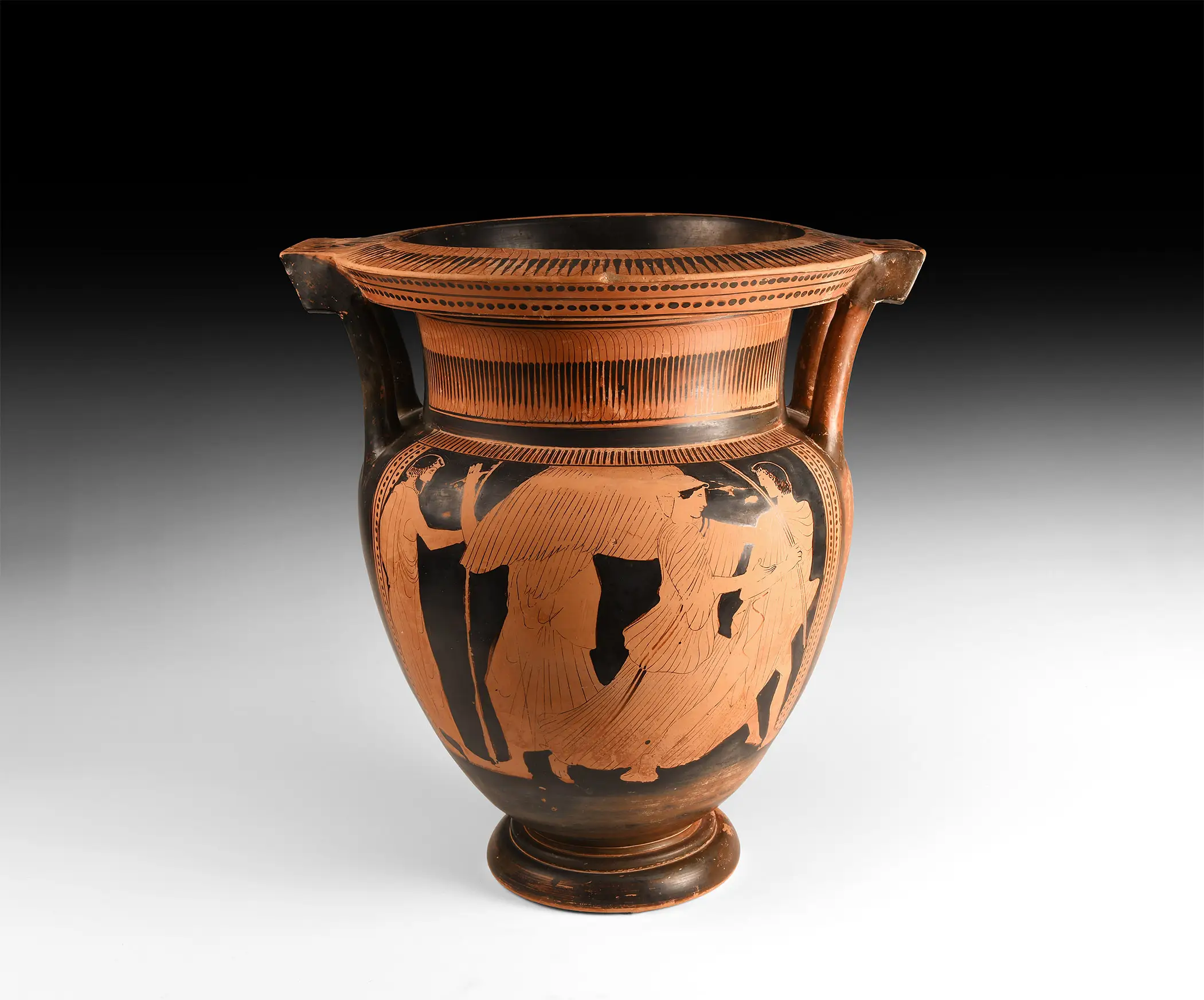
While the southern city-states exhausted themselves in endless shifting alliances, a new power was coalescing in the north. Macedonia had always been on the fringe of the Greek world, regarded by Athenians like Demosthenes as a land of semi-barbarians who drank their wine undiluted. But they had timber, horses, and gold.
In 359 BC, Philip II took the throne. He was a genius of organization and diplomacy. He transformed the Macedonian army, equipping his infantry with the sarissa, a pike up to 18 feet long that allowed his phalanx to outreach any hoplite formation. He combined this anvil with the hammer of heavy cavalry.
Philip played the Greek states against one another with masterful cynicism. He seized the gold mines of Mount Pangaeum, giving him the resources to bribe politicians and hire mercenaries. "No wall is so high," he is reputed to have said, "that a mule laden with gold cannot scale it." He intervened in the "Sacred Wars" over Delphi, posing as the pious defender of Apollo while expanding his influence south.
In Athens, the orator Demosthenes sounded the alarm, delivering his famous "Philippics" urging resistance. But others, like Isocrates, saw Philip as the strongman needed to unite Greece against Persia. The debate ended on the battlefield. In 338 BC, at Chaeronea, Philip destroyed the combined armies of Thebes and Athens. The era of the independent city-state was effectively dead. Philip forced the Greeks into the "League of Corinth," appointing himself leader for a grand crusade against Persia.
Alexander: The World Breaker
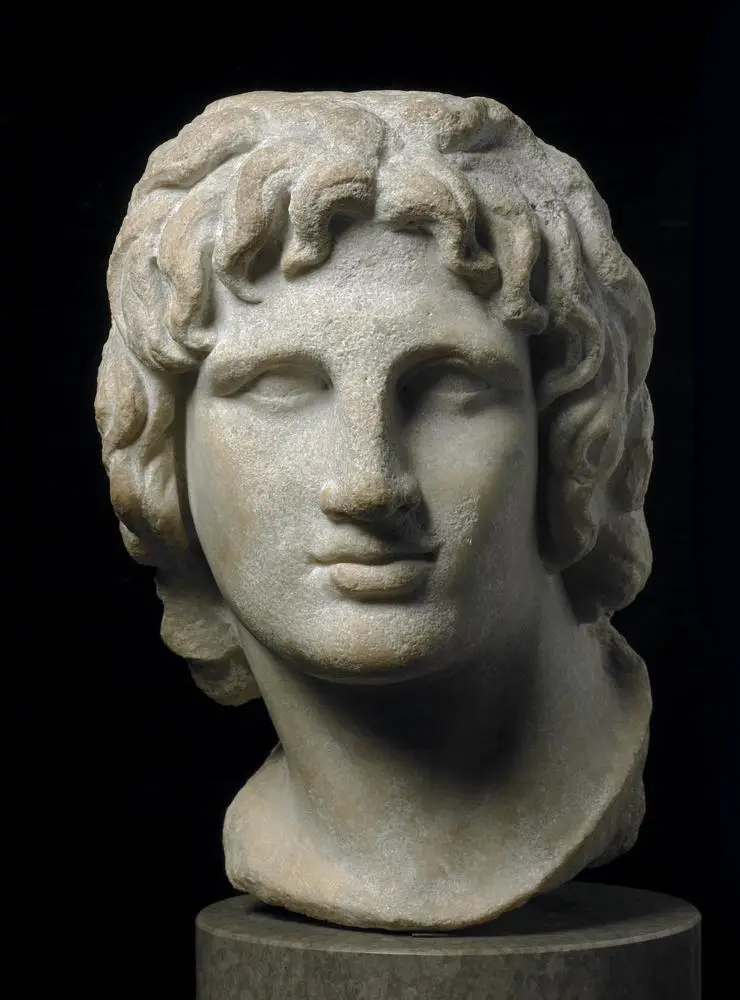
In 336 BC, Philip was assassinated at a wedding feast. He was succeeded by his twenty-year-old son, Alexander. Within two years, Alexander had secured his borders, crushed a Theban revolt (razing the city to the ground as a warning), and crossed the Hellespont into Asia.
The campaigns of Alexander are the stuff of legend, but we must ground them in the tangible realities of the time. The army he led was a precision instrument inherited from his father, but driven by his own manic energy. At the Granicus River, he nearly died in a reckless charge. At Issus, he routed King Darius III, capturing the Persian royal family. He marched down the Phoenician coast, besieging the island city of Tyre for seven months and building a causeway across the sea that still exists today as a sandbar.
In Egypt, he was crowned Pharaoh and visited the oracle of Zeus-Ammon in the desert, where the priests greeted him as the son of the god. This moment seems to have confirmed Alexander's belief in his own divinity, a conviction that would later alienate his Macedonian veterans. He founded Alexandria in the Nile Delta, the most successful of the many cities he would name after himself, destined to become the intellectual capital of the Mediterranean.
The final showdown came at Gaugamela in 331 BC. Despite being vastly outnumbered, Alexander's tactical brilliance shattered the Persian host. Darius fled, only to be murdered by his own satraps. Alexander was now the Lord of Asia.
The Fusion of East and West
Alexander didn't just conquer; he changed the texture of the world. He burned the great palace of Persepolis (archaeologists have found the layer of ash and the melted glass) an act of vandalism that signaled the end of the Achaemenid dynasty. Yet, he also began to adopt Persian dress and court rituals, attempting to fuse the Macedonian and Persian aristocracies. At Susa, he presided over a mass marriage of his officers to noble Persian women.
His march continued east, into modern Afghanistan and Central Asia, fighting brutal guerrilla wars. He crossed the Hindu Kush and descended into India, where he defeated Porus and his war elephants at the Hydaspes. But at the Hyphasis River, his soldiers refused to go further. They were tired, rich, and thousands of miles from home. Alexander sulked, but turned back. The return journey through the Gedrosian Desert was a disaster that cost thousands of lives, a rare strategic blunder born of hubris.
Back in Babylon, planning an invasion of Arabia, Alexander fell ill after a bout of heavy drinking. He died in June 323 BC, aged thirty-two. When asked on his deathbed to whom he left his empire, he whispered, "to the strongest."
The Legacy in Bronze and Clay
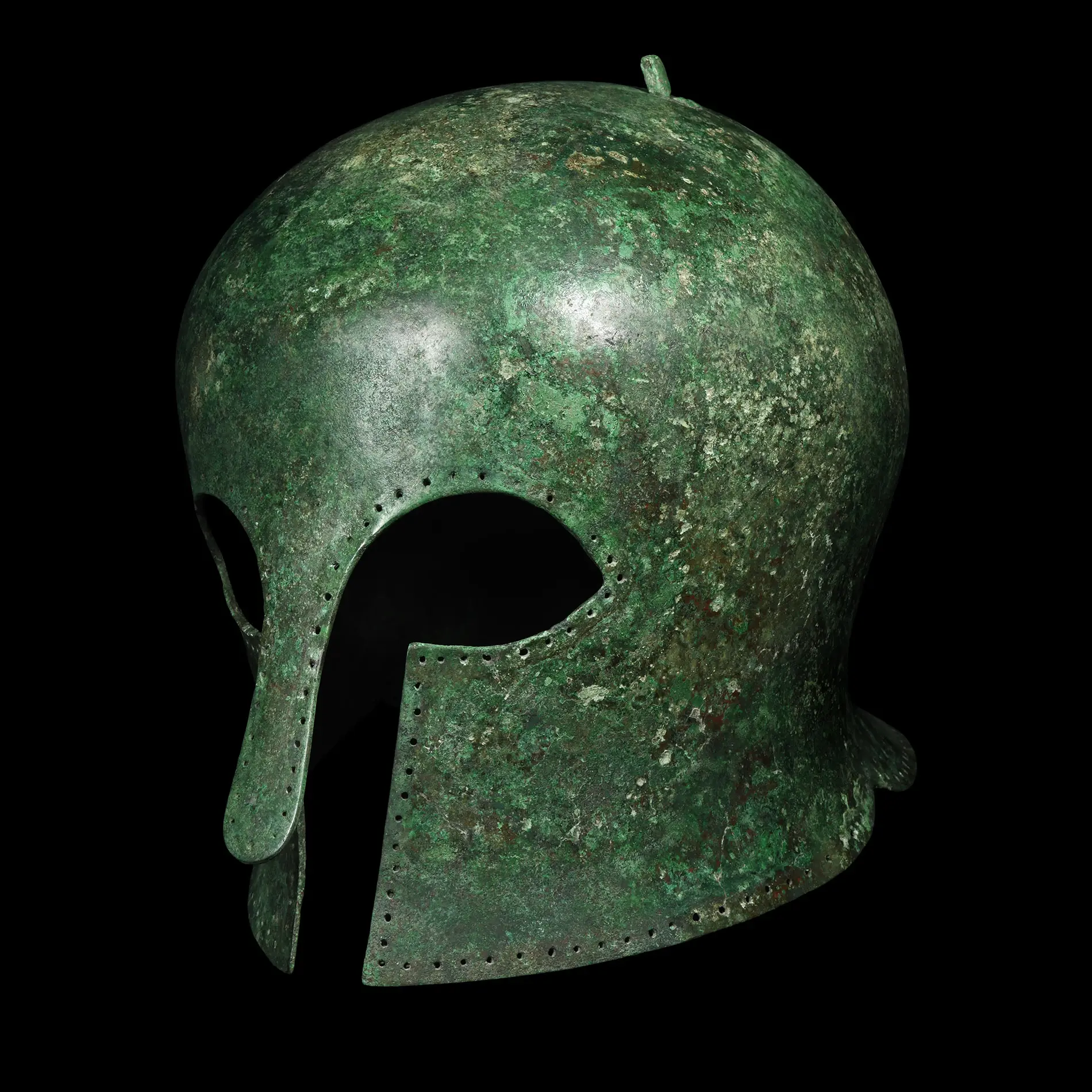
The period from the Persian Wars to the death of Alexander is a mere century and a half, yet it reshaped the human experience. It gave us the vocabulary of politics, philosophy, and art that we still use.
When we hold objects from this era, we are touching this narrative. A coin struck in Alexander's name features Heracles in the lion skin, a propagandistic claim to divine ancestry. A sherd of pottery from the Athenian Agora might bear the scratched name of a politician ostracized by the assembly. A bronze arrowhead speaks to the destructive power of the Macedonian army.
These artifacts are survivors. They have endured the rise and fall of hegemonies, the burning of cities, and the silence of centuries. They allow us to bypass the texts and make direct contact with the citizens, soldiers, and slaves who lived through these tumultuous years.
History is not just a record of what happened; it is the physical evidence that remains. In the weight of a drachma or the curve of a kylix, the Classical world is still very much alive.
TimeLine Auctions, 6th March 2026