Home > Stories by TimeLine Auctions
Stories by TimeLine Auctions
The Weight of Clay: Lives, Letters, and Legacies from the Ancient Near East
When Nanni Lost His Patience
Around 1750 BCE, in a cramped house in the city of Ur, a man named Nanni pressed his reed stylus into damp clay with barely concealed fury. The wedge-shaped marks he made were hurried, emphatic. His letter would travel across the city to a merchant named Ea-nasir, and it was not friendly.
"Who am I that you are treating me in this manner," Nanni wrote, "treating me with such contempt? I have written to you to receive my money, but you have neglected to return it."
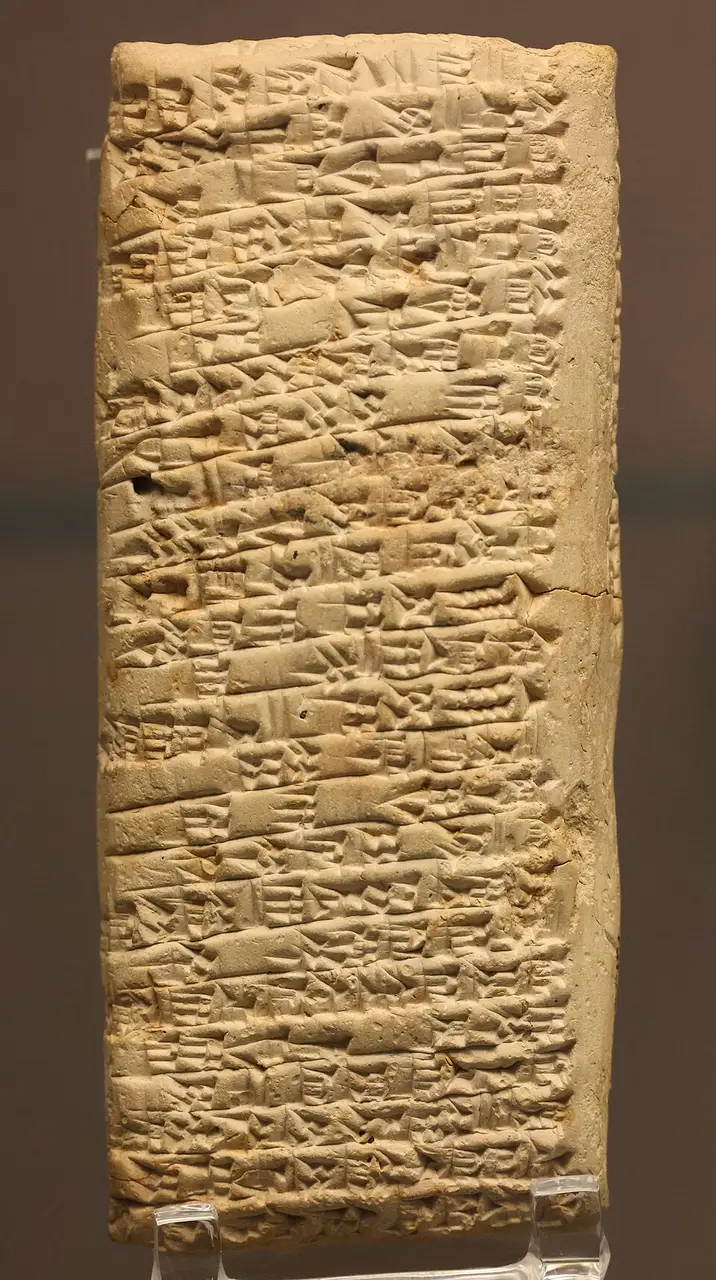
Nanni was not alone in his frustration. Ea-nasir's house, when excavated by archaeologists in the 1920s, yielded a remarkable archive: tablet after tablet of complaints from dissatisfied customers. The copper ingots he sold were inferior. The deliveries were late. The refunds never came. Ea-nasir, it seems, was phenomenally bad at his job.
What strikes us now, almost four thousand years later, is not the incompetence itself. Every age has its charlatans and its bunglers. What catches the breath is the recognition. Nanni's exasperation, his specific cadence of "I have written to you repeatedly and still nothing," could be lifted from any modern email thread with a vendor who has gone silent. The transaction was different: copper ingots rather than software licenses. But the human emotion, that particular cocktail of annoyance and bewilderment, remains perfectly preserved in baked clay.
This is what the ancient Near East offers to those who look carefully. Not a dead civilisation entombed behind museum glass, but thousands upon thousands of individual voices speaking across millennia about money troubles, family arguments, workplace grievances, and the ordinary texture of living.
Voices Pressed into Clay
The cuneiform writing system was invented in southern Mesopotamia around 3400 BCE, and it persisted for more than three thousand years. Scribes trained for years to master its hundreds of signs, pressing a reed stylus into wet clay at precise angles to create the distinctive wedge-shaped marks. They wrote contracts, letters, administrative records, hymns, myths, medical texts, mathematical problems, and shopping lists. They recorded what kings wanted remembered and, more often, what bureaucrats needed filed.
When we hold a cuneiform tablet in the cataloguing room at TimeLine, the first thing we notice is its heft. Even a small tablet has a satisfying weight, a density that modern paper cannot replicate. The clay was formed by human hands, smoothed flat, inscribed while still damp, and then either baked in a kiln or simply dried in the harsh Mesopotamian sun. We can sometimes see thumbprints along the edges where the scribe held the tablet steady. Occasionally, there are marks from the woven reed basket in which the clay once sat.
These are not relics in the usual sense. A relic is something left behind, something abandoned. These tablets were working documents, as practical and unromantic as a filing cabinet. And yet their very ordinariness is what makes them extraordinary. The shopping lists tell us what people ate. The contracts tell us how they married, divorced, hired workers, bought houses, sold slaves. The letters tell us how they felt about all of it.
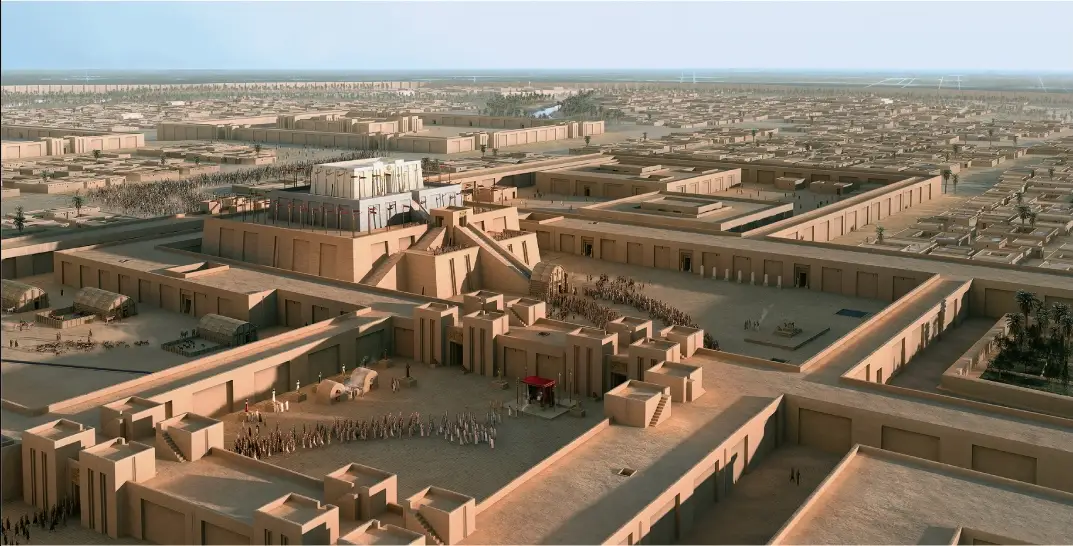
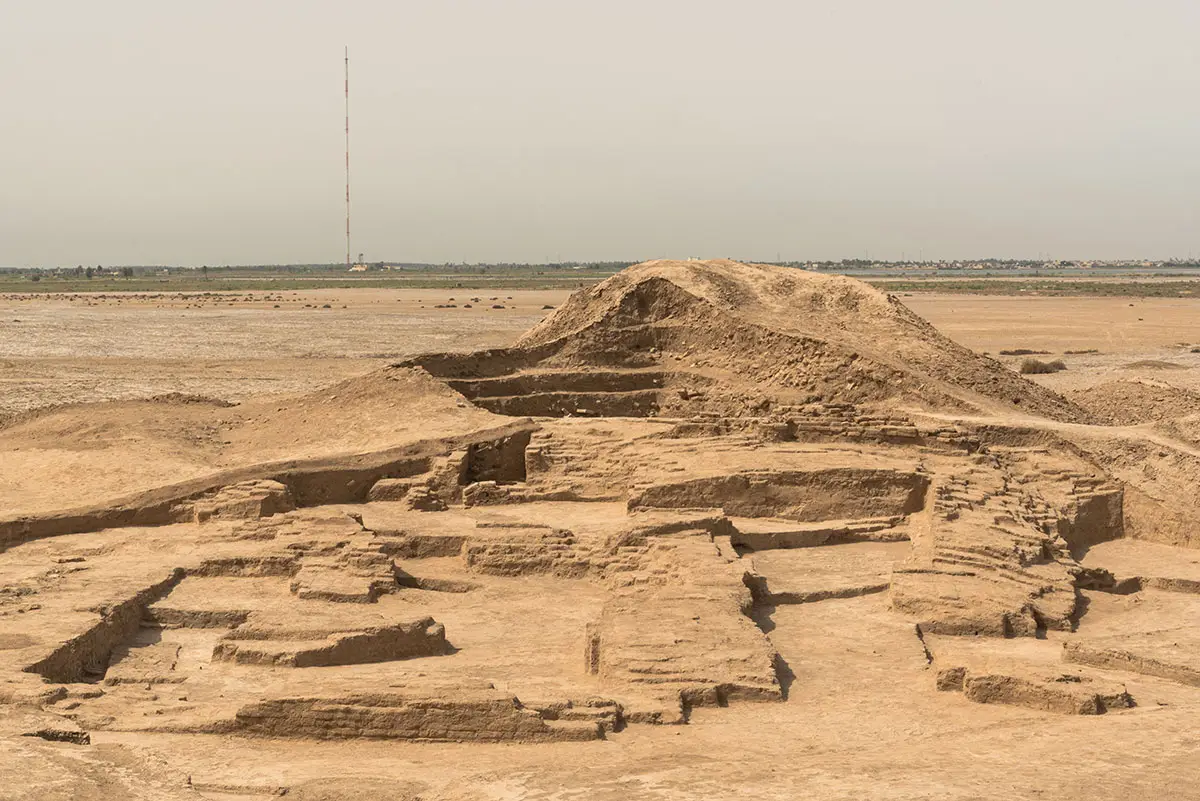
One such man, Kushim, appears on eighteen tablets found at the ancient city of Uruk, dating to around 3000 BCE. He is, quite possibly, the first named individual in recorded human history. He was not a king. He held the title "sanga," a temple administrator, and his job was to oversee a warehouse full of malt and cracked barley destined to become beer. His tablets are meticulous inventories: so many measures of malt received, so many disbursed, to whom, on what date. They are the records of a careful man doing his job well.
Kushim would have worked within the enormous Eanna temple complex in Uruk, walking its corridors, talking with other officials, counting jars, and thinking through delivery schedules. Beer was not a luxury in Mesopotamia; it was essential, safer to drink than river water and central to every meal. The goddess Ninkasi was devoted to it. Workers received daily beer rations. Rituals required it. Kushim's warehouse was as vital to the city as any granary.
We do not know how he died, whether he had children, whether he was content. All we have are his inventories. But they tell us something important: that by 3000 BCE, cities had grown complex enough to require written records, professional managers, and standardised measures. Kushim was part of a system that would spread across the Near East and, eventually, shape the administrative practices of every civilisation that followed.
The Weavers of the Queen's Palace
In the city of Girsu, around 2400 BCE, a woman named Zum sat at her loom in the queen's textile workshop. She was one of twenty women on her weaving team, all of them employed by the E-Mi, the "house of women" that served as both the queen's palace and a major economic institution. Their supervisor was a man named Malga, who distributed wool, checked quality, and kept the production schedules running.
Zum was the most senior weaver on her team. Her name appeared first on the ration lists, and she received more barley each month than the others: twenty-four silas (about twenty-four litres) compared to their eighteen. It was not much, but it was enough to mark her status. She had earned her position through years of skilled work at the horizontal ground-loom, producing the fine textiles for which southern Mesopotamia was famous.
The work was demanding. Scholars have calculated that a single piece of cloth the size of a modern single bedsheet required forty-seven kilometres of woollen thread, which would have taken 1,382 hours to spin using the hand-spinning technology of the era. The spinning was done by a separate department; Zum and her colleagues focused on the weaving itself. Day after day, they sat together in the palace workshops, the clack of the loom punctuating their conversation.
Textile production was one of the largest industries in ancient Mesopotamia. Nearly every woman knew how to spin and weave, and those who worked for the palace or temple were part of vast coordinated enterprises. The textiles they produced served multiple purposes: clothing for the royal family and temple personnel, diplomatic gifts to foreign courts, and export goods traded across enormous distances. Fine Mesopotamian cloth was known from Egypt to the Indus Valley.
Over the years that we can track through the ration lists, Zum's career progressed. At some point, the scribes stopped listing her among the weavers and began recording her as a supervisor. She had risen through the ranks. The women who once sat beside her at the loom now worked under her direction.
These records survive because the palace administration was meticulous. Every measure of wool distributed, every sila of barley paid out, every worker's name was inscribed on clay tablets and filed in the palace archives. When the city eventually fell and the palace was abandoned, the tablets remained, buried under the rubble, waiting for archaeologists to find them more than four thousand years later.
When we encounter ancient textiles at TimeLine, whether preserved fragments from the dry sands of Egypt or impressions left in corroded metal, we are seeing the end product of this vast industry. Every thread was spun by hand; every weave was set on a loom by women like Zum.
Inside the Palace at Mari
The palace at Mari, on the middle Euphrates in what is now Syria, was one of the wonders of the ancient world. It covered six acres and contained more than three hundred rooms on the ground floor alone, with a second storey above. When excavated in the twentieth century, some of its walls still stood five metres high, and its sophisticated drainage system, incredibly, still functioned.
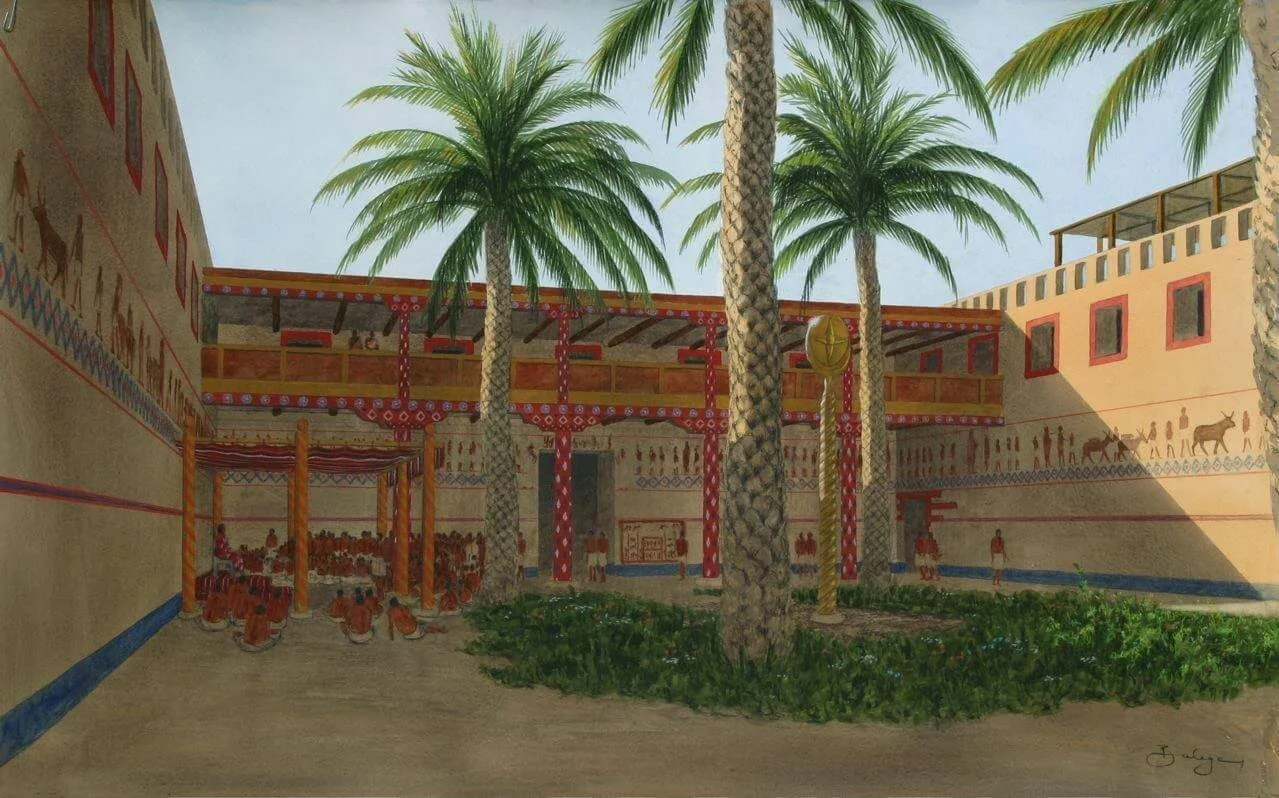
The first courtyard was vast, about the size of four basketball courts, its walls gleaming white under the Syrian sun. Nine doorways led from this public space into the more private quarters beyond. To the left lay the kitchens, where cooks prepared feasts for hundreds of guests. Straight ahead stood the entrance to an audience hall, approached by a semicircular stairway, where the king periodically appeared before the crowds gathered in the courtyard.
But the most spectacular rooms lay deeper within the palace, past a heavily guarded door and down a long, dimly lit corridor. The palace had no windows; natural light came only through doorways from the courtyards, so the experience of moving through the building was one of constant contrast between brilliant sunshine and deep shadow.
At the end of the corridor, visitors emerged into the "Palm Court," a second great courtyard planted with date palms and decorated with brilliantly coloured frescoes. One dramatic painting showed a king receiving the symbols of authority from the goddess Ishtar. Lions, bulls, and fantastic creatures paraded across the walls in vivid blues, reds, and yellows. Nearly lifesize fountains shaped like goddesses stood in the courtyard, water coursing from the pitchers in their hands.
Beyond the Palm Court lay the throne room, the largest space in the palace. At one end stood a raised platform supporting antique statues of past kings of Mari, rulers who had died centuries earlier but whose carved images still held power and still received ritual offerings. At the opposite end stood the king's throne, itself a work of art, though no example has survived.
The king who resided here in the eighteenth century BCE was named Zimri-Lim. His reign lasted only thirteen years, but those years produced one of the richest documentary archives in Mesopotamian history. Thousands of clay tablets were found in the palace, recording everything from diplomatic correspondence with foreign kings to the allocation of wine for banquets.
Among those documents are the letters and records of Zimri-Lim's twelve wives, his many daughters, and the palace women who served them. One such woman was a musician named Bazatum, who had grown up in the palace as part of an ensemble of young female performers. She played music at ceremonies and rituals, including the elaborate festivals dedicated to the goddess Ishtar.
When Bazatum came of age, she was married to one of the king's most powerful officials, a man named Sammetar who lived on an estate near the city of Terqa. She moved from the bustling palace to the countryside, took charge of a textile workshop staffed by four male supervisors, and lived far from the friends she had known since childhood.
The marriage was complicated. Sammetar already had a wife, a woman named Karanatum, which was unusual in a society where monogamy was the norm for everyone except the king. Even more unusually, the documents suggest that Bazatum, the second wife, ranked higher than Karanatum, the first. Perhaps Bazatum came from a royal family. Whatever the reason, the household dynamics cannot have been easy.
Bazatum's friendship with another musician from the palace, a woman named Beltani who had married the king himself, seems to have continued after both women left the ensemble. When Beltani needed someone to safeguard her jewellery box, she chose Bazatum. Perhaps they found ways to meet when Bazatum travelled to Mari, catching up on the years since they had played music together as girls.
Then Sammetar fell ill. He wrote to the king apologising for missing an important festival; he was too sick to travel. Not long afterward, a priestess close to the family sent a terse message to Zimri-Lim: "A young officer informed me that Sammetar has died. My Star should know that."
What happened to Bazatum after her husband's death, we do not know. The documentary record goes silent. But for a few years, we can see her clearly: a young woman moving from the brilliant courtyards of the palace to a country estate, taking on responsibilities she had never expected, maintaining old friendships across distance, and then losing the husband she had been given.
The World's First Named Author
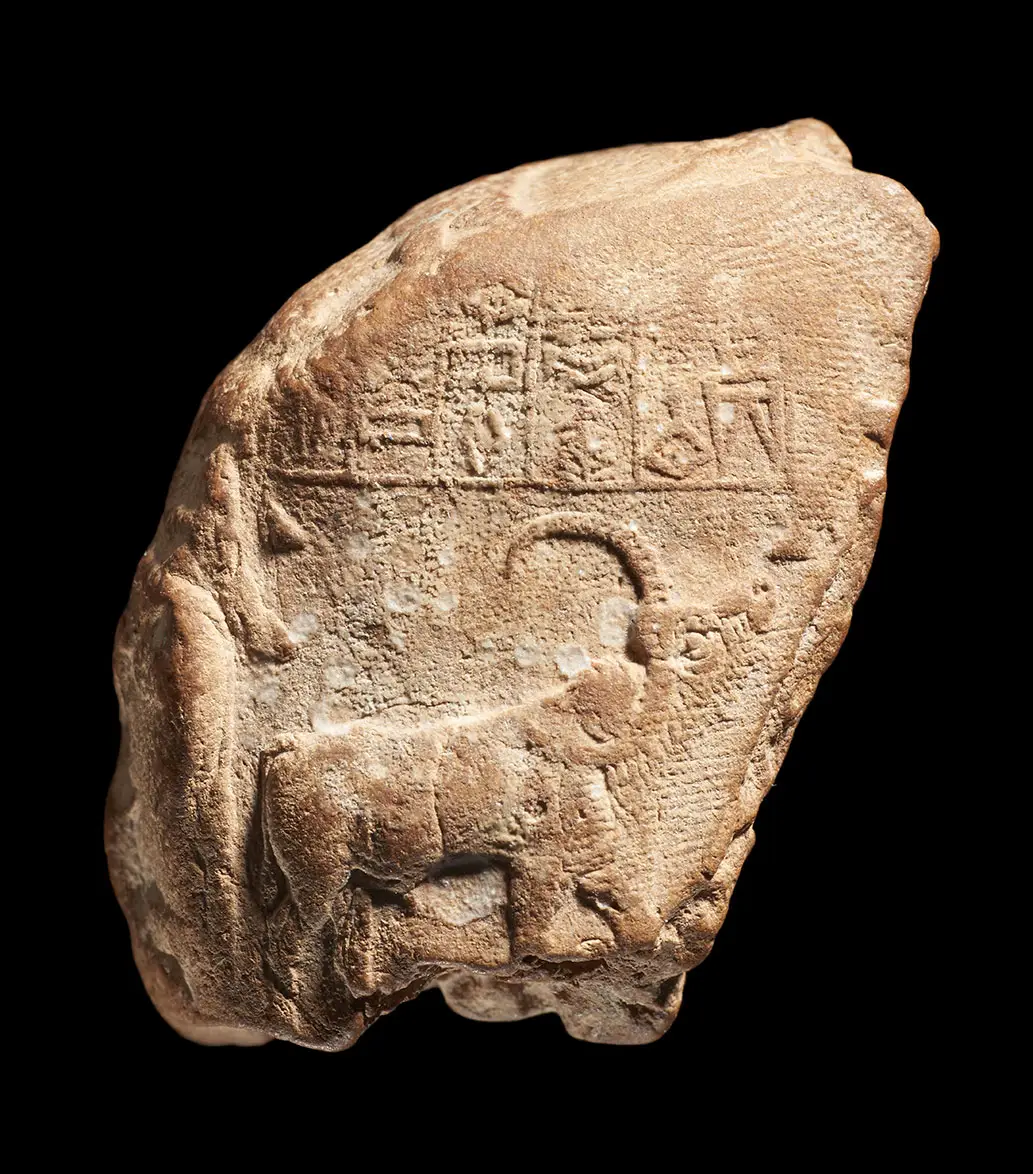
Around 2300 BCE, in the city of Ur, a man named Kitushdu pressed his cylinder seal into a lump of clay attached to a jar, probably in a temple storeroom. The task was mundane, something he did regularly: sealing containers to show who had last opened them. Within hours, he had likely forgotten this particular jar entirely.
The clay sealing survived. It is tiny, barely 2.5 centimetres by 4 centimetres, but the impression it preserves is exquisite: a beautifully sculpted water buffalo and an inscription. The inscription reads:
Enheduana, daughter of Sargon Kitushdu, the scribe, (is) her servant.
The princess named on the seal is the reason Kitushdu's mundane act has meaning today. Enheduana is considered by many scholars to be the world's first identified author: the first person to put her name to a work of literature. Her hymns to the goddess Inana were copied and studied by scribes for hundreds of years after her death, taught in scribal schools as exemplary texts. We have her name, her face (carved on a damaged but recognisable alabaster disc), and her words.
Enheduana was the daughter of Sargon of Akkad, the first empire builder, who conquered the Sumerian city-states and united Mesopotamia under his rule around 2334 BCE. Sargon appointed Enheduana as en-priestess of the moon god Nanna at Ur, a position that made her one of the most powerful women in the empire. The en-priestess was, in a sense, the divine spouse of the god; she performed rituals, oversaw temple estates, and served as a living connection between the human and divine worlds.
She must have been young when she arrived at Ur, perhaps in her late teens, expected to take a vow of chastity befitting a bride of a god. She lived through the reigns of her father, her brothers, and into the reign of her nephew Naram-Sin, who faced a massive rebellion around 2230 BCE. A rebel leader named Lugal-ane marched into the temple, stripped Enheduana of her crown, and drove her into exile.
In her hymn "The Exaltation of Inana," Enheduana described what happened next: "He made me fly like a swallow from the window; I have exhausted my life-strength. He made me walk through the thorn bushes of the mountains. He stripped me of the rightful crown of the en-priestess. He gave me a knife and dagger, saying to me 'These are appropriate ornaments for you.'"
We can almost feel those thorn bushes tearing at her fine robes as she wandered through hostile territory. The knife and dagger were either an invitation to suicide or a bleak acknowledgment that exiles must defend themselves. That she survived at all seems remarkable. Her hymn credits the goddess Inana with her salvation, but the practical mechanism was her nephew's victory over the rebels. Naram-Sin crushed the revolt, Lugal-ane disappeared from history, and Enheduana returned to her position at Ur.
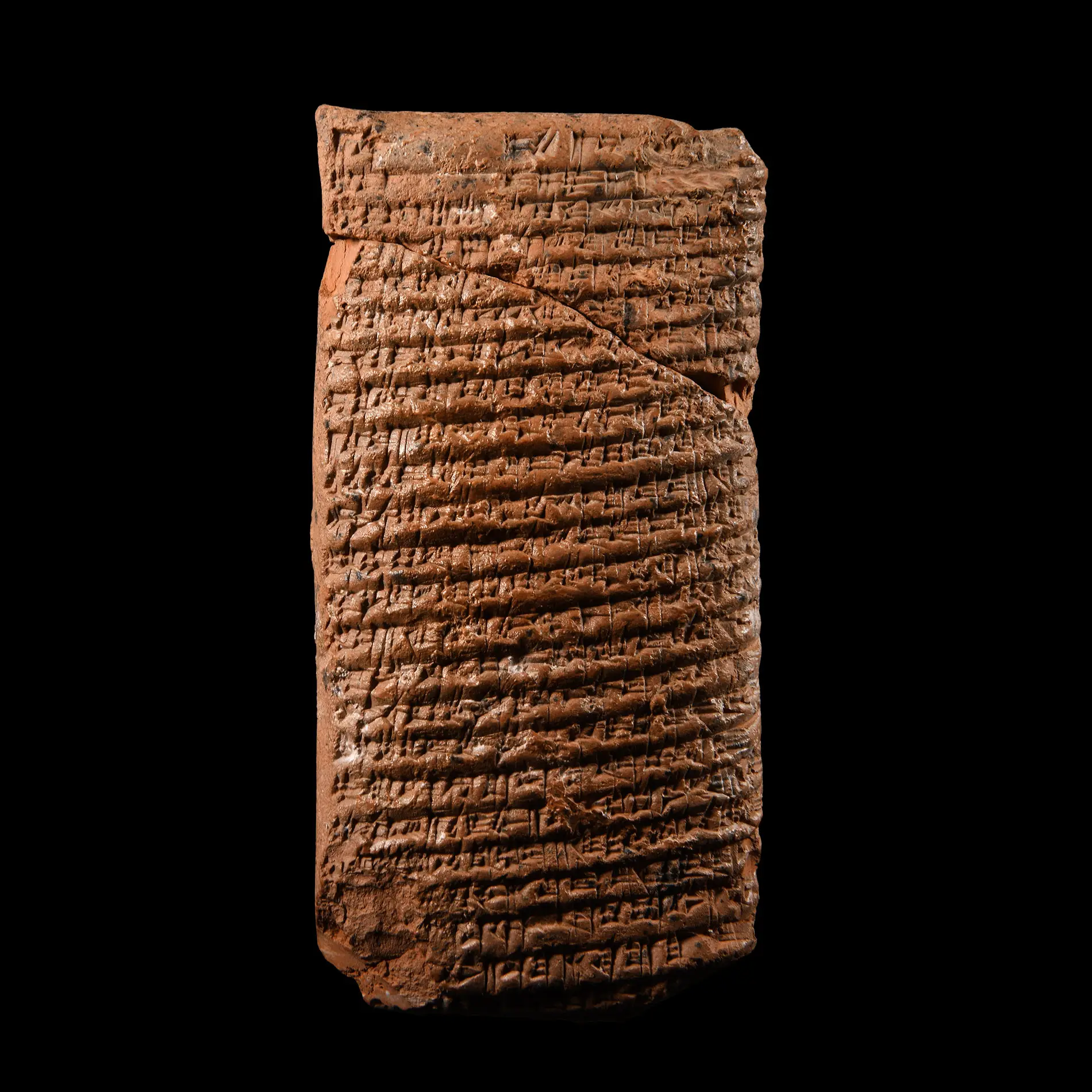
Her hymns continued to be copied for centuries. One ancient scribe, perhaps five hundred years after her time, carefully inscribed her "Exaltation of Inana" onto three identically sized tablets, fifty-one lines on each, for his personal library. The emotion in her words still resonates: fear, fury, loneliness, and finally, gratitude for divine intervention. "At your battle-cry, my lady, the foreign lands bow low," she wrote of Inana. "When humanity comes before you in awed silence at the terrifying radiance and tempest, you grasp the most terrible of all the divine powers."
Enheduana was not unique in her prominence. The early third millennium BCE was an era when women held real power in government and religion. Queens advised their husbands, managed vast estates, performed essential rituals, and appeared as equals to kings in official artworks. Priestesses controlled temple wealth and served as conduits between humans and gods. One cannot write the history of this period without them.
This began to change after Enheduana's era. Royal women continued to wield influence, but they gradually disappeared from artworks depicting rituals and ceremonies. The world in which a queen's wedding was more important to legitimacy than a king's coronation, the world that Enheduana inhabited, eventually passed.
Princesses at the Crossroads of Empires
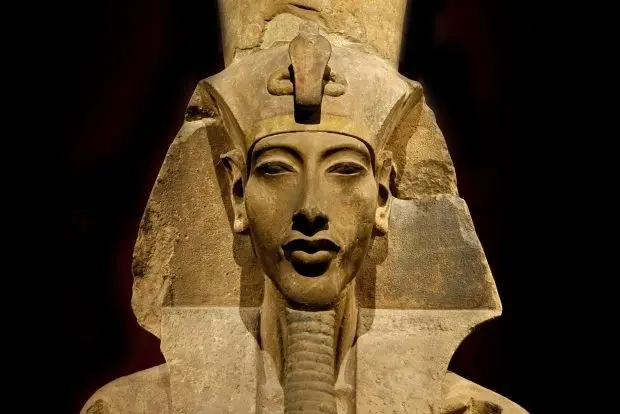
Around 1350 BCE, a Babylonian princess whose name has been lost to us made the long journey from her father's court to Egypt. She was to marry the pharaoh Akhenaten, joining his household of foreign wives, each one the daughter of a great king. Her father, Burna-Buriash II, had protested that the escort sent to collect her was insufficiently grand (only five chariots when her aunt had been accompanied by three thousand soldiers), but the slight was eventually smoothed over with extravagant gifts.
The princess entered one of history's most extraordinary courts. Akhenaten had transformed Egyptian religion, closing most temples and declaring that only his beloved sun god, Aten, should be worshipped. He had built an entirely new capital city at Amarna and moved his court there, foreign wives and all. Each princess had brought hundreds of attendants from her homeland. The palace must have hummed with languages from across the known world.
Yet the Babylonian princess would have been largely invisible. Akhenaten's chief wife, Nefertiti, was virtually his co-ruler, and the foreign wives existed in her shadow. The princess's aunt, who had married an earlier pharaoh, had been so inconspicuous that the king was not even certain which wife she was, or whether she was still alive, when her brother wrote to inquire.
Another of Burna-Buriash's daughters took a different path. She married Suppiluliuma I, the aggressive king of Hatti (the Hittites), and found herself at the centre of a political storm. Suppiluliuma had agreed, remarkably, to demote his long-standing chief wife so that the Babylonian princess could assume the top position. This was extraordinary: the demoted queen, Henti, was the daughter of the previous Hittite king, and Suppiluliuma had likely claimed the throne through his marriage to her.
The Babylonian princess, now bearing the title Tawananna (the traditional name for the Hittite great queen), arrived into a court seething with resentment. She was young, foreign, and blamed for the exile of a beloved queen. Yet she held her ground. She was appointed to a priesthood and given control over considerable resources. Her enemies could do nothing while the king lived.
Her stepson Mursili II, who eventually succeeded his father, despised her. His accounts are the main source for her story, and they drip with contempt. But reading between the lines, we see a woman who survived in hostile territory for decades, navigating political dangers with skill, and never surrendering the position she had been given.
These royal women were pawns in a diplomatic system that treated marriage as alliance-building, their bodies traded for peace treaties and trade agreements. But they were not passive pieces on a board. They corresponded with their families, retained their own households, brought their own cultures into foreign courts, and sometimes wielded real power.
The era of the Late Bronze Age great kings (roughly 1500 to 1200 BCE) was remarkable for its interconnectedness. Egypt, Hatti, Mittani, Babylonia, and Assyria maintained complex diplomatic relationships, exchanging gifts, insults, princesses, and threats in roughly equal measure. The letters they sent each other, preserved in archives at sites like Amarna in Egypt, reveal a world of sophisticated statecraft. Kings called each other "brother," complained about insufficient gold shipments, and negotiated treaties with the help of professional scribes who could write in multiple languages.
The trade networks of this era moved tin, textiles, copper, gold, lapis lazuli, ivory, and countless other goods across thousands of kilometres. Mycenaean pottery from Greece appeared in Egypt; Egyptian objects turned up in Anatolia; Mesopotamian cylinder seals made their way to distant trading posts. It was a globalised world, in its way, centuries before the common era.
Then, around 1200 BCE, it all collapsed. One civilisation after another fell, victims of some combination of climate change, famine, invasion, and systemic failure. The palace economies that had sustained the great kingdoms disintegrated. Trade networks broke down. Writing itself became rare in some regions. The world that had produced the royal correspondence of the great kings simply ceased to exist.
The Royal Graves at Ur

In the 1920s, the archaeologist Leonard Woolley excavated a cemetery at Ur that contained some of the most spectacular grave goods ever discovered. Gold, silver, lapis lazuli, and carnelian adorned the bodies of kings and queens who had died around 2500 BCE. Musical instruments, gaming boards, jewellery, and weapons accompanied them into the afterlife.
One object has become iconic: the "Standard of Ur," a rectangular box about the size of a legal pad, its surfaces covered in mosaic scenes made of shell figures set against deep blue lapis lazuli. On one side, the artist depicted a time of peace. Rows of servants and animals walk in orderly procession, bearing goods toward a seated king who presides over a banquet. Musicians play; cups are raised; all is harmony and plenty.
On the other side, the mood shifts to war. Chariots roll over the bodies of the fallen enemy, their donkeys galloping faster as the battle progresses from left to right. Soldiers in identical capes march prisoners toward the king, who stands tall, mace in hand, ready to receive them.
The Standard was found in the corner of a tomb that had otherwise been thoroughly looted in antiquity. It lay near the skull of a man who had been buried wearing a cap decorated with thousands of tiny lapis lazuli beads. Whatever treasures the robbers took, they left this behind, and it tells us something important about how the kings of Ur understood themselves: as rulers who commanded both peace and war, who brought order to their world through strength and generosity.
But the royal tombs held more than treasure. Many of the graves contained multiple bodies, dozens of people who had not died of natural causes. The excavations revealed court attendants, soldiers, musicians, and ox-drivers, all apparently killed at the time of the royal funeral and buried alongside their master or mistress.
The details of these deaths remain debated. Some scholars believe the attendants drank poison willingly, understanding themselves to be accompanying their ruler into the afterlife. Others are less certain. What we know is that this practice, if it ever was common, did not persist. Later royal funerals in Mesopotamia did not include human sacrifice.
Priestesses Who Managed Empires
In the city of Sippar, during the reign of Hammurabi in the eighteenth century BCE, there existed an institution unlike anything in modern experience. It was called the gagum, and it housed communities of women known as naditums, who had been dedicated in childhood to the sun god Shamash and his divine wife Aya.
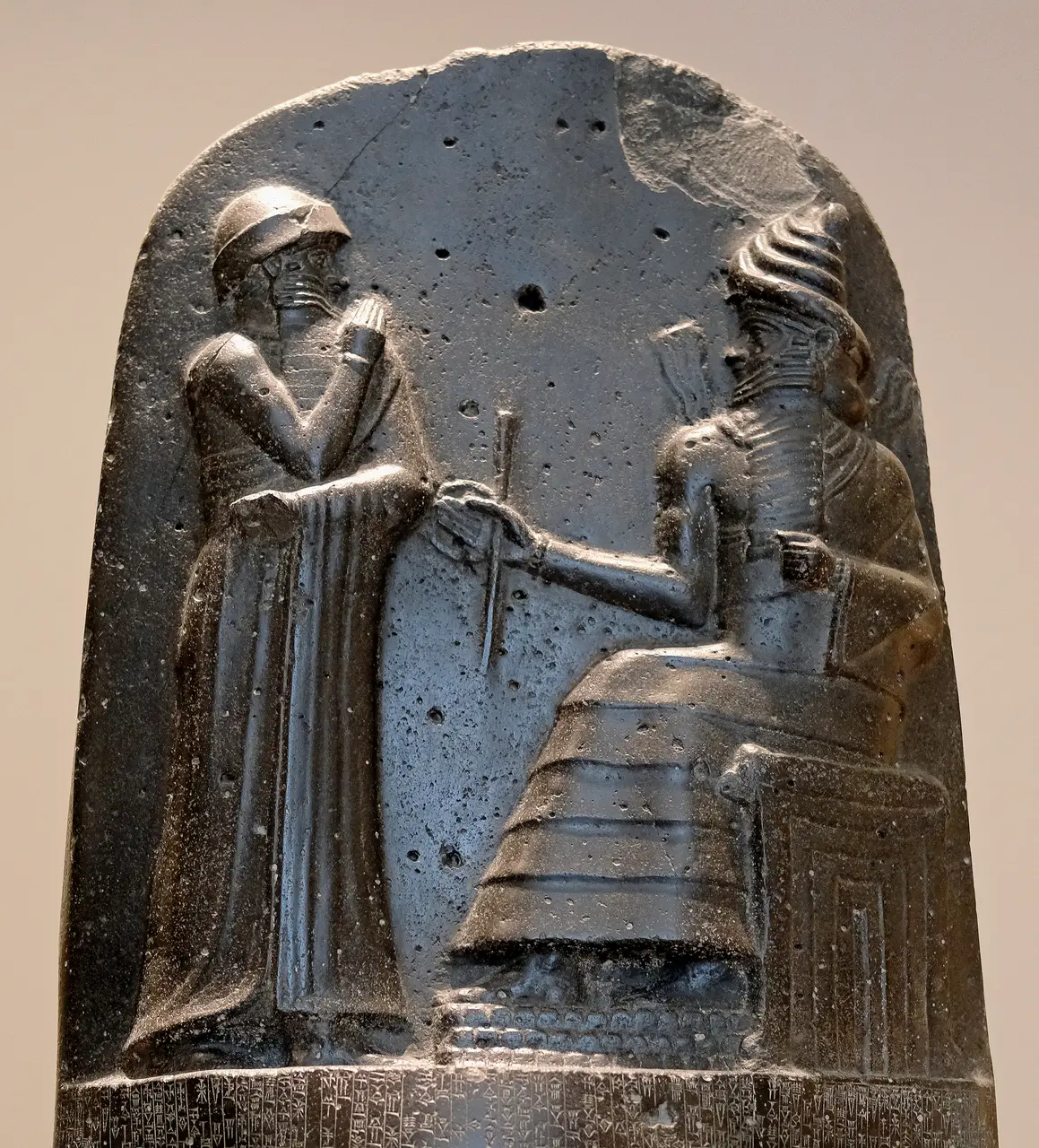
These women did not marry. They did not bear children. But they were not cloistered in the way that later religious communities would be. They owned property, made loans, managed investments, took people to court, and conducted business with a vigour that made them major economic players.
One naditum named Shat-Aya was given a staggering dowry when she entered the gagum: five fields, an orchard with a tower, a large house, a tavern, several shops on the main street of Sippar, nearly five kilograms of silver, nine kilograms of copper, oxen, cows, sheep, household goods, and twenty slaves. She was expected to manage this wealth, increase it, and support her family through her prayers to the god.
Because naditums did not have children, their wealth reverted to their brothers' families upon their deaths. This arrangement meant that dedicating a daughter to the gagum was, in a sense, an investment. A naditum could grow her family's wealth through careful management while also providing spiritual protection through her privileged access to the god.
Many naditums learned to read and write, and quite a few of their contracts bear no scribe's name because they wrote the documents themselves. Some even taught literacy to others.
The gagum itself was not a cloister but a neighbourhood. Recent excavations have revealed that naditums lived in houses scattered among other residents, their archives intermingled with those of their brothers and other family members. They were part of the city's fabric, not separated from it.
Their religious duties involved prayer and sacrifice. Family members who wanted Shamash's protection would send gifts to their naditum relatives and ask for intercession with the god. One naditum named Amat-Shamash wrote to her sister Iltani, the queen of a distant kingdom, complaining that Iltani had never asked for prayers and had therefore never sent any gifts. "You never have a jar of good oil sent to me," she grumbled, "anything at all."
In the same letter, Amat-Shamash requested help obtaining new slaves. The ones her father had given her as part of her dowry had grown old. She wanted "slaves who have recently been captured and are tough." She sent some fine white wool and a basket of shrimps in exchange.
This is the ancient Near East at its most vivid: a celibate priestess haggling over slave purchases, maintaining business relationships with royal relatives, and grumbling about the stinginess of her own sister. These were not ethereal figures floating above daily life. They were practical women navigating complex social and economic terrain with skill and, sometimes, irritation.
The Long Road from Ashur to Anatolia

Around 1900 BCE, merchants from the city of Ashur, in what is now northern Iraq, established one of history's earliest long-distance trading networks. They transported donkey caravans laden with tin and textiles across hundreds of kilometres of mountains and plains to reach trading colonies in Anatolia, in what is now Turkey.
The main destination was a place called Kanesh, where Assyrian merchants maintained a commercial quarter outside the walls of the Anatolian city. They called this quarter the karum, the same word used for a commercial harbour. From Kanesh, they traded their tin and textiles for silver and gold, which they sent back to Ashur.
The business was family-based. A merchant in Ashur would organise a caravan, purchasing tin (which had probably come from as far away as Afghanistan) and commissioning textiles from his wife and female relatives. The women wove the cloth at home, creating specific types that were popular in Anatolia. Then the merchant's sons, brothers, or business partners would lead the donkey trains on the long journey north.
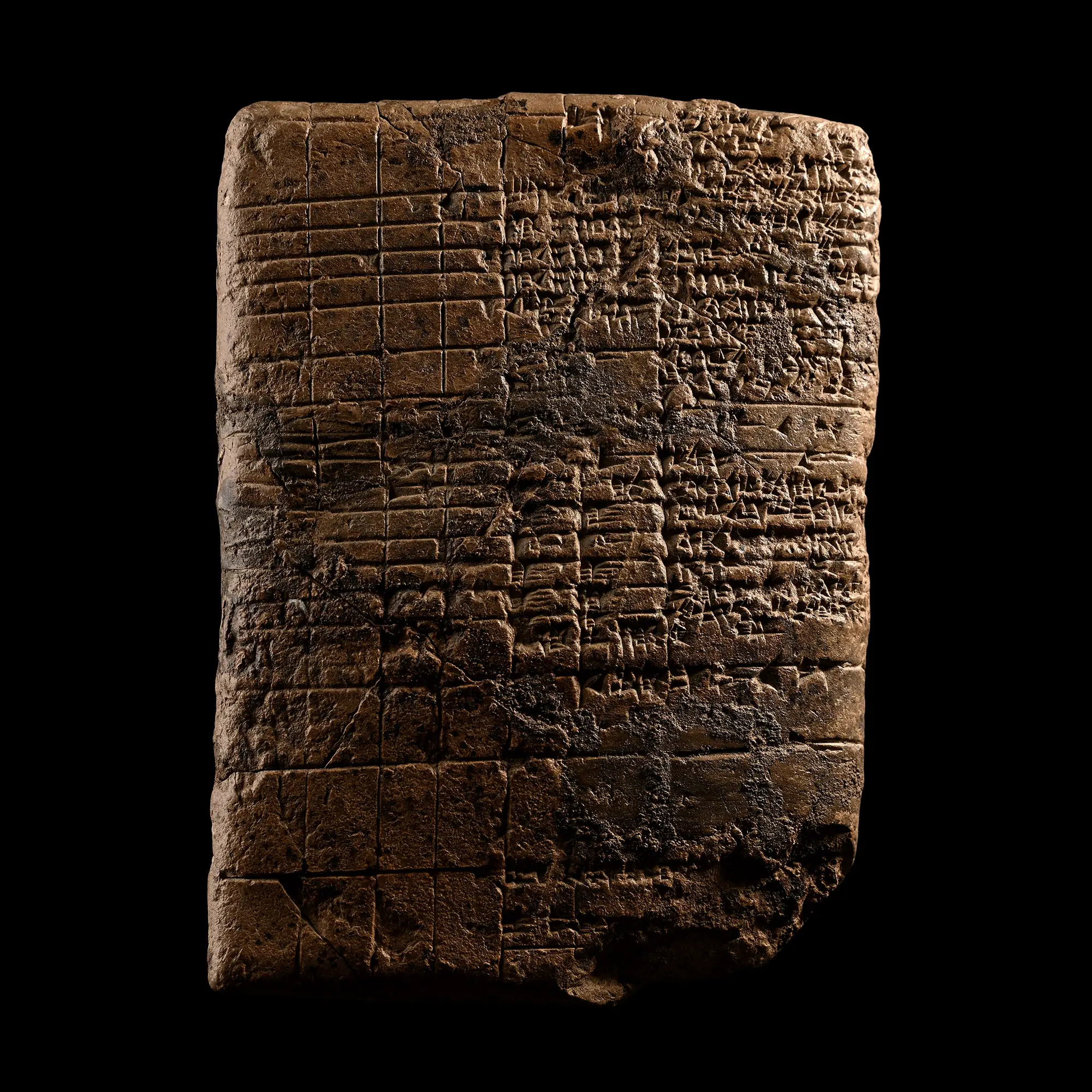
Letters flowed constantly between Ashur and Kanesh, carried by messengers who made the journey regularly. They discussed prices, complained about partners, nagged about debts, and sent personal news. A wife might chide her husband for staying too long in Anatolia. A mother might worry about her son's health on the road. A partner might report suspiciously on a colleague's activities.
The textiles that formed such a large part of this trade were produced overwhelmingly by women. The wives and daughters of merchants wove in their homes, creating the cloth that their husbands and fathers would sell. The system depended on female labour, though the profits largely enriched the men who controlled the trading operations.
This network flourished for about two hundred years before collapsing in the aftermath of political upheavals in Anatolia. But while it lasted, it created one of the largest documentary archives from any ancient trading society. Thousands of cuneiform tablets have been found at Kanesh, recording the intricate details of a commercial system that anticipated, in many ways, the trading networks of later centuries.
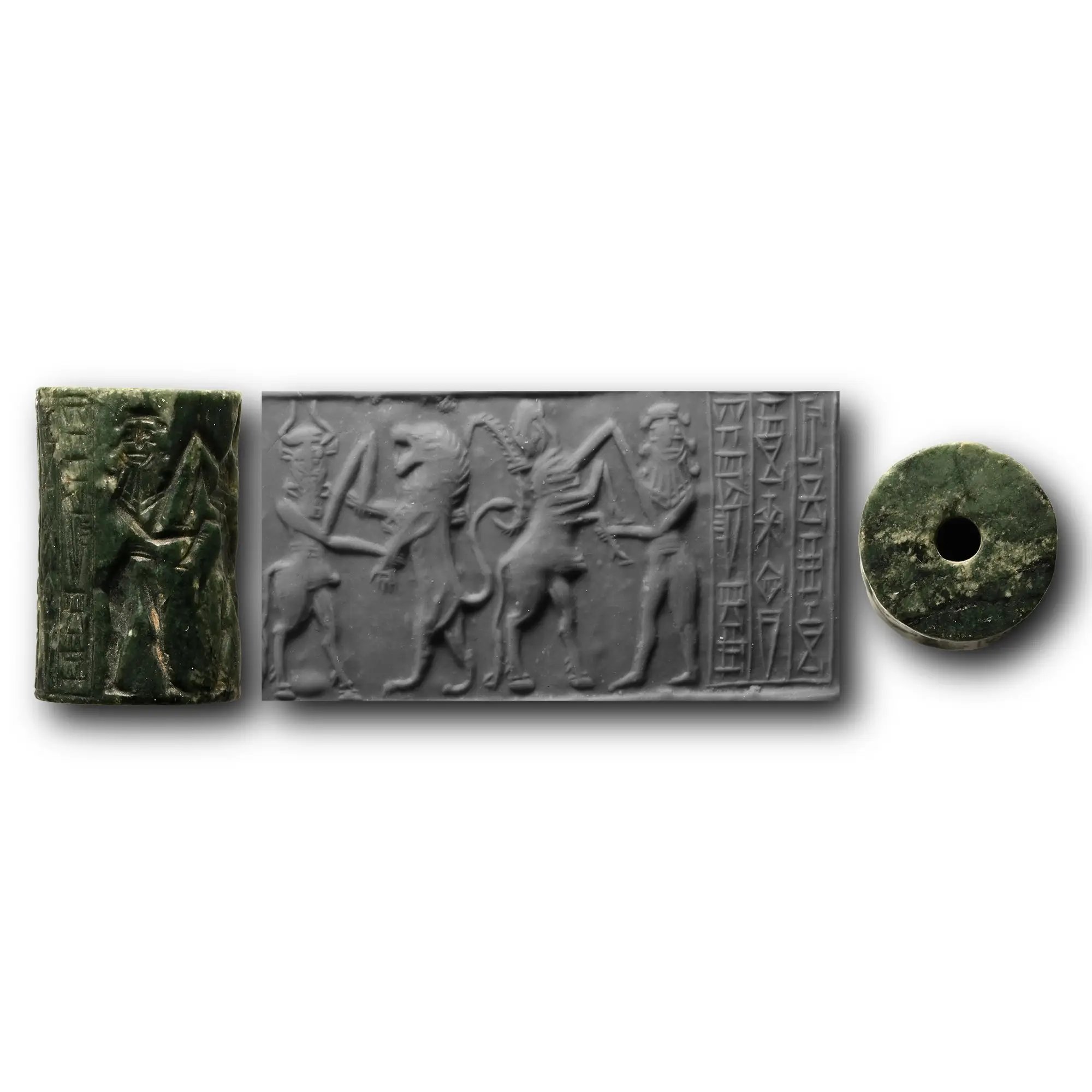
When we handle ancient Near Eastern cylinder seals, we are often looking at objects that served a practical commercial purpose. A merchant's seal was his signature; rolling it across a clay tablet or the clay sealing of a container guaranteed authenticity. The images carved on the seals reflected the owner's identity, religious devotion, or social aspirations. Some seals passed through many hands over the years, their ownership changing as fortunes rose and fell.
Beer, Bread, and the Rhythm of Days
Beer was ubiquitous in ancient Mesopotamia. It was safer than water, nourishing, and central to social life. Workers received it as part of their daily rations. Temples brewed it for rituals. Friends gathered around large pots of it, drinking through long straws to avoid the sediment.
Mesopotamian beer was nothing like its modern equivalents. It was brewed without hops but with various aromatic herbs, and sometimes sweetened with date syrup. The alcohol content varied; some beers were low enough for daily consumption, while others were strong enough to cause the drunkenness that several Sumerian literary texts describe with vivid disapproval.
Cylinder seal impressions from the Early Dynastic period show convivial scenes: groups of people seated around a large jar, straws in hand, enjoying each other's company. The image appears again and again, suggesting that this was not just a way of drinking but a ritual of friendship and hospitality.
The infrastructure required to produce beer was substantial. Fields had to be cultivated to grow barley. The barley had to be malted, a process that involved soaking the grain, allowing it to sprout, and then drying it. The malt had to be stored, distributed, brewed, and served. All of this required organisation, labour, and record-keeping.
Kushim, the warehouse administrator from Uruk, was part of this system. So were the countless workers who cultivated fields, transported grain, and tended the brewing operations. The temples employed professional brewers, both men and women. The goddess Ninkasi received hymns praising her for teaching humanity this essential art.
Bread was the other staple. The two were often mentioned together in ration lists, paired as the irreducible minimum a worker needed to survive. "Bread and beer" was shorthand for sustenance itself.
The preservation of food-related objects from ancient Mesopotamia is rare, given the organic materials involved. But ceramic drinking vessels, strainers, storage jars, and grinding stones all survive in abundance. When we catalogue ancient pottery, we are often looking at the equipment of daily meals, objects that were handled every day by people who thought about them no more than we think about our own dishes.
The Deportees of Lachish
In 701 BCE, the Assyrian king Sennacherib launched a devastating campaign against the kingdom of Judah. His target was the city of Jerusalem, but before reaching it, his army besieged and conquered the fortified city of Lachish.
The siege was a massive engineering project. The Assyrians constructed a huge ramp against the city wall, using between 13,000 and 19,000 tons of stone topped with mortar to allow soldiers and wheeled siege machines to approach the fortifications. The defenders fought back with arrows, rocks, and flaming torches, but the city eventually fell.
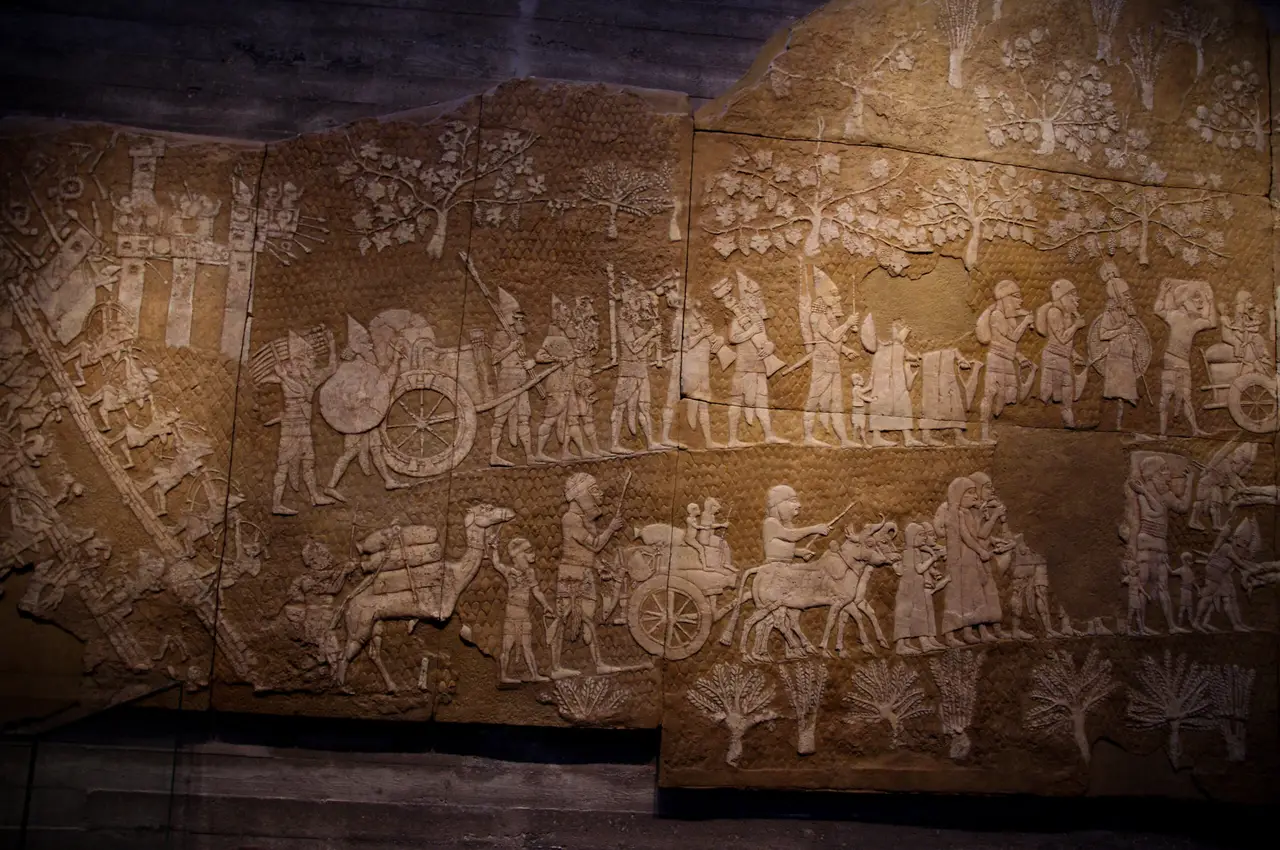
Sennacherib commemorated his victory with elaborate relief sculptures that lined the walls of his palace at Nineveh. The reliefs depicted the siege in graphic detail: the ramp, the siege machines, the defenders on the walls, and the aftermath.
In those scenes of aftermath, we see the people of Lachish walking into exile. Families trudge past the end of the siege ramp, carrying bags of possessions. A small child reaches up to take his father's hand, but the man is using both hands to manage a heavy sack across his shoulders. A woman sits atop a wagon loaded with family possessions, one child behind her with arms around her waist, another on her lap, face pressed close to her mother's as though about to kiss her.
These images were carved as propaganda, meant to glorify Assyrian power and terrify potential enemies. But they preserve something the Assyrians did not intend: the humanity of the defeated. The sculptors, working from observation or convention, captured gestures of family intimacy amid catastrophe. The child seeking comfort. The mother holding her children close. The father unable to reach down.
Scholars estimate that as many as 4.5 million people may have been deported across the Neo-Assyrian Empire during its height. The roads and rivers would have been packed with families and livestock on the move, people severed from their land, their traditions, their ancestors. Many of these deportees simply disappeared from history, absorbed into new lands where they were resettled by the Assyrian administration.
The biblical text of 2 Kings confirms the siege of Judean cities, though it focuses primarily on the miraculous survival of Jerusalem. The archaeological excavations at Lachish have revealed the immense siege ramp that Sennacherib's artists depicted, along with hundreds of iron arrowheads, slingstones, and the remains of perhaps 1,500 people in a mass burial nearby.
When we examine Assyrian artefacts at TimeLine, whether relief fragments, cuneiform tablets, or smaller objects, we are touching a world of extraordinary power and extraordinary violence. The same empire that produced such refined art also produced mass deportations on a scale that would not be seen again for millennia.
What the Clay Remembers
The Mesopotamians did not expect to be remembered by people like us. They built for their gods, recorded for their administrators, and wrote letters to be read and then discarded. The survival of their documents is an accident of material: clay is nearly indestructible, and the dry climate of Iraq preserved what the wet climate of northern Europe would have dissolved.
This means that when we read their words, we are eavesdropping on conversations never intended for our ears. Nanni's complaint to Ea-nasir was meant to be read, acknowledged, and perhaps answered. It was not meant to be studied four thousand years later by scholars and collectors. The naditum priestesses who managed their investments did not imagine their contracts would be published in academic journals. The weavers who produced textiles for the palace had no sense that their names would survive when everything else about them was forgotten.
And yet, there is something right about the survival. These people lived full lives, complicated lives, lives filled with ambition and frustration and love and annoyance. They deserve to be remembered, even if they never expected it.
The objects that survive from their world, the cylinder seals and the jewellery and the pottery and the tablets, are their legacy. When we hold them in our hands, we are holding the material evidence of lives lived across an unimaginable span of time.
At TimeLine Auctions, we take seriously the privilege of handling such objects. Every seal that passes through our cataloguing room once belonged to a merchant or official who pressed it into clay to authorise transactions. Every pottery vessel once held the food or drink that sustained a household. Every cuneiform tablet once recorded something that mattered to someone.
These are not museum pieces in the usual sense. They are fragments of lived experience, made tangible and accessible. The ancient Near East is not locked away behind glass; it is available to anyone willing to look closely, to learn the stories, and to hold history in their hands.
[Browse our current catalogue to discover objects from this extraordinary civilisation. Each piece carries its own story, waiting to be continued by its next custodian.]
A Final Image
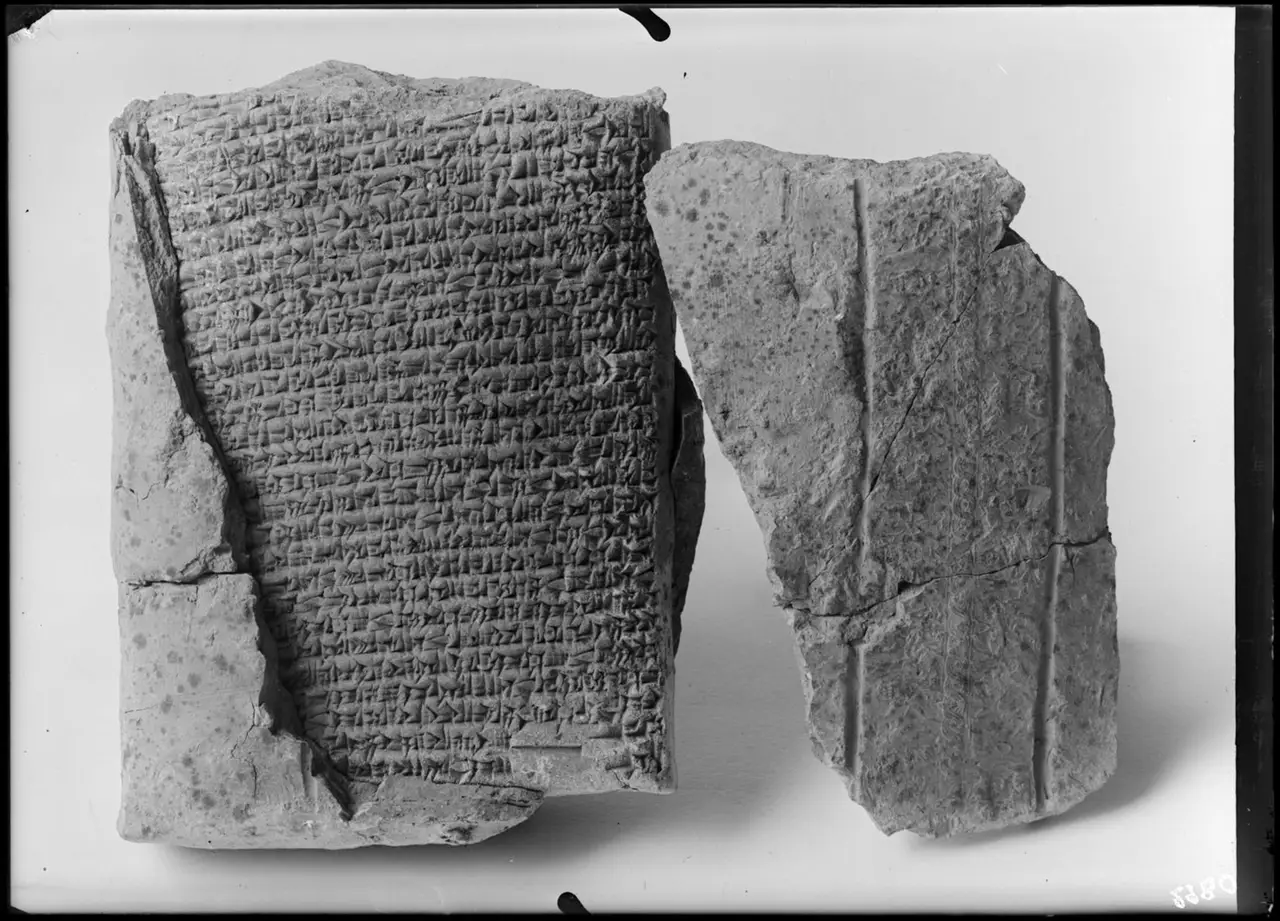
In the palace archives at Mari, archaeologists found a small tablet recording the jewellery entrusted by Queen Beltani to her friend Bazatum, the musician who had married a powerful official and moved to the countryside.
We do not know what was in the jewellery box. We do not know why Beltani chose Bazatum to safeguard it, except that they had known each other since childhood, since the days when they played music together in the palace. We do not know how often they saw each other after Bazatum's marriage, or whether Bazatum ever returned the box, or what happened to either woman in the end.
All we know is that at some moment in the eighteenth century BCE, a queen thought of her old friend and decided to trust her with something precious. The scribe recorded the transaction in a few lines of cuneiform. The tablet was filed in the archives. The palace fell. The city was abandoned. The tablet lay buried for nearly four thousand years.
And here we are, reading it.
The objects from the ancient Near East that survive, in museums and private collections around the world, each carry this quality. They are fragments of moments, preserved by accident, speaking across time to anyone who will listen. The clay remembers what the people who shaped it have long since forgotten. It remembers Kushim counting barley, Zum weaving cloth, Bazatum playing music in the Palm Court.
It remembers Nanni, furious with Ea-nasir, pressing his stylus into the damp surface with all the irritation of a man who just wants his copper delivered.
It remembers.
TimeLine Auctions, 16th March 2026